Professionals working in a modern office in Bosnia and Herzegovina

Employment Opportunities in Bosnia and Herzegovina: Sectors, Skills and Job Search Guide

Bosnia and Herzegovina offers employment opportunities across a surprisingly diverse economy. Although salaries are generally lower than in Western Europe, the country has a skilled workforce, competitive operating costs and growing demand for qualified employees in industries such as information technology, manufacturing, construction, tourism, healthcare and business services.

The employment market varies considerably between cities and regions. Sarajevo has the largest concentration of corporate, administrative and international jobs, while Banja Luka is an important centre for technology, finance and manufacturing. Tuzla and Zenica retain strong industrial traditions, and Mostar and other parts of Herzegovina offer opportunities connected with tourism, construction, agriculture and trade.

For local professionals, members of the diaspora considering a return and foreign nationals interested in working in Southeast Europe, understanding these regional and sectoral differences is the first step towards finding suitable employment.
Professionals working in a modern office in Bosnia and Herzegovina

The Labour Market in Bosnia and Herzegovina

The labour market combines traditional industries with a growing number of technology-based and internationally oriented companies. Small and medium-sized enterprises are particularly important, while public institutions and large industrial employers also provide a significant share of formal employment.

According to the Agency for Statistics of Bosnia and Herzegovina, the average monthly net wage in the country was BAM 1,570 in 2025. In June 2026, the reported average reached BAM 1,706. Actual earnings, however, vary greatly according to profession, experience, location and employer.

Specialists in software development, engineering, finance, medicine and senior management can earn considerably more than the national average. Salaries in retail, hospitality, basic administration and certain labour-intensive industries are usually lower.

Candidates should remember that an advertised salary may be presented as either a net or gross amount. Before accepting an offer, it is important to confirm the take-home salary, taxes, social contributions and any additional benefits.

Information Technology and Digital Services

Information technology is one of the most internationally connected areas of the Bosnian economy. Software companies, outsourcing providers and independent development teams serve clients throughout Europe and North America.

Employment opportunities include:

  • Software and web development
  • Mobile application development
  • Quality assurance and software testing
  • Cybersecurity
  • Cloud and systems administration
  • Data analysis
  • UI and UX design
  • Technical support
  • Digital marketing
  • Project and product management

Sarajevo, Banja Luka, Mostar and Tuzla are the main technology centres, although remote work allows professionals to live in smaller communities.

English is usually essential for positions involving international customers. Knowledge of German can also be a major advantage because many local companies cooperate with employers and clients from German-speaking markets.

Manufacturing and Engineering

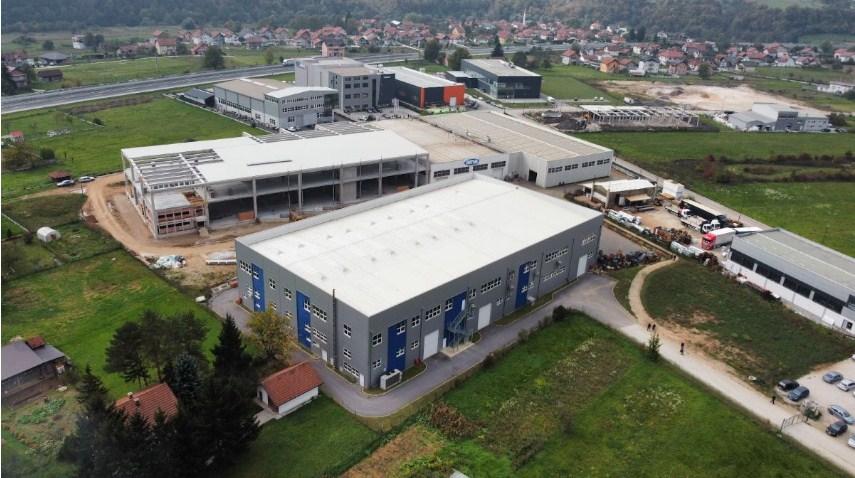
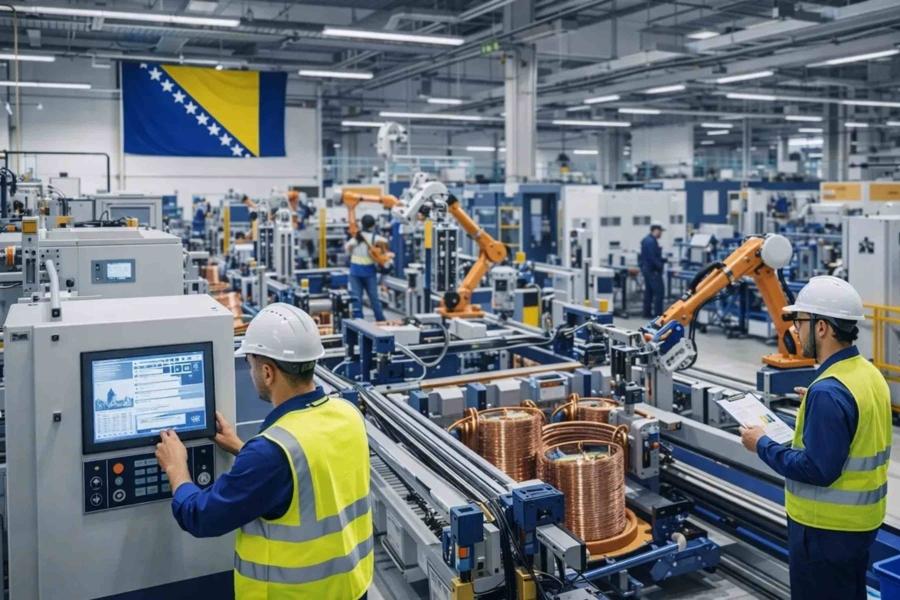
Bosnia and Herzegovina has a long industrial tradition and an established workforce in metal processing, automotive components, machinery, electrical equipment, wood processing and furniture production.

Factories frequently need:

  • Mechanical and electrical engineers
  • CNC machine operators
  • Welders and metalworkers
  • Electricians and maintenance technicians
  • Production supervisors
  • Quality-control specialists
  • Logistics coordinators
  • Machine operators
  • Occupational safety professionals

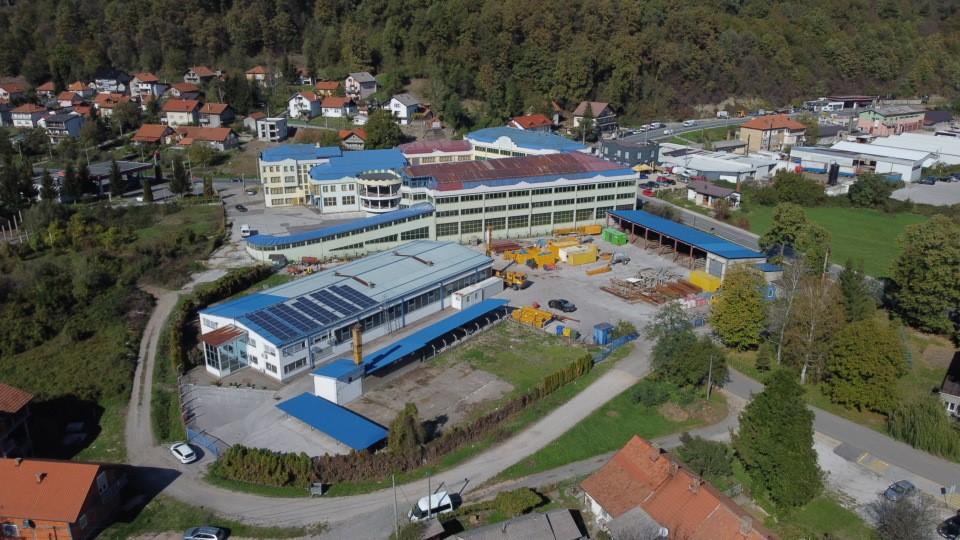
Industrial employment is particularly important around Sarajevo, Zenica, Tuzla, Tešanj, Gračanica, Gradačac, Goražde, Prijedor, Banja Luka and other established production centres.

Technical education, practical experience and the ability to read plans or operate specialised equipment can significantly improve a candidate’s prospects.

Construction and Skilled Trades

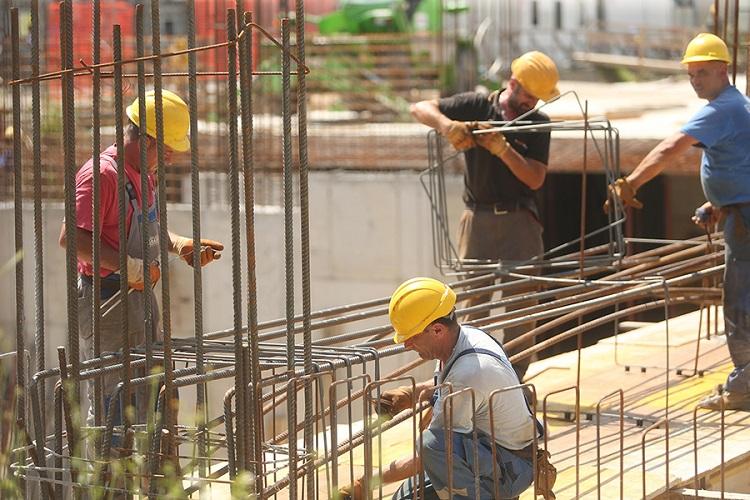
Construction activity creates demand for both engineers and skilled workers. Residential buildings, commercial developments, roads, energy facilities and tourism projects support employment throughout the country.

Commonly requested occupations include:

  • Civil engineers
  • Architects
  • Surveyors
  • Site managers
  • Electricians
  • Plumbers
  • Carpenters
  • Bricklayers
  • Steel fixers
  • Heating and air-conditioning technicians
  • Heavy-equipment operators

Experienced tradespeople can be difficult for employers to find, partly because many qualified workers have moved abroad. This gives reliable candidates with recognised skills and documented experience a stronger negotiating position.

Construction work can involve travel, seasonal fluctuations and extended working hours. Candidates should therefore clarify transport, accommodation, overtime payments and safety equipment before signing a contract.

Tourism and Hospitality

Bosnia and Herzegovina’s mountains, rivers, historic cities, religious heritage and cultural diversity support an expanding tourism industry.

Sarajevo and Mostar have year-round demand, while ski resorts such as Jahorina, Bjelašnica and Vlašić offer winter employment. Una National Park, Međugorje and rafting destinations generate additional seasonal opportunities.

Typical positions include:

  • Hotel receptionists
  • Waiters and bartenders
  • Chefs and kitchen assistants
  • Housekeeping staff
  • Tour guides
  • Drivers
  • Travel consultants
  • Event coordinators
  • Outdoor activity instructors
  • Hotel sales and marketing professionals

Language skills are especially valuable in this sector. In addition to Bosnian, Croatian or Serbian, employers may seek candidates who speak English, German, Italian, Turkish or Arabic.

Seasonal workers should request a written agreement specifying salary, working hours, days off, accommodation, meals and transport.

Healthcare and Social Services

Hospitals, clinics, pharmacies, care facilities and private medical practices need qualified healthcare professionals. Demand can be especially noticeable for experienced doctors, nurses, pharmacists, laboratory technicians, radiology specialists and caregivers.

Healthcare is a regulated field. Candidates educated abroad may need formal recognition of their qualifications, certified translations, professional examinations or registration with the relevant chamber.

Procedures may differ between the Federation of Bosnia and Herzegovina, Republika Srpska and Brčko District. Applicants should contact the relevant educational, healthcare and professional authorities before making relocation plans.

Business Services, Finance and Administration

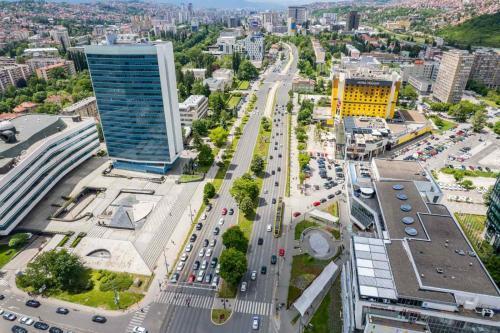
Sarajevo has the widest selection of jobs in banking, insurance, accounting, consulting, telecommunications and international organisations. Opportunities are also available in Banja Luka, Mostar, Tuzla and other regional centres.

Employers recruit:

  • Accountants and auditors
  • Financial analysts
  • Sales representatives
  • Customer-support agents
  • Human resources professionals
  • Procurement specialists
  • Office administrators
  • Legal advisers
  • Marketing professionals
  • Project coordinators

International companies and service centres often value strong English or German skills. Familiarity with accounting software, customer relationship management platforms, data tools and international business standards can provide an additional advantage.

Agriculture and Food Production

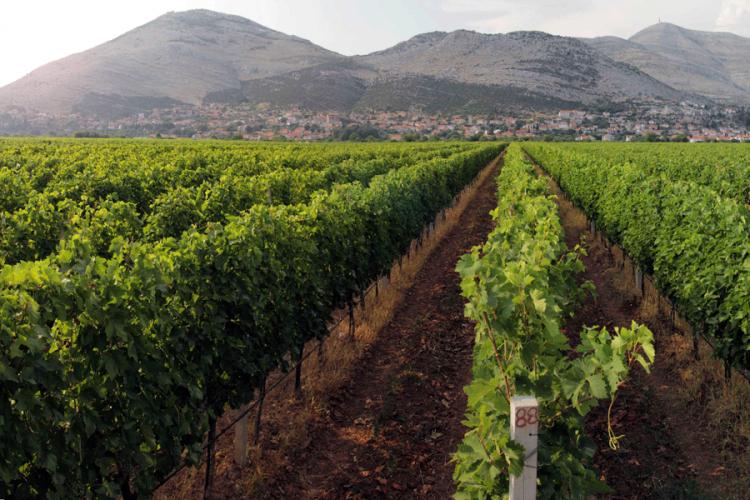
Bosnia and Herzegovina has favourable conditions for fruit cultivation, vegetables, livestock farming, dairy production, beekeeping, wine and medicinal plants.

Employment and entrepreneurial opportunities exist in:

  • Primary agricultural production
  • Food processing
  • Packaging and quality control
  • Cold storage and distribution
  • Veterinary services
  • Agricultural technology
  • Organic production
  • Export and wholesale trade

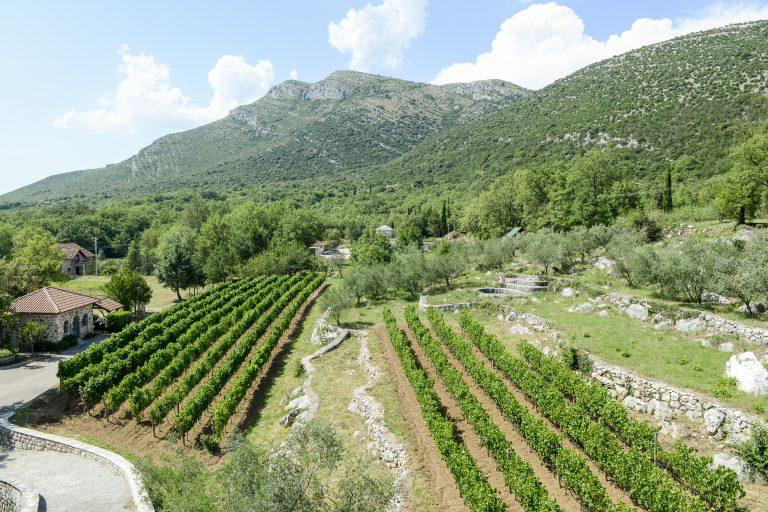
Herzegovina is known for Mediterranean crops and wine production, while northern and central regions have strong potential in fruit, grain, dairy and meat production.

People with agricultural experience can also explore cooperatives, family businesses and small-scale processing rather than relying exclusively on conventional employment.

Transport, Logistics and Retail

The country’s position between Central Europe, the Adriatic region and the wider Balkans supports transport and distribution activities.

Truck drivers, warehouse employees, dispatchers, customs specialists, mechanics and supply-chain coordinators may find opportunities with domestic and international companies.

Retail remains a major source of employment, especially in cities and shopping centres. Available positions range from sales and warehouse work to purchasing, merchandising, branch management and e-commerce.

Driving and logistics positions may require specific licence categories, professional certificates and knowledge of international transport regulations.

Employment Opportunities by Region

Sarajevo

Sarajevo offers the broadest range of employment, including IT, telecommunications, finance, tourism, public administration, media, education and work with international organisations.

Banja Luka

Banja Luka is an important centre for technology, finance, retail, public services, construction and manufacturing. It also has an active entrepreneurial and start-up community.

Tuzla

Tuzla and the surrounding area offer opportunities in manufacturing, energy, healthcare, education, logistics and food production.

Zenica and Central Bosnia

Zenica has strong links with metalworking, construction and heavy industry. Other Central Bosnian communities provide employment in manufacturing, forestry, furniture production and tourism.

Mostar and Herzegovina

Mostar offers jobs in tourism, hospitality, trade, administration and education. The wider Herzegovina region also has opportunities in agriculture, wine production, construction and renewable energy.

Brčko District and Northern Bosnia

Brčko’s location makes it relevant for logistics, wholesale trade, agriculture and food processing. Other northern communities have important manufacturing and distribution businesses.

Remote Work and Self-Employment

Remote employment has created new possibilities for programmers, designers, translators, accountants, consultants, marketers and customer-support professionals.

The country’s relatively affordable living costs can make it an attractive base for people earning income from international clients. However, remote workers and freelancers still need to understand local rules concerning business registration, taxation, social contributions and residence.

Entrepreneurs can operate through several legal structures, but registration and tax rules are not identical across all parts of the country. Professional accounting and legal advice is recommended before establishing a company or independent activity.

Working in Bosnia and Herzegovina as a Foreigner

Foreign nationals normally need an appropriate legal basis for employment and temporary residence. Depending on the circumstances, this may involve a work permit issued through the competent employment authority and a residence application handled by the Service for Foreigners’ Affairs.

The procedure can depend on the worker’s citizenship, profession, employer and intended place of work. Certain exemptions may apply, but they should never be assumed.

A prospective foreign worker should:

  1. Obtain a detailed written offer from a registered employer.
  2. Confirm which authority is responsible for the work permit.
  3. Ask who will prepare and pay for the required documents.
  4. Check residence requirements with the Service for Foreigners’ Affairs.
  5. Verify whether a diploma or professional licence must be recognised.
  6. Avoid beginning work before the required approvals become valid.

Immigration and employment rules can change. Applicants should confirm the current procedure directly with the competent authorities before travelling or accepting employment.

How to Find a Job

Candidates can search through commercial employment portals, company career pages, LinkedIn, recruitment agencies and the relevant public employment services.

Networking remains important. Professional associations, conferences, job fairs, university career centres and recommendations from former colleagues can reveal opportunities that are not widely advertised.

A strong application should include:

  • A concise and clearly structured CV
  • Relevant qualifications and certificates
  • A summary of technical and language skills
  • Measurable professional achievements
  • References, when requested
  • A portfolio for creative or technical professions

Applications should normally be prepared in Bosnian, Croatian or Serbian unless the vacancy is advertised in English or another language.

Evaluating an Employment Offer

Before accepting a position, candidates should verify:

  • The employer’s registered name and address
  • Whether the salary is gross or net
  • Working hours and overtime rules
  • The probation period
  • Annual leave and days off
  • Social and health insurance registration
  • Transport, meals or accommodation
  • Contract duration and termination conditions

Job seekers should be cautious if someone requests a large advance payment, refuses to provide a written contract or uses a personal account to collect unexplained recruitment fees.

Building a Successful Career

Formal education remains valuable, but employers increasingly look for practical skills, reliability, communication ability and evidence that a candidate can solve real problems.

Technical certificates, digital skills, foreign languages and continuous training can improve employability. Internships and entry-level positions can also help younger candidates build experience and professional contacts.

The best opportunities often go to applicants who combine specialised knowledge with flexibility and the ability to work with international customers, technologies and standards.

Conclusion

Bosnia and Herzegovina’s labour market presents both opportunities and challenges. Competition remains strong in some administrative professions, while employers in technology, engineering, manufacturing, construction, healthcare and skilled trades can struggle to find suitable candidates.

Sarajevo provides the widest variety of professional jobs, but regional industrial centres and tourism destinations should not be overlooked. Remote work and entrepreneurship further expand the possibilities available to skilled professionals.

Successful job seekers should research the employer, compare salary and living costs, verify the legal requirements and insist on transparent employment conditions. With the right skills and a realistic understanding of the local market, Bosnia and Herzegovina can offer valuable opportunities for employment, professional development and business creation.

Disclaimer: This article provides general information and does not constitute legal, immigration, tax or employment advice. Requirements should be verified with the competent authorities or a qualified professional.

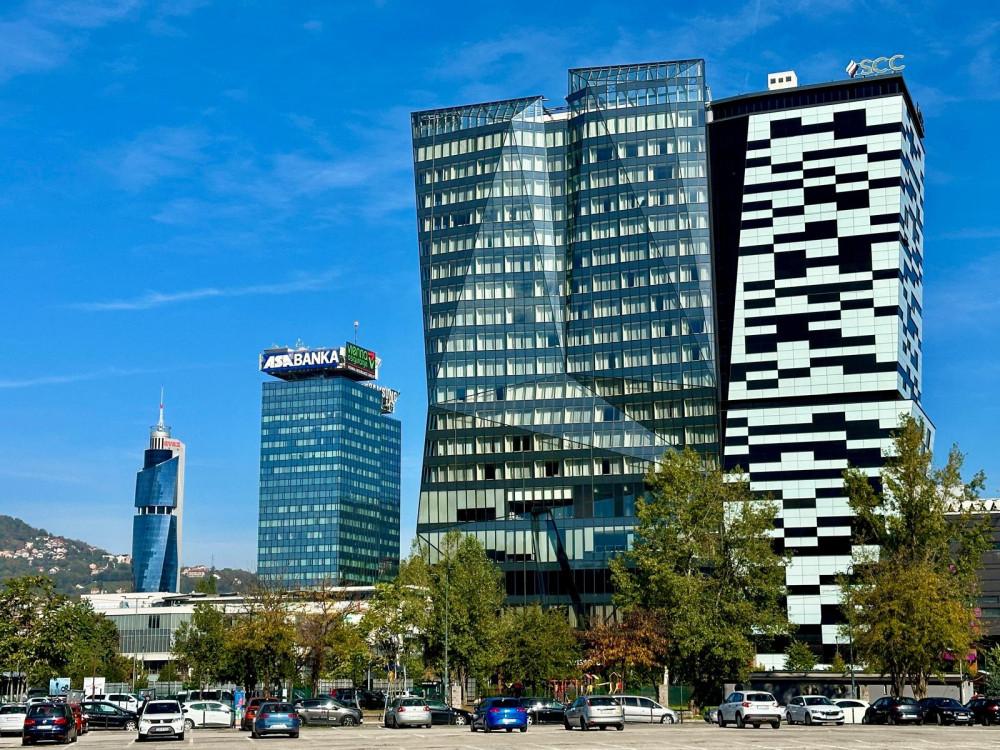
Modern business district and commercial buildings in Sarajevo

The Economic Potential of Bosnia and Herzegovina: Industries, Investment and Opportunities for Growth

Bosnia and Herzegovina has significant economic potential based on its industrial tradition, skilled workforce, natural resources, geographic position and access to regional and European markets.

The country has established capabilities in metal processing, automotive components, wood and furniture production, energy, agriculture, food processing, tourism and information technology. At the same time, growing interest in renewable energy, digital services and sustainable manufacturing is creating opportunities for economic diversification.

Bosnia and Herzegovina still faces structural and administrative challenges, but better infrastructure, investment, education and cooperation between institutions and businesses could unlock considerably stronger development.

A Strategic Position in Southeast Europe

Bosnia and Herzegovina is located between Central Europe, the Adriatic region and the markets of the Western Balkans. It borders Croatia, an EU member state, as well as Serbia and Montenegro.

This position gives companies access to important transport corridors and nearby consumer markets. Road connections lead towards Zagreb, Belgrade, the Adriatic ports and wider European logistics networks.

The country participates in the Central European Free Trade Agreement, which supports trade in goods and services across the region. Preferential trade arrangements and economic links with the European Union provide additional opportunities for export-oriented companies.

Bosnia and Herzegovina’s currency, the convertible mark, is fixed to the euro through a currency-board arrangement. This provides exchange-rate stability for businesses trading with European partners.

Manufacturing and Industrial Experience

Manufacturing is one of the strongest foundations of the economy.

The country inherited considerable industrial knowledge in engineering, metalworking, machinery, energy equipment, construction materials, chemicals, textiles and wood processing. Although parts of this capacity declined during the economic transition, many domestic companies successfully entered European supply chains.

Small and medium-sized manufacturers can often offer flexibility, specialised production and competitive operating costs.

Future development should focus on moving from basic subcontracting towards higher-value products, engineering services, original design and proprietary technology.

Metal Processing

The metal-processing sector is one of Bosnia and Herzegovina’s most established export-oriented industries.

Companies manufacture:

  • Automotive components
  • Metal structures
  • Tools and machinery
  • Aluminium and steel products
  • Electrical equipment
  • Industrial components
  • Construction systems
  • Furniture hardware
  • Defence-related products
  • Custom-engineered parts

The country’s tradition in mining, metallurgy and mechanical engineering provides a base of practical knowledge and trained workers.

Further growth can come from modern machinery, automation, quality certification and closer cooperation between manufacturers, technical schools and universities.

Instead of exporting mainly raw materials or simple components, companies can create greater value by developing finished products and providing engineering, installation and maintenance services.

Automotive Supply Industry

Bosnia and Herzegovina has become part of the European automotive supply chain.

Domestic companies and foreign-owned manufacturers produce components such as metal parts, wiring systems, filters, interior elements, plastic products, precision components and specialised tools.

The country’s proximity to vehicle manufacturers and suppliers in Central Europe creates opportunities for just-in-time production and regional logistics.

The transition towards electric vehicles will require suppliers to adapt. Businesses capable of producing lightweight materials, electronic components, battery-system parts and precision-engineered products may benefit from new demand.

Quality control, reliable delivery and international certification remain essential for success in this industry.

Wood Processing and Furniture

Forests are among the country’s most valuable natural resources, and Bosnia and Herzegovina has a long tradition of wood processing and furniture production.

Companies manufacture solid-wood furniture, upholstered products, doors, windows, flooring, panels and construction elements. Many businesses already export to European markets.

The greatest opportunity is to create more value locally. Exporting finished furniture, branded products and custom interior solutions generates more income than exporting logs or minimally processed timber.

Sustainable forest management and certification are important for long-term competitiveness. International buyers increasingly require proof that wood comes from legally and responsibly managed sources.

Design, digital sales and stronger branding could help domestic furniture producers move into higher-value market segments.

Energy Resources and Renewable Power

Bosnia and Herzegovina has traditionally relied on coal and hydropower for electricity generation.

Coal remains important for energy production and employment, but ageing facilities, air pollution and climate obligations make gradual transition necessary.

The country has substantial opportunities in:

  • Hydropower
  • Solar energy
  • Wind energy
  • Biomass
  • Energy efficiency
  • District-heating modernisation
  • Electricity networks
  • Building renovation

Herzegovina has favourable solar conditions, while exposed mountain areas offer wind potential.

Renewable-energy investment can improve energy security and create employment in engineering, construction and maintenance. Projects must nevertheless respect rivers, forests, agricultural land and local communities.

Energy efficiency may provide some of the fastest economic benefits. Renovating homes, public buildings and industrial facilities can reduce energy consumption while supporting construction companies and skilled trades.

Agriculture and Food Processing

Bosnia and Herzegovina has diverse agricultural conditions, ranging from fertile northern plains to mountain pastures and the Mediterranean climate of Herzegovina.

Important activities include:

  • Grain and vegetable production
  • Fruit growing
  • Dairy farming
  • Cattle, sheep and poultry production
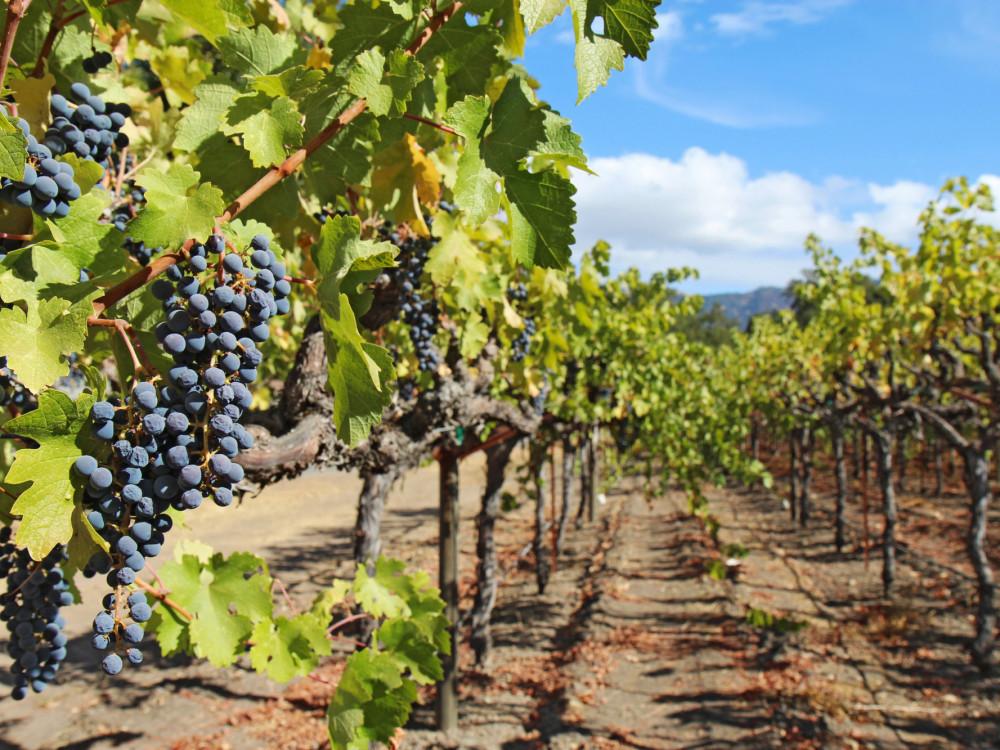
  • Viticulture and winemaking
  • Beekeeping
  • Medicinal and aromatic plants
  • Fish farming
  • Organic agriculture

The country produces plums, apples, pears, berries, vegetables, milk, meat and traditional food products.

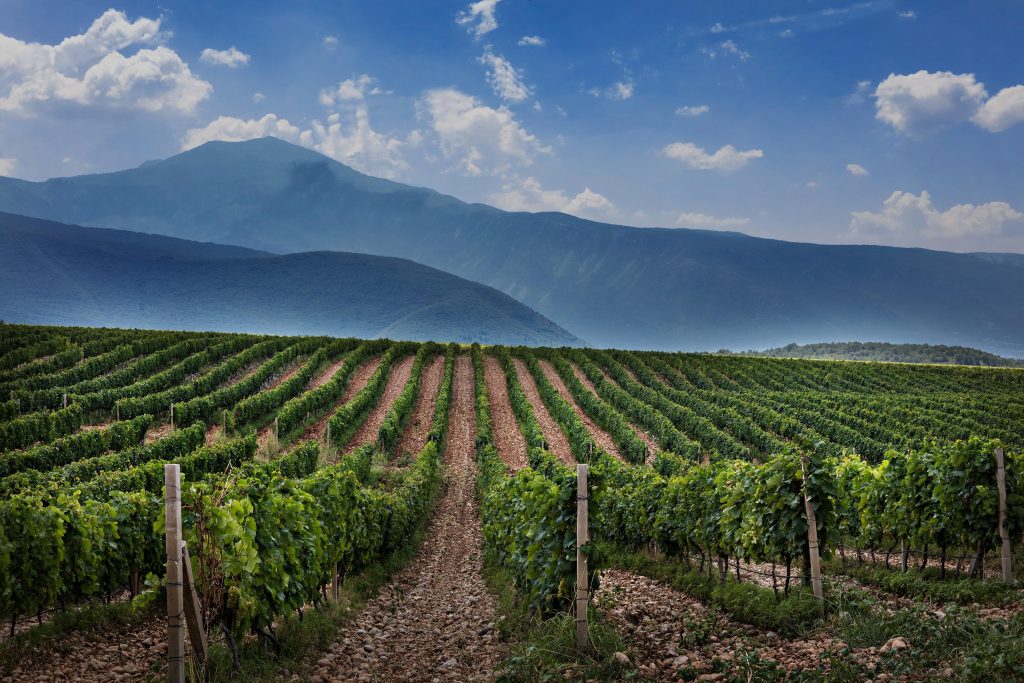
Herzegovina is particularly suitable for grapes, wine, herbs and Mediterranean crops. Local varieties such as Žilavka and Blatina provide opportunities for distinctive regional branding.

The greatest potential lies in processing agricultural products rather than exporting them in raw form. Modern cold storage, packaging, certification and food-safety systems can increase shelf life, quality and export value.

Traditional cheeses, cured meats, honey, preserves and beverages could reach premium markets through protected origin, consistent quality and professional marketing.

Tourism and Hospitality

Tourism is one of the country’s most promising service industries.

Sarajevo and Mostar attract international visitors, while Una and Sutjeska national parks, the mountains around Sarajevo, Međugorje, Trebinje, Jajce, Travnik, Banja Luka and the Neum coastline broaden the offer.

Growth opportunities include:

  • Cultural tourism
  • Adventure travel
  • Winter tourism
  • Rural accommodation
  • Wellness and spa services
  • Religious tourism
  • Gastronomy and wine routes
  • Conferences and business events
  • Eco-tourism
  • Regional travel packages

Tourism can stimulate many related businesses, including transport, food production, construction, property management and creative services.

Longer stays and better connections between destinations would increase the economic value of each visitor. Development should preserve historic towns, rivers and natural landscapes rather than weakening the assets that attract travellers.

Information Technology and Business Services

The technology sector has become an important source of skilled employment and export revenue.

Bosnia and Herzegovina has software developers, engineers, designers and digital professionals working for domestic companies, international employers and foreign clients.

Opportunities include:

  • Software development
  • Cybersecurity
  • Data analysis
  • Cloud services
  • Digital marketing
  • Graphic and product design
  • Customer support
  • Financial technology
  • E-commerce
  • Business-process outsourcing

Relatively small technology companies can reach global markets without large physical infrastructure. This makes digital services especially valuable for a country with limited domestic demand.

The principal challenge is retaining skilled workers. Competitive salaries, modern management, stronger universities and better links between education and business are necessary to reduce the loss of talent.

Construction and Real Estate

Housing, commercial development, tourism projects and public infrastructure support demand for construction services.

The sector creates opportunities for architects, engineers, tradespeople, material producers and equipment suppliers.

Energy-efficient renovation represents a particularly important market. Much of the existing building stock could benefit from insulation, modern windows, efficient heating and renewable-energy systems.

Real estate can attract investment, but growth should follow transparent planning rules. Uncontrolled construction can overload infrastructure and reduce the environmental and cultural value of a destination.

Transport and Logistics

Improved transport infrastructure is essential for economic growth.

Road and railway modernisation can reduce delivery times, connect industrial centres and improve access to European markets. More efficient border procedures would also help exporters.

Airports in Sarajevo, Banja Luka, Tuzla and Mostar support tourism, passenger mobility and selected cargo opportunities.

The country’s short coastline at Neum does not provide a major commercial port, so businesses depend heavily on road and rail access to regional ports.

Logistics centres, warehousing, cold-storage facilities and digital customs services could strengthen Bosnia and Herzegovina’s position within regional supply chains.

Small and Medium-Sized Enterprises

Small and medium-sized enterprises are central to employment and local development.

They operate across manufacturing, retail, tourism, construction, transport, agriculture and professional services. Many are family businesses with strong technical knowledge but limited access to finance, export markets and modern technology.

Support for digitalisation, quality standards, employee training and international promotion can improve their competitiveness.

Cooperation between smaller companies can also help them fulfil larger orders and enter complex supply chains.

Foreign Investment Opportunities

The Foreign Investment Promotion Agency identifies manufacturing, energy, information technology, tourism, agriculture, metal processing and infrastructure among the country’s principal investment sectors.

Foreign investment can provide:

  • Capital
  • Modern technology
  • Access to new markets
  • Management knowledge
  • Professional training
  • Integration into international supply chains

Production equipment that meets applicable conditions may qualify for exemptions from import duties, according to investment rules presented by FIPA.

Investors should nevertheless examine the specific legal, tax, labour and administrative requirements in the jurisdiction where a project will operate. Bosnia and Herzegovina has several levels of government, and procedures can vary between locations.

Professional legal, accounting and technical due diligence is essential.

Trade and Export Potential

Bosnia and Herzegovina’s domestic market is relatively small, making exports particularly important.

The country exported goods valued at approximately KM 16.97 billion in 2025, while imports were substantially higher. This trade deficit demonstrates both a challenge and an opportunity to replace selected imports with competitive domestic production.

Established export categories include metals, machinery, electrical equipment, furniture, wood products, textiles, footwear and food products.

Greater export value can be achieved through:

  • More finished products
  • Original brands
  • International certification
  • Improved packaging
  • Digital sales
  • Research and development
  • Reliable logistics
  • Stronger market intelligence

Companies should compete on quality, flexibility and specialised knowledge rather than relying only on lower costs.

Workforce and Education

The country has a tradition of technical, engineering and vocational education. Its workforce includes skilled metalworkers, technicians, engineers, craftspeople, medical professionals and technology specialists.

However, emigration and demographic decline have created shortages in some occupations.

Businesses increasingly need welders, electricians, machinists, software developers, drivers, construction workers, healthcare professionals and hospitality employees.

Education programmes should respond more quickly to labour-market demand. Apprenticeships, practical training and cooperation between employers and schools can help young people acquire relevant skills.

Improved working conditions and clearer career opportunities are essential for retaining talent.

The Diaspora as an Economic Resource

The Bosnian and Herzegovinian diaspora represents a major development opportunity.

People living abroad contribute through remittances, but their potential extends much further. They possess capital, international networks, technical knowledge and access to foreign markets.

Diaspora entrepreneurs can invest in domestic companies, create export partnerships, mentor local founders and transfer professional standards.

More transparent investment procedures and better communication with diaspora communities could transform personal connections into long-term business development.

Challenges to Faster Growth

Bosnia and Herzegovina’s economic potential is constrained by several persistent problems:

  • Complex administration
  • Slow procedures
  • Legal uncertainty
  • Fragmented regulations
  • Political instability
  • Corruption risks
  • Weak transport infrastructure
  • Skills shortages
  • Emigration
  • Limited research and development
  • Environmental degradation
  • A large informal economy

These challenges increase costs and discourage investment.

Reforms that simplify procedures, strengthen the rule of law and improve transparency would benefit domestic entrepreneurs as much as foreign investors.

The Green and Digital Transition

The transition towards cleaner production and digital business models could become a major source of growth.

Manufacturers will need to reduce energy use and document the environmental impact of their products to remain competitive in European markets.

Solar power, energy-efficient buildings, recycling, waste management and cleaner transport can create new industries and jobs.

Digital public services can reduce administrative costs, while automation and modern software can improve industrial productivity.

Companies that adapt early will be better positioned as European environmental and supply-chain requirements become stricter.

A Strong Foundation for Future Development

Bosnia and Herzegovina has the resources required for a more dynamic economy: industrial experience, natural wealth, skilled people, competitive companies and access to regional markets.

Its greatest opportunities lie in adding more value to what it already produces.

Wood can become branded furniture. Agricultural products can become premium food. Metal can become specialised equipment. Natural landscapes can support sustainable tourism, while engineering talent can create digital products for global clients.

The country’s economic potential will not be realised through one industry alone. Growth will depend on connecting manufacturing, energy, agriculture, tourism, technology, education and infrastructure.

With consistent reforms, responsible investment and stronger support for productive businesses, Bosnia and Herzegovina can build a more competitive, sustainable and export-oriented economy.

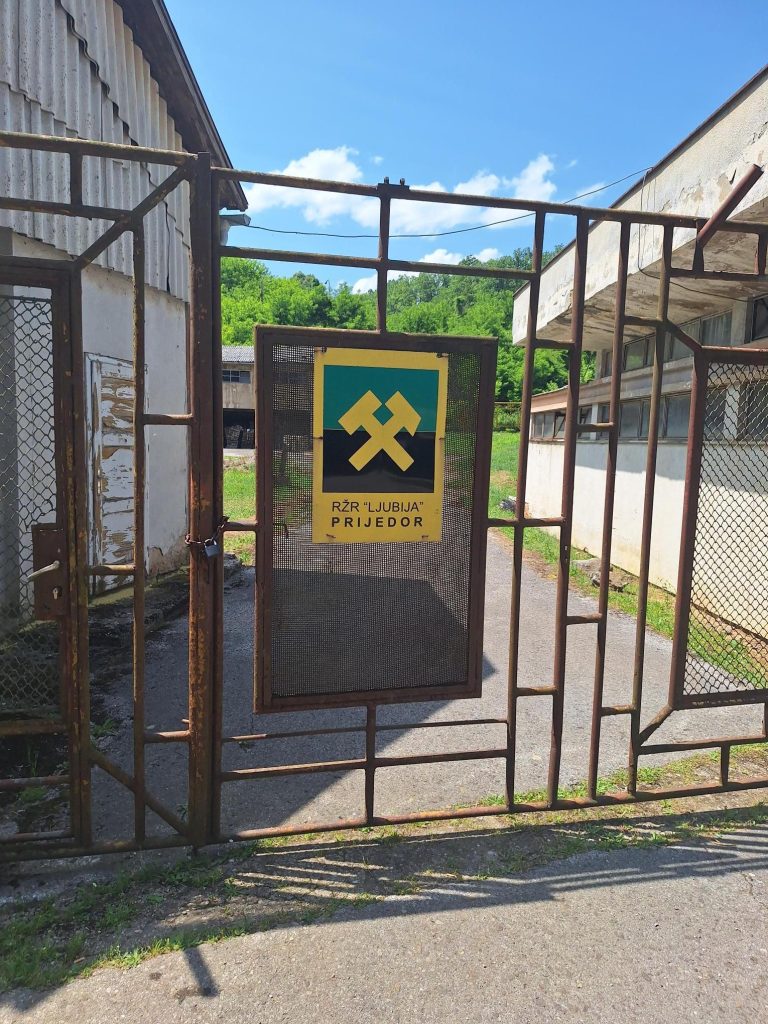
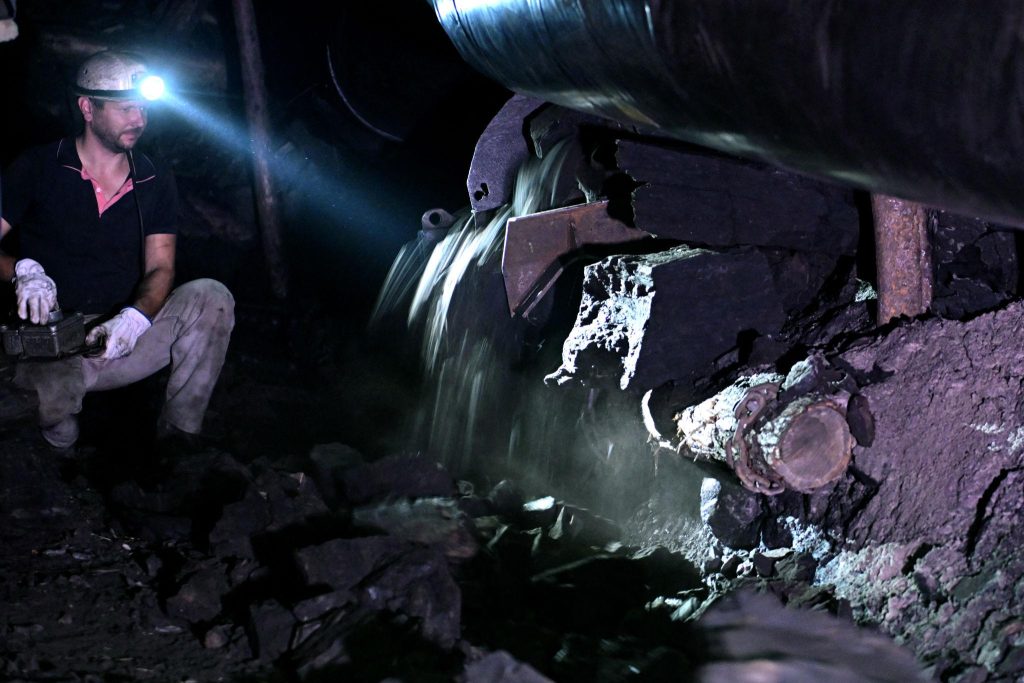
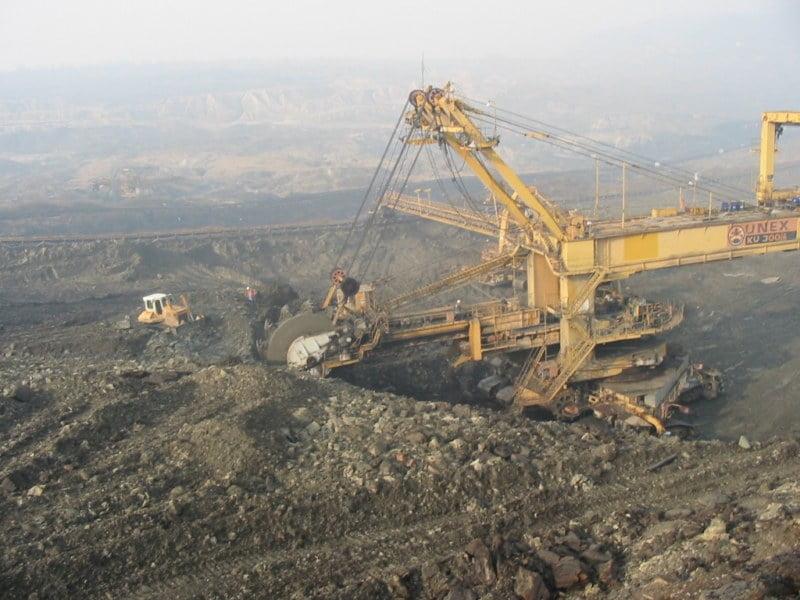
Open-pit iron-ore mine near Prijedor in Bosnia and Herzegovina

The Mineral Wealth of Bosnia and Herzegovina: Resources, Industry and Future Potential

Bosnia and Herzegovina has a long mining tradition supported by diverse geological formations and deposits of coal, iron ore, bauxite, lead, zinc, salt and various industrial minerals.

Mining contributed to the development of towns, railway networks, power generation, metal processing and manufacturing. Communities such as Tuzla, Zenica, Kakanj, Banovići, Prijedor, Gacko and Ugljevik have been closely connected with the extraction or processing of mineral resources.

According to the U.S. Geological Survey, minerals produced in Bosnia and Herzegovina in 2024 included coal, iron ore, bauxite, lead, zinc, silver, bentonite, gypsum, salt, kaolin, limestone, sand, gravel and construction stone.

These resources remain economically important, but their future must be considered alongside environmental standards, technological modernisation and the global transition towards cleaner energy and more responsible production.

A Long Tradition of Mining

Mining in the territory of modern Bosnia and Herzegovina dates back to ancient times. The Romans extracted metals, while medieval mining settlements became known for silver, lead, copper and iron production.

Saxon miners were invited to the medieval Bosnian state because of their specialised knowledge. Their work contributed to the development of mining centres, trade routes and local economies.

During the Austro-Hungarian period, mining and industrial production expanded significantly. New railways connected mines with processing facilities and external markets. Coal, iron and salt became particularly important for the country’s industrialisation.

Large mines and factories continued to develop during the twentieth century, when Bosnia and Herzegovina became an important centre of the former Yugoslav mining, metallurgical and energy industries.

Coal and Lignite

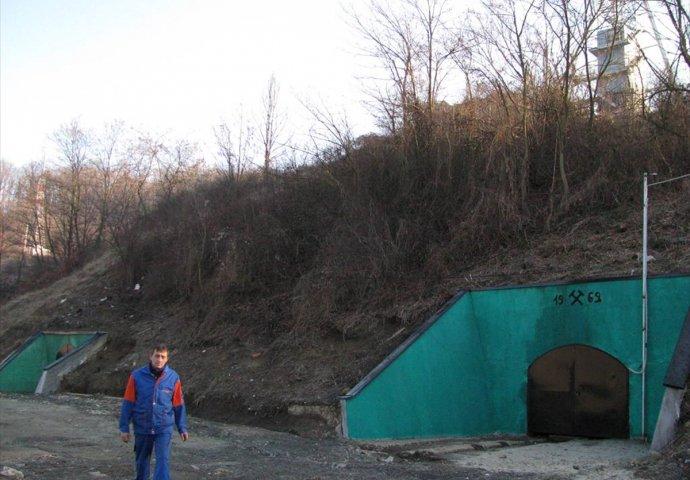
Coal is one of Bosnia and Herzegovina’s most significant mineral and energy resources. Deposits of lignite and brown coal have supported thermal power plants, industrial facilities and district-heating systems.

Important coal-mining areas include:

  • Tuzla and the Kreka basin
  • Banovići
  • Kakanj
  • Breza
  • Zenica
  • Đurđevik
  • Gacko
  • Ugljevik
  • Stanari

Coal mining provides employment and supports other businesses in these communities. It has also contributed to domestic energy production and reduced dependence on imported electricity.

However, the sector faces serious challenges. Many mines require modernisation, productivity improvements and stronger occupational-safety measures. Coal combustion is a major source of greenhouse-gas emissions and air pollution, while mining can affect soil, groundwater and nearby settlements.

As Europe moves towards lower-carbon energy, Bosnia and Herzegovina will need to gradually transform coal-dependent regions. This process should include worker retraining, economic diversification, social protection and the environmental rehabilitation of former mining sites.

Iron Ore

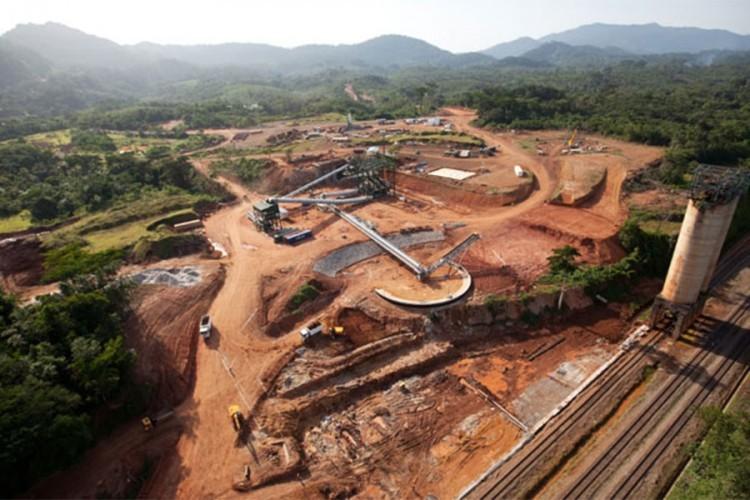
The area around Prijedor has historically been the centre of iron-ore extraction in Bosnia and Herzegovina.

Ljubija, Omarska and Tomašica are associated with a wider ore-bearing region that has supplied raw material for steel production. The Zenica steel industry was historically one of the principal users of domestically mined iron ore.

Iron ore supported the development of heavy industry, engineering, transport and construction. It also created employment in mining, processing and railway logistics.

The future of iron-ore production depends on commercially viable reserves, market conditions, investment and the relationship between domestic mines and metal-processing facilities.

Instead of exporting only raw ore, greater economic value can potentially be created through processing, manufacturing and the production of finished metal goods.

Bauxite and Aluminium

Bosnia and Herzegovina has deposits of bauxite, the principal ore used in aluminium production.

Bauxite resources are located primarily in western and southern parts of the country, including areas of Herzegovina and western Bosnia. Extraction has historically supported alumina and aluminium-related industries.

Aluminium is important for transport, construction, energy systems, packaging and modern manufacturing. Demand is also connected with renewable-energy infrastructure and electric vehicles.

Bauxite mining can nevertheless cause significant changes to the landscape. Open pits, access roads and waste material must be properly managed. Operators should restore mined land and protect groundwater, agricultural areas and natural habitats.

The long-term value of bauxite lies not only in extraction, but also in creating efficient and environmentally responsible processing and manufacturing chains.

Lead, Zinc and Silver

Deposits containing lead, zinc and silver occur in several parts of Bosnia and Herzegovina.

The Vareš region has a particularly long mining history and has attracted renewed interest in polymetallic deposits. Olovo is traditionally associated with lead, as reflected in the town’s name, while other deposits and historical workings are found across central and eastern parts of the country.

Lead and zinc have numerous industrial uses. Zinc protects steel from corrosion and is important for construction, vehicles and infrastructure. Lead is used in batteries and specialised industrial products, although its environmental and health risks require strict controls.

Silver may occur together with other metal ores and can improve the economic value of a deposit.

Modern polymetallic mining requires advanced processing, continuous water monitoring, secure tailings management and clear plans for closure and land rehabilitation.

Salt: The Resource That Shaped Tuzla

Tuzla owes much of its identity and historical development to salt.

The city’s name is connected with the Turkish word tuz, meaning salt. Saltwater deposits beneath the area were used from prehistoric times, and industrial production expanded during the Austro-Hungarian period.

Salt became the foundation for chemical and food-processing industries. It is used in food production, water treatment, pharmaceuticals, road maintenance and numerous industrial processes.

Historic extraction also contributed to ground subsidence in parts of Tuzla, demonstrating how resource exploitation can reshape an urban environment.

Today, the city presents its salt heritage through museums and the Pannonian Lakes. The lakes are an interesting example of transforming a former industrial and subsidence-affected area into a recreational and tourism resource.

Industrial Minerals

Bosnia and Herzegovina also possesses a wide variety of non-metallic and industrial minerals.

These include:

  • Limestone
  • Dolomite
  • Gypsum
  • Clay
  • Kaolin
  • Bentonite
  • Quartz materials
  • Decorative and construction stone
  • Sand and gravel

Limestone is used in cement, lime, metallurgy and construction. Clay supports brick, tile and ceramic production, while gypsum is used in plaster and building materials.

Bentonite has applications in construction, drilling, foundries and environmental protection. Stone, sand and gravel are essential for roads, buildings and infrastructure.

Although individual industrial minerals may attract less public attention than metals or coal, they are vital to the construction sector and domestic manufacturing.

Extraction should follow spatial plans and environmental requirements, particularly when quarries are located near settlements, agricultural land, rivers or protected landscapes.

Potential Critical Minerals

Growing international demand for minerals used in batteries, renewable-energy technologies and digital equipment has increased exploration interest across Europe.

Parts of Bosnia and Herzegovina have attracted attention for potential lithium, boron and other mineralisation. However, exploration indications should not be presented as confirmed commercially recoverable reserves.

A mineral deposit becomes economically viable only after extensive geological research, resource estimation, technical studies, environmental assessment and financial analysis.

Projects involving potential critical minerals can create investment and employment, but they may also raise concerns about water, agricultural land, waste and community health.

Decisions should be based on transparent scientific evidence, public consultation and a clear assessment of long-term benefits and risks.

Mining and Metal Processing

The greatest economic value from mineral resources is created when extraction is connected with processing and manufacturing.

Bosnia and Herzegovina has experience in:

  • Steel and ferroalloy production
  • Aluminium processing
  • Metal components
  • Construction materials
  • Cement and lime
  • Soda and chemical products
  • Engineering and machinery
  • Export-oriented metal manufacturing

Processing raw materials domestically can create more skilled jobs, encourage technology transfer and increase export value.

Older facilities, however, may require modern environmental controls, improved energy efficiency and investment in cleaner production. Competitiveness will increasingly depend on carbon emissions, product traceability and compliance with European standards.

Employment and Regional Development

Mining operations are often located in areas with limited alternative employment. A mine can support not only direct workers but also transport companies, equipment suppliers, maintenance services, retailers and municipal revenue.

This makes mining economically important, but it can also create dependence on a single employer or resource.

Communities should use mining-related income to diversify their economies, improve education and support new businesses. Planning for mine closure should begin long before extraction ends.

Without advance planning, the closure of a mine can lead to unemployment, population decline and abandoned industrial land.

Environmental and Health Risks

Mining can create serious environmental consequences if it is not properly regulated and managed.

Potential risks include:

  • Contamination of rivers and groundwater
  • Dust and air pollution
  • Soil degradation
  • Deforestation and habitat loss
  • Noise and heavy traffic
  • Unstable waste deposits
  • Tailings-dam failure
  • Ground subsidence
  • Abandoned pits and underground workings
  • Long-term health risks for workers and residents

Environmental assessments must examine the complete life cycle of a project—from exploration and construction to operation, closure and rehabilitation.

Mining companies should provide financial guarantees for restoration so that environmental costs are not transferred to citizens after a project ends.

Modernising the Mining Sector

The future of mining in Bosnia and Herzegovina will depend on technology, transparency and responsible governance.

Modern equipment can improve productivity and worker safety. Digital geological modelling, automated monitoring and better ore-processing technology can reduce waste and energy consumption.

Publicly accessible information about concessions, ownership, production, environmental permits and payments can strengthen trust.

Effective inspections and consistent enforcement are equally important. Environmental rules have little value if violations are not detected or sanctioned.

Recycling and the Circular Economy

Future mineral supply will not depend only on opening new mines. Recycling metals from vehicles, machinery, buildings, batteries and electronic waste can reduce demand for primary raw materials.

Bosnia and Herzegovina has opportunities to develop businesses in:

  • Metal recycling
  • Electronic-waste processing
  • Battery collection
  • Recovery of construction materials
  • Industrial by-product reuse
  • Repair and remanufacturing

Mining waste and old industrial sites may also contain usable materials, although any recovery project requires detailed technical and environmental analysis.

A circular economy can create employment while reducing pressure on natural landscapes.

Balancing Wealth and Responsibility

The mineral wealth of Bosnia and Herzegovina has helped build cities, industries and energy systems. Coal, iron ore, bauxite, salt, lead, zinc and industrial minerals remain valuable economic resources.

Their presence alone, however, does not guarantee prosperity.

Long-term benefits depend on responsible extraction, domestic processing, safe working conditions, transparent public revenue and environmental restoration. Communities located near mines should participate in decisions and receive a fair share of the economic benefits.

Bosnia and Herzegovina has an opportunity to modernise its traditional mining sector while preparing for a cleaner and more diversified economy.

The true value of its mineral wealth will be measured not only by the quantity extracted, but also by the quality of jobs created, the environment preserved and the lasting benefits provided to future generations.

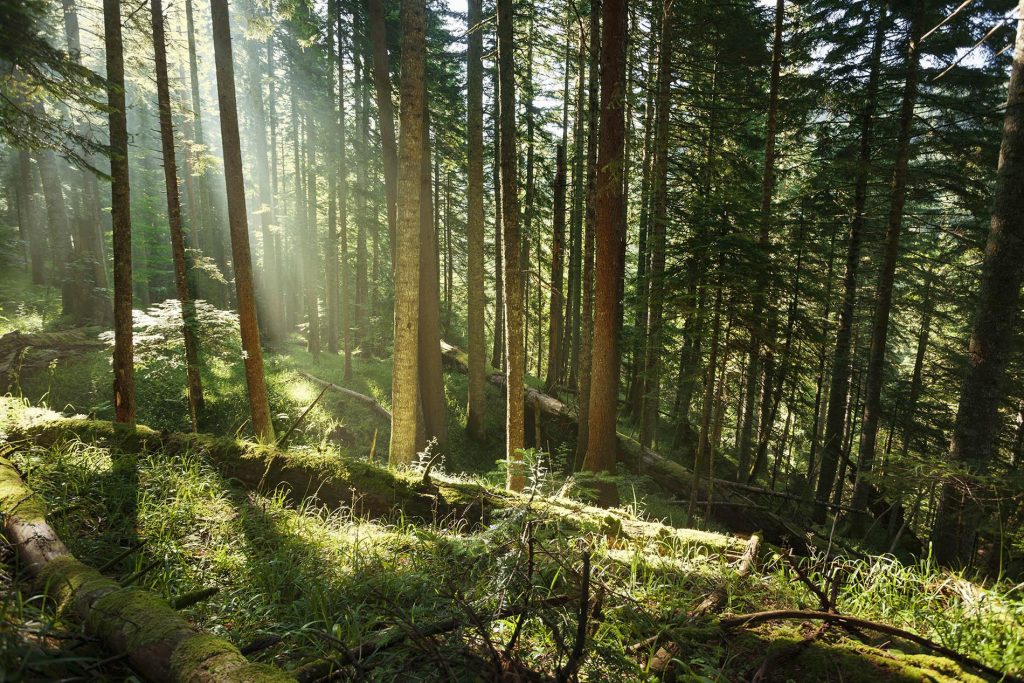
Dense forest landscape in Perućica Bosnia and Herzegovina

Natural Resources of Bosnia and Herzegovina: Potential, Economic Value and Sustainable Development

Bosnia and Herzegovina possesses a diverse collection of natural resources shaped by its mountains, forests, river systems, fertile valleys and complex geology.

Forests cover a substantial part of the country, while rivers provide drinking water, natural habitats and hydroelectric potential. Agricultural land supports crop production, livestock farming, fruit growing and viticulture. The country also has deposits of coal, iron ore, bauxite, lead, zinc, salt and industrial minerals.

These resources have supported communities and industries for generations. Their future value, however, will depend on responsible management, environmental protection and the ability to transform raw materials into sustainable economic opportunities.

Forests and Timber Resources

Forests are among Bosnia and Herzegovina’s most important natural assets. European Environment Agency data indicate that forests covered approximately 42.1% of the country’s land area in 2020.

The country’s varied altitude and climate support beech, oak, fir, spruce, pine and other tree species. Forests provide raw material for timber processing, furniture manufacturing, construction, paper production and biomass energy.

The wood-processing and furniture industries have considerable development potential because they can create more value than the export of unprocessed timber. Modern production, responsible certification and better design can help domestic companies compete in international markets.

Forests also perform essential environmental functions. They store carbon, protect soil from erosion, regulate water flows and provide habitats for wildlife.

Perućica, located within Sutjeska National Park, is one of Europe’s remaining primeval forests. Its old trees, waterfalls and largely undisturbed ecosystems demonstrate the ecological value of Bosnia and Herzegovina’s forest heritage.

Illegal logging, forest fires, pests and inadequate management can threaten this resource. Long-term forestry policies must therefore balance timber production with regeneration, biodiversity protection and the needs of local communities.

Rivers and Freshwater

Bosnia and Herzegovina has an extensive network of rivers, springs, lakes and underground water systems.

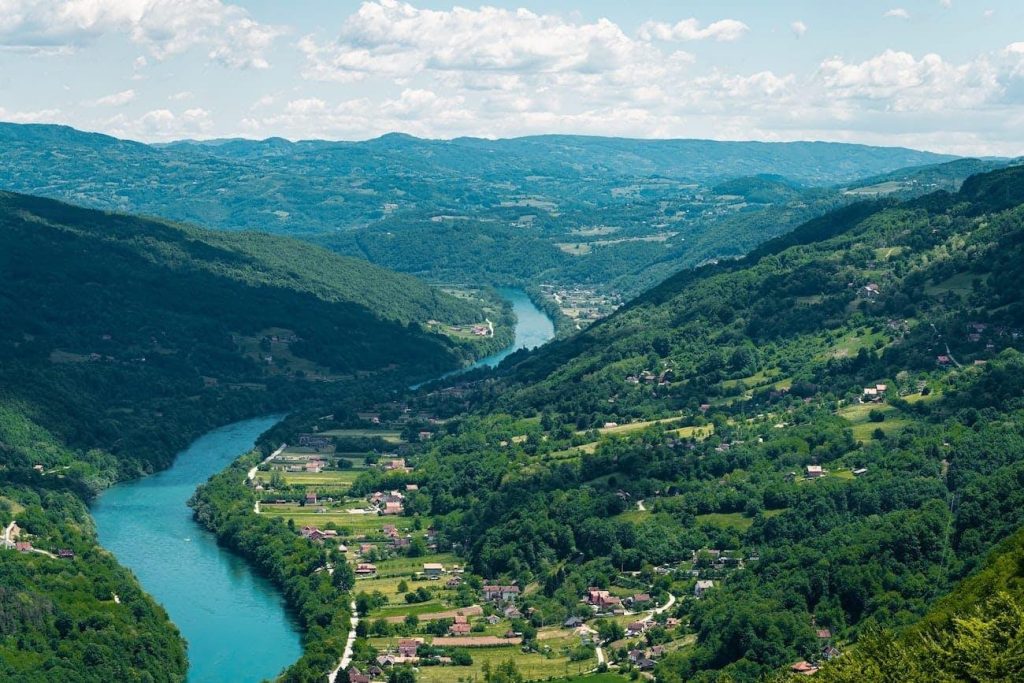
The Sava, Drina, Una, Vrbas, Bosna, Neretva and Trebišnjica are among its most important rivers. These waterways supply settlements and agriculture, support industry and provide habitats for fish, birds and other wildlife.

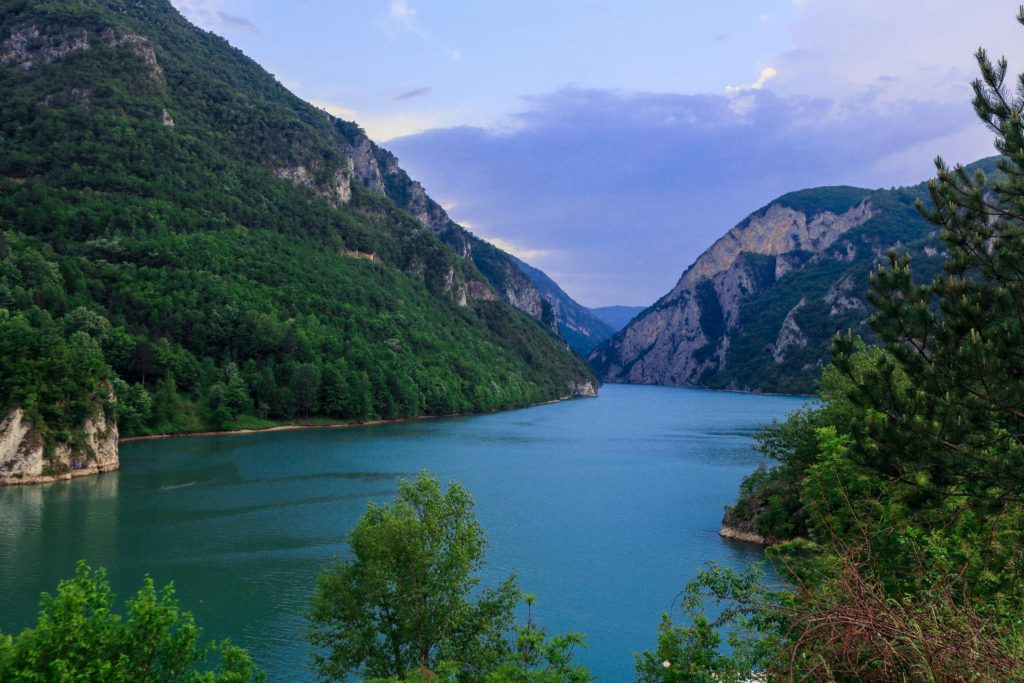
The Una is known for clear water, rapids and waterfalls. The Neretva flows through dramatic canyons and agricultural areas before reaching the Adriatic Sea. The Drina forms part of the country’s eastern border, while the Sava connects Bosnia and Herzegovina with the wider Danube basin.

Freshwater resources support:

  • Public water supply
  • Agriculture and irrigation
  • Electricity generation
  • Fisheries
  • Industry
  • Tourism and recreation
  • Biodiversity and natural habitats

Protecting water quality is essential. Untreated wastewater, industrial pollution, illegal landfills and plastic waste can damage rivers and affect communities far downstream.

Climate change also increases the risk of droughts, extreme rainfall and floods. Sustainable water management requires cooperation across municipalities, administrative boundaries and neighbouring countries.

Hydropower Potential

The country’s mountainous terrain and river systems provide significant hydropower potential.

Large hydroelectric plants already contribute to domestic electricity production, while additional projects have often been proposed for smaller rivers and tributaries.

Hydropower can provide renewable electricity, energy-system flexibility and reduced dependence on imported fuels. However, dams can also alter natural river flows, block fish migration, affect sediment movement and damage habitats.

Small hydropower plants have generated particular public concern in several communities. Although described as renewable-energy projects, their cumulative effects can be substantial when many facilities are constructed on ecologically sensitive rivers.

Future development should be based on transparent environmental assessments, protection of high-value river ecosystems and careful comparison with less damaging alternatives such as solar power, wind energy and energy efficiency.

Coal and the Energy Transition

Bosnia and Herzegovina has substantial reserves of lignite and brown coal. Coal mining has historically supported electricity generation, industry and employment in areas such as Tuzla, Kakanj, Zenica, Banovići, Ugljevik and Gacko.

Coal remains an important part of the country’s energy system, but it also creates serious environmental and economic challenges. Coal-fired electricity generation contributes to air pollution and greenhouse-gas emissions, while older mines and power plants require significant investment.

The global transition towards lower-carbon energy creates uncertainty for coal-dependent communities. Closing mines without a social and economic plan could affect thousands of workers and local businesses.

A just transition should therefore include:

  • Worker retraining
  • Environmental rehabilitation of former mines
  • Investment in replacement industries
  • Renewable-energy projects
  • Support for small businesses
  • Modernisation of affected municipalities
  • Social protection for workers and families

Former mining land may eventually be used for solar facilities, industry, recreation or other productive purposes, depending on local conditions and environmental remediation.

Solar, Wind and Geothermal Energy

Bosnia and Herzegovina has strong potential to increase electricity generation from solar and wind resources.

Herzegovina has particularly favourable solar conditions, while exposed mountain areas may be suitable for wind-energy projects. Existing wind farms demonstrate that commercial wind generation is possible, and interest in new solar facilities has grown.

Renewable-energy development can reduce emissions, diversify electricity production and create opportunities in construction, engineering, equipment maintenance and professional services.

However, renewable projects also require proper spatial planning. Large solar or wind facilities should not unnecessarily occupy valuable agricultural land, damage important habitats or create conflicts with local communities.

The country also has thermal and mineral springs that may support geothermal heating, healthcare, wellness tourism and local energy solutions.

Mineral Resources

Bosnia and Herzegovina has a long history of mining and metal processing.

Mineral commodities produced in the country include:

  • Coal and lignite
  • Iron ore
  • Bauxite
  • Lead and zinc
  • Silver
  • Bentonite
  • Gypsum
  • Salt
  • Kaolin
  • Limestone
  • Sand, gravel and construction stone

Iron ore and metal processing have played important roles in the industrial development of areas such as Prijedor and Zenica. Bauxite has supported aluminium-related production, while salt extraction is historically associated with Tuzla.

Limestone, clay, gypsum, sand and gravel are important for cement, brick, road and construction-material production.

Mineral resources can attract investment and create employment, but mining projects can also affect water, soil, forests and nearby settlements. Modern operations require environmental safeguards, worker protection, community consultation and clear plans for restoring land after extraction.

The economic objective should be to create greater domestic value through responsible processing and manufacturing rather than relying exclusively on raw-material exports.

Agricultural Land

Bosnia and Herzegovina’s agricultural resources vary considerably between regions.

The plains and river valleys of the north are suitable for cereals, maize, vegetables and livestock production. Central regions support dairy farming, fruit production and mixed agriculture, while Herzegovina’s warmer climate favours grapes, Mediterranean herbs, vegetables and certain fruit crops.

Important agricultural activities include:

  • Cereal and vegetable production
  • Dairy farming
  • Cattle and sheep breeding
  • Poultry production
  • Fruit growing
  • Viticulture and winemaking
  • Beekeeping
  • Medicinal and aromatic plants
  • Fish farming

Plums, apples, pears, berries and other fruits have strong connections with traditional food production. Herzegovina has a long winemaking tradition, including regional grape varieties such as Žilavka and Blatina.

Small farms dominate many rural areas. Better irrigation, storage, processing, certification and access to markets could help them increase productivity and income.

At the same time, soil erosion, floods, drought, fragmented land ownership and abandoned farmland create serious challenges. According to the Food and Agriculture Organization, a substantial share of the country’s land is affected by degradation.

Biodiversity

Bosnia and Herzegovina lies at the meeting point of Mediterranean, continental and mountain ecosystems. This geographic position has created rich biological diversity and numerous endemic and rare species.

Its ecosystems include:

  • Mountain forests
  • Alpine meadows
  • Karst fields
  • Caves and underground waters
  • River canyons
  • Wetlands
  • Mediterranean landscapes
  • Agricultural habitats

Large mammals include brown bears, wolves and lynx, while rivers support important fish populations. Wetlands such as Hutovo Blato provide habitat for migratory and resident birds.

Vjetrenica Cave, recognised as a UNESCO World Heritage Site in 2024, is especially important for underground biodiversity and karst science.

Bosnia and Herzegovina has designated national parks, nature parks and other protected areas. Nevertheless, the total protected territory remains limited compared with the country’s ecological richness.

Expanding effective conservation and connecting protected habitats would benefit wildlife, water protection, tourism and climate resilience.

Medicinal Plants, Mushrooms and Wild Products

Forests and mountain meadows provide medicinal and aromatic plants, mushrooms, berries and other non-timber products.

Local communities have traditionally collected herbs, forest fruits and mushrooms for household use and sale. With responsible harvesting and quality control, these resources can support small businesses producing teas, essential oils, cosmetics, natural remedies and specialty foods.

Organic certification, professional packaging and reliable traceability could increase their market value.

Uncontrolled collection, however, can place pressure on sensitive species. Commercial harvesting should follow scientific guidance and applicable regulations.

Natural Resources and Tourism

Many of Bosnia and Herzegovina’s natural resources also form the basis of its growing tourism industry.

Rivers support rafting and kayaking. Forests and mountains attract hikers, cyclists and wildlife enthusiasts. Thermal springs contribute to spa tourism, while agricultural regions offer food, wine and rural experiences.

Una, Sutjeska, Kozara and Drina national parks demonstrate how protected landscapes can create economic value without being consumed as raw materials.

Well-managed tourism can provide alternative income for rural and former industrial communities. It can also create a direct economic reason to preserve forests, rivers and traditional landscapes.

Environmental Challenges

Despite its natural wealth, Bosnia and Herzegovina faces environmental pressures that reduce the long-term value of its resources.

Major concerns include:

  • Air pollution
  • Inadequate wastewater treatment
  • Illegal and poorly managed landfills
  • River pollution
  • Unsustainable forestry
  • Soil degradation
  • Abandoned industrial sites
  • Mining waste
  • Floods, droughts and forest fires
  • Habitat fragmentation
  • Climate change

Natural resources can generate short-term revenue, but environmental damage can create costs lasting for decades. Polluted water, degraded soil and cleared forests affect public health, agriculture, tourism and local development.

Effective monitoring, enforcement and transparent decision-making are essential for preventing irreversible damage.

Opportunities for Sustainable Development

Bosnia and Herzegovina can use its natural resources to support a more sustainable and competitive economy.

Promising directions include:

  • Certified forestry and higher-value wood products
  • Sustainable agriculture and food processing
  • Solar and wind energy
  • Energy-efficient buildings and industry
  • Ecotourism and rural tourism
  • Recycling and circular manufacturing
  • Sustainable water management
  • Rehabilitation of former mines
  • Organic products and regional branding
  • Scientific research and environmental technology

Investment should focus on creating value domestically while preserving the resource base for future generations.

A Foundation for the Future

The natural resources of Bosnia and Herzegovina are economically important, but their value extends beyond financial calculations.

Forests regulate water and protect biodiversity. Rivers provide energy, drinking water and recreation. Agricultural land supports food production and rural communities. Minerals supply industry, while solar and wind resources offer a path towards cleaner energy.

The country’s long-term opportunity lies in connecting development with conservation.

If managed transparently and responsibly, natural resources can support employment, energy security, sustainable tourism and regional development. If exploited without adequate protection, the same resources can be permanently degraded.

Bosnia and Herzegovina therefore faces an important choice: to treat nature as a short-term source of raw materials or as a lasting foundation for economic resilience and quality of life.

Old Bridge crossing the Neretva River in Mostar Bosnia and Herzegovina

Tourism in Bosnia and Herzegovina: Culture, Nature and Authentic Experiences

Bosnia and Herzegovina is one of Southeast Europe’s most diverse and rewarding destinations. Historic cities, mountain landscapes, clear rivers, waterfalls, traditional villages and a small Adriatic coastline provide visitors with a wide range of experiences within a relatively compact country.

Sarajevo and Mostar are its most internationally recognised destinations, but the country’s tourism offer extends far beyond them. Medieval fortresses, Ottoman bridges, Austro-Hungarian architecture, national parks, winter resorts, religious sites and regional cuisine create opportunities for cultural, adventure, rural and year-round tourism.

For travellers seeking authenticity, hospitality and destinations that still feel relatively undiscovered, Bosnia and Herzegovina has considerable appeal.

Sarajevo: A Meeting Point of Cultures

Sarajevo is the country’s capital and one of its most fascinating destinations. Ottoman, Austro-Hungarian, Yugoslav and contemporary influences can be experienced within a relatively small urban area.

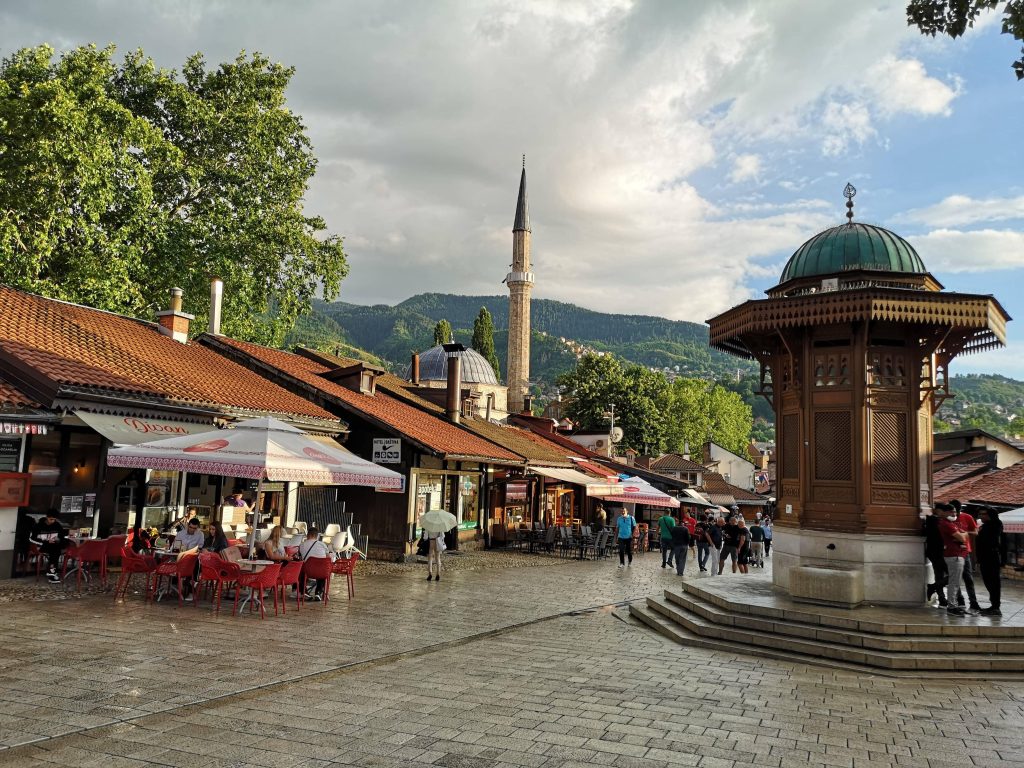
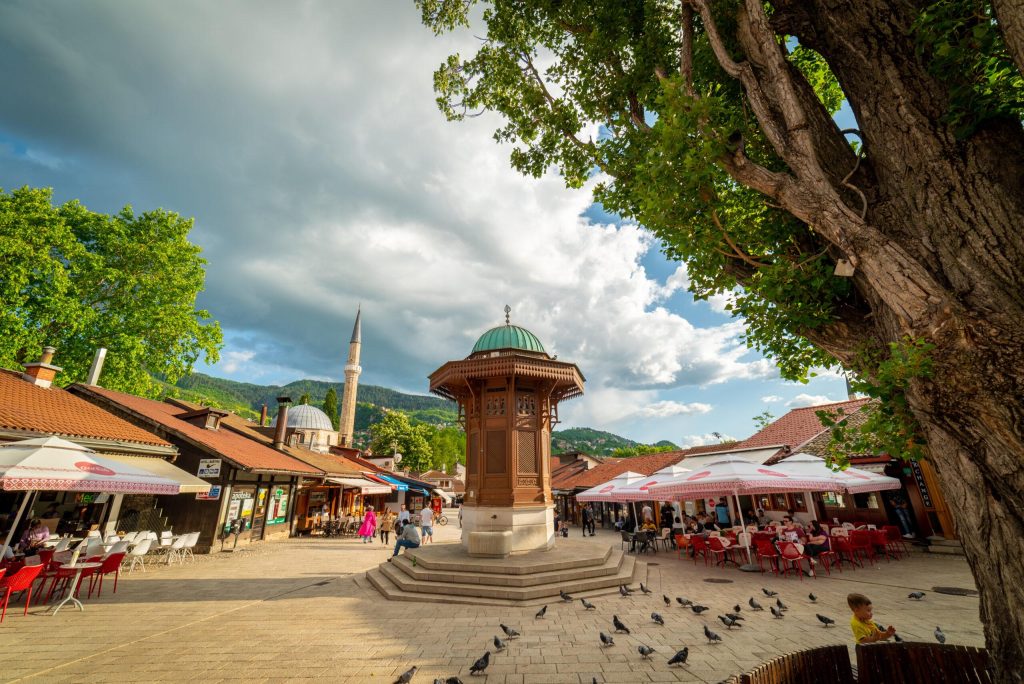
Baščaršija, Sarajevo’s historic bazaar, is the heart of the old city. Its cobbled streets contain traditional craft shops, cafés, restaurants, mosques and the famous Sebilj fountain. Nearby landmarks include the Gazi Husrev-beg Mosque, Latin Bridge, Sacred Heart Cathedral and the Old Orthodox Church.

Walking from Baščaršija towards the Austro-Hungarian part of the city reveals how different periods and cultures shaped Sarajevo’s architecture.

The city’s museums and memorial sites also preserve important stories about the twentieth century. The Sarajevo Tunnel Museum, Historical Museum and other institutions help visitors understand both the city’s resilience and its complex history.

Sarajevo is surrounded by mountains, allowing travellers to combine sightseeing with hiking, skiing and outdoor recreation.

Mostar and the Old Bridge

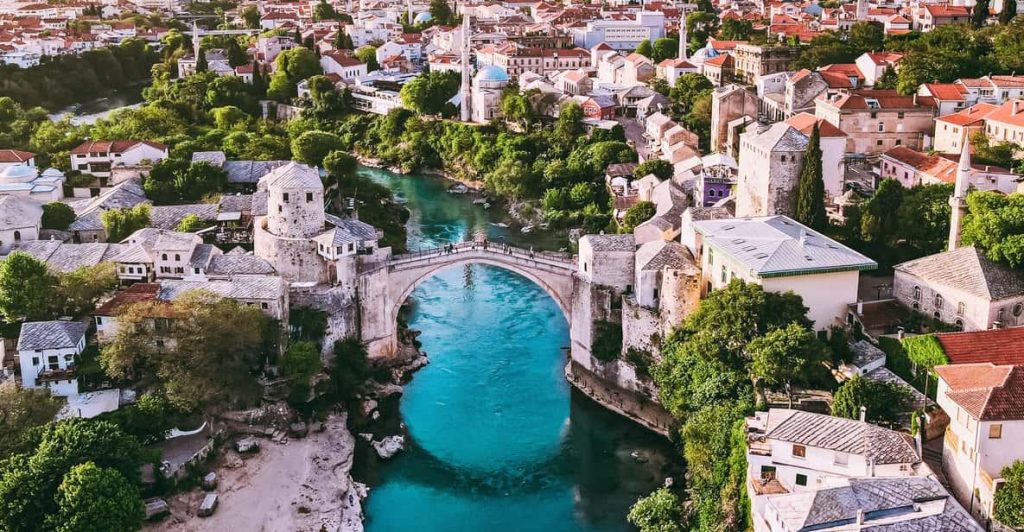
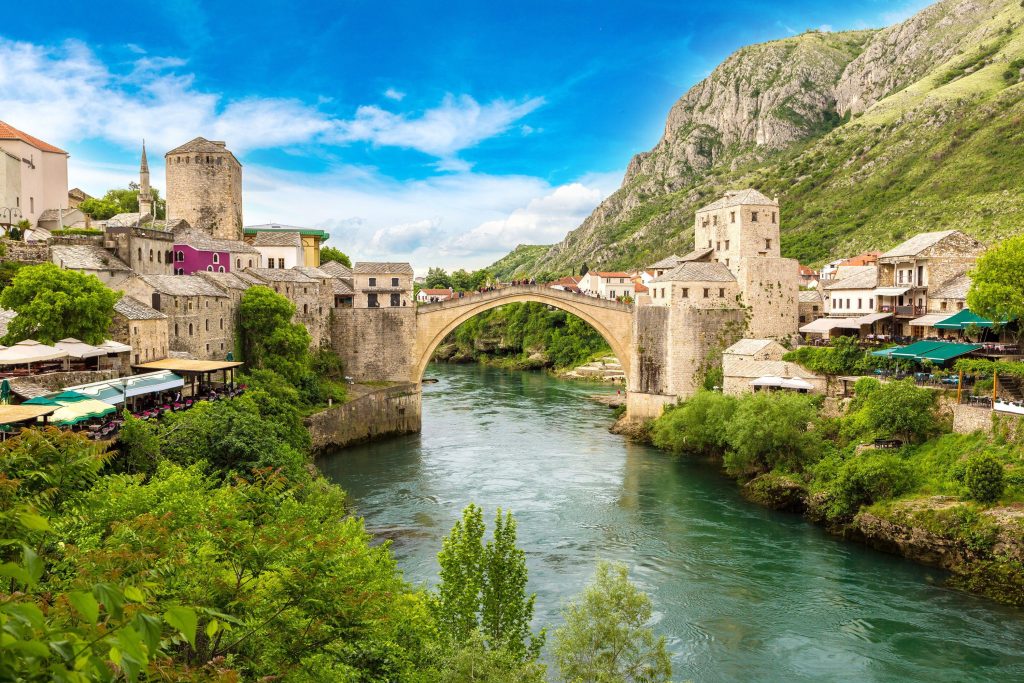
Mostar is famous for its Old Bridge, known locally as Stari Most. The elegant stone bridge crosses the Neretva River and connects the two sides of the city’s historic centre.

The Old Bridge Area of the Old City of Mostar is included on the UNESCO World Heritage List. Reconstructed after its destruction during the 1990s, the bridge has become an international symbol of reconciliation and renewed coexistence.

The surrounding old town contains stone houses, narrow streets, small shops, cafés and traditional restaurants. Visitors can explore both riverbanks, view the bridge from several panoramic locations and visit museums that explain its history.

Mostar also provides a good base for exploring Blagaj, Počitelj, Međugorje and the waterfalls of southern Herzegovina.

Blagaj and the Buna River

Blagaj is located near Mostar at the source of the Buna River. The river emerges beneath a high limestone cliff, creating one of the country’s most recognisable natural and cultural landscapes.

The historic Blagaj Tekke stands beside the water and reflects the spiritual and architectural heritage of the region. Riverside restaurants offer local dishes in a peaceful setting surrounded by rock, water and greenery.

Blagaj is ideal for a half-day visit, but its atmosphere, walking opportunities and surrounding countryside also make it suitable for a longer stay.

Počitelj: A Historic Stone Settlement

Počitelj is a fortified historic settlement overlooking the Neretva Valley. Its stone houses, mosque, clock tower and defensive structures rise along a steep hillside.

Visitors can walk through narrow paths and climb towards the fortress for views across the village and surrounding landscape. Počitelj’s combination of architecture and natural setting makes it particularly attractive to photographers and cultural travellers.

The settlement can easily be included in a route connecting Mostar with southern Herzegovina.

Waterfalls and Rivers

Water is one of Bosnia and Herzegovina’s greatest tourism assets. The country’s rivers and waterfalls support sightseeing, swimming, rafting, kayaking and nature tourism.

Kravica Waterfall is among the best-known attractions in Herzegovina. The Trebižat River descends over a broad natural formation, creating multiple cascades surrounded by vegetation.

In central Bosnia, Jajce is distinguished by a waterfall located close to the historic town centre. The Pliva Lakes and traditional watermills outside the town add to the area’s appeal.

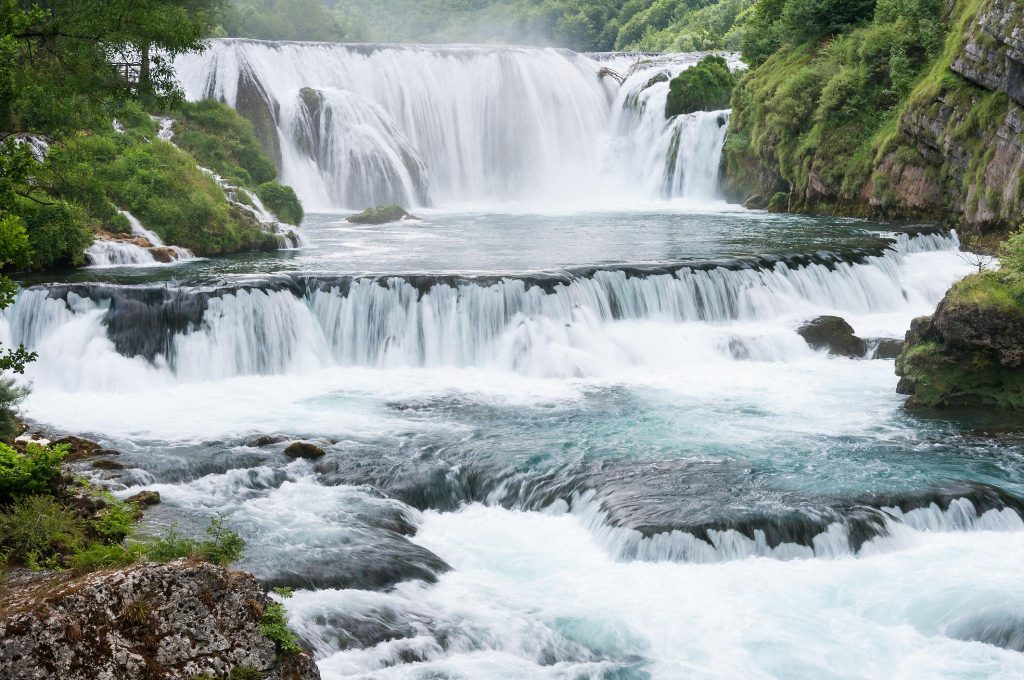
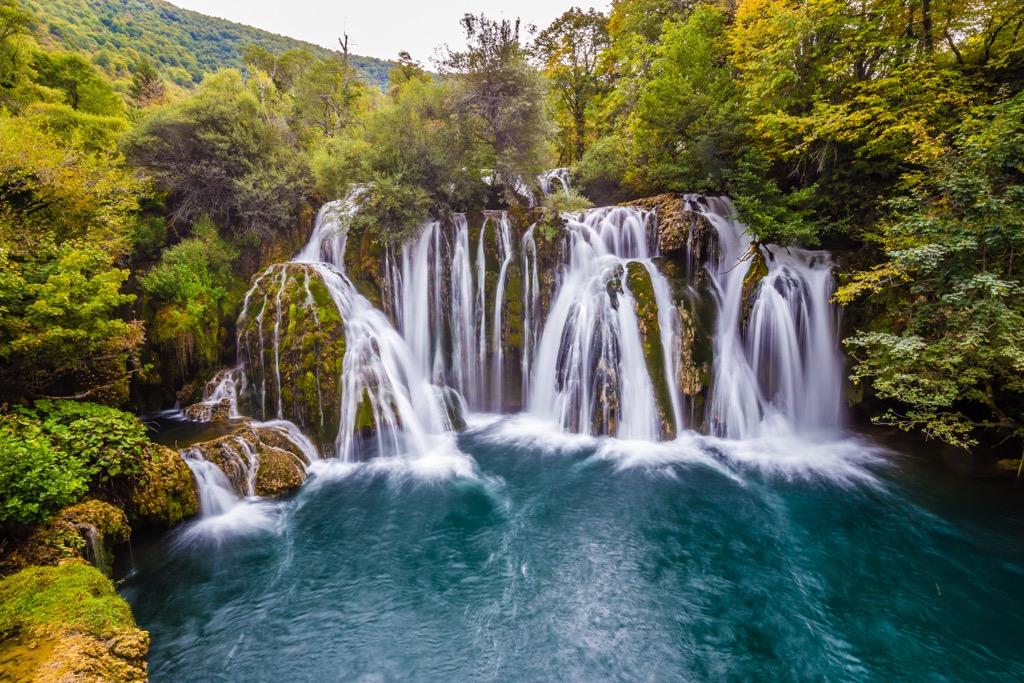
The Una River in western Bosnia and Herzegovina is known for its clear water, rapids and waterfalls. Una National Park protects some of its most impressive landscapes, including the area around Štrbački Buk.

The Neretva, Vrbas, Tara and Una rivers provide excellent conditions for rafting and other water-based adventures.

Una National Park

Una National Park is one of the country’s leading nature destinations. Located in the west, it protects river landscapes, waterfalls, forests and areas of significant biodiversity.

Visitors come for rafting, kayaking, hiking, cycling, photography and peaceful stays in nature. Štrbački Buk and Martin Brod are among the park’s best-known attractions.

The nearby town of Bihać provides accommodation and services for exploring the park. The wider region also has potential for rural tourism, local gastronomy and cross-border itineraries.

Mountains and Adventure Tourism

Bosnia and Herzegovina is largely mountainous, giving it excellent potential for outdoor and adventure tourism.

Popular activities include:

  • Hiking and mountaineering
  • Mountain biking
  • Rafting and kayaking
  • Rock climbing
  • Paragliding
  • Canyoning
  • Camping
  • Wildlife observation
  • Winter sports

The mountains around Sarajevo are particularly accessible. Bjelašnica, Jahorina, Igman and Trebević offer outdoor activities during different seasons.

Other important mountain areas include Prenj, Zelengora, Maglić, Vlašić, Čvrsnica and the mountains of Sutjeska National Park.

Trails vary from easy walks to demanding alpine routes. Travellers entering remote mountain areas should use appropriate equipment, check weather conditions and consider hiring an experienced local guide.

Winter Tourism

The mountains that hosted events during the 1984 Winter Olympics remain central to the country’s winter tourism.

Jahorina and Bjelašnica are the best-known ski destinations, offering ski slopes, accommodation, restaurants and winter activities. Vlašić is another popular mountain resort, particularly among regional visitors and families.

Winter tourism supports hotels, restaurants, equipment rental, ski schools and transport services. Mountain destinations are also increasingly developing summer activities to create more balanced year-round demand.

National Parks and Protected Landscapes

Bosnia and Herzegovina contains several important protected areas.

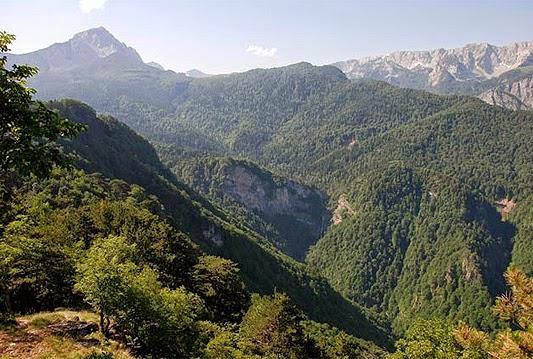
Sutjeska National Park is home to Maglić, the country’s highest mountain, and Perućica, one of Europe’s remaining primeval forests. The park also includes mountain lakes, forests and the dramatic Sutjeska River canyon.

Kozara National Park combines forest landscapes, walking routes, recreation and important historical memorials. It is easily accessible from the northwestern part of the country.

Drina National Park protects landscapes along the Drina River in eastern Bosnia and Herzegovina, while Hutovo Blato Nature Park is an important wetland and bird habitat in Herzegovina.

These areas create opportunities for eco-tourism, education, wildlife observation and guided outdoor experiences.

UNESCO World Heritage

Bosnia and Herzegovina has several properties on the UNESCO World Heritage List.

The Old Bridge Area of Mostar and the Mehmed Paša Sokolović Bridge in Višegrad represent outstanding examples of historic bridge construction and cultural exchange.

The country also participates in the transnational listing of Stećci Medieval Tombstone Graveyards. These monumental stone tombstones, often decorated with symbolic carvings, can be found at numerous historic sites.

Vjetrenica Cave in Ravno was added to the World Heritage List in 2024 because of its exceptional underground biodiversity and karst features.

Bosnia and Herzegovina also forms part of UNESCO’s transnational property protecting ancient and primeval beech forests.

Together, these places demonstrate the variety of the country’s cultural and natural heritage.

Religious and Spiritual Tourism

The country’s religious diversity is visible in its mosques, churches, monasteries and pilgrimage destinations.

Međugorje attracts large numbers of Catholic pilgrims and religious visitors. Sarajevo, Mostar, Travnik and other towns contain important Islamic, Catholic, Orthodox and Jewish heritage sites.

Historic monasteries, including Tvrdoš near Trebinje and Žitomislić in Herzegovina, provide insight into Orthodox spiritual and cultural traditions.

Visitors should dress appropriately and behave respectfully when entering active places of worship.

Trebinje and Southern Herzegovina

Trebinje is one of the most attractive smaller cities in the country. It is known for its old town, stone architecture, plane trees, vineyards and relaxed Mediterranean atmosphere.

The Trebišnjica River passes through the city, while surrounding hills provide panoramic views. Nearby monasteries, wineries and villages make Trebinje an excellent base for exploring southern Herzegovina.

Its proximity to the Adriatic coast also gives the city potential as part of regional routes connecting Bosnia and Herzegovina, Montenegro and Croatia.

Jajce, Travnik and Central Bosnia

Jajce combines natural and historical attractions in one destination. In addition to its urban waterfall, visitors can explore the medieval fortress, catacombs, historic religious buildings and the nearby Pliva Lakes.

Travnik is known for its Ottoman-era fortress, colourful mosque, traditional neighbourhoods and literary history. The town also offers access to Vlašić Mountain.

Central Bosnia provides opportunities for cultural routes, rural accommodation, hiking and traditional food experiences.

Banja Luka and the Northwest

Banja Luka is the largest city in northwestern Bosnia and Herzegovina. It offers parks, cafés, cultural institutions, historic buildings and access to the Vrbas River.

The surrounding area is particularly attractive for rafting, kayaking, climbing and day trips. Kastel Fortress, located beside the river, is one of the city’s principal landmarks.

Banja Luka can serve as a gateway to Kozara National Park, the Krupa na Vrbasu waterfalls and other destinations in the northwest.

Neum and the Adriatic Coast

Bosnia and Herzegovina has a short coastline centred around the town of Neum. The destination offers seaside accommodation, swimming, boat trips and views across the Adriatic.

Neum is popular among regional visitors and can be combined with journeys through Herzegovina. Its position makes it a useful stop between Mostar, the Neretva Valley and the wider Adriatic region.

Traditional Food and Hospitality

Food is an essential part of the tourism experience in Bosnia and Herzegovina.

Popular dishes include ćevapi, burek and other filled pies, begova čorba, japrak, dolma and slow-cooked meat dishes. Herzegovina is known for wine, cheese, cured meats and Mediterranean-influenced produce.

Traditional desserts such as baklava, tufahija and hurmašica reflect Ottoman culinary influences. Bosnian coffee is served slowly and is closely connected with hospitality and conversation.

Regional differences give travellers a reason to explore beyond the most famous cities. Family restaurants, farms, wineries and rural households can provide some of the most authentic experiences.

Festivals and Cultural Events

Sarajevo hosts internationally recognised film, theatre, music and cultural events. Mostar, Banja Luka, Bihać, Trebinje and other cities also organise concerts, festivals and local celebrations.

Summer programmes often use fortresses, town squares and riverbanks as open-air venues. Food festivals, rafting events and traditional gatherings support tourism in smaller communities.

Visitors planning a trip around a specific event should confirm current dates and accommodation availability in advance.

Growing International Interest

Official tourism statistics show strong international interest in Bosnia and Herzegovina. In May 2026, foreign visitors accounted for 71% of all recorded overnight stays.

The country has considerable potential to develop longer stays by connecting Sarajevo and Mostar with natural attractions, rural communities and lesser-known historic towns.

Improved transport, digital information, professional guiding and coordinated destination promotion could make it easier for visitors to explore several regions during one journey.

A Destination of Remarkable Variety

Bosnia and Herzegovina’s greatest tourism strength is its combination of culture, nature and authentic local life.

Visitors can walk through Sarajevo’s historic bazaar, cross the Old Bridge in Mostar, stand beside the waterfalls of the Una River, raft through a canyon and enjoy traditional food in a family restaurant—all within the same trip.

By protecting its natural landscapes and cultural heritage while improving tourism services, Bosnia and Herzegovina can continue developing as one of Southeast Europe’s most distinctive destinations.

It is a country that rewards curiosity. Travellers who explore beyond its famous landmarks discover welcoming communities, dramatic scenery and a cultural heritage shaped by centuries of exchange.