
The Mineral Wealth of Bosnia and Herzegovina: Resources, Industry and Future Potential
Bosnia and Herzegovina has a long mining tradition supported by diverse geological formations and deposits of coal, iron ore, bauxite, lead, zinc, salt and various industrial minerals.
Mining contributed to the development of towns, railway networks, power generation, metal processing and manufacturing. Communities such as Tuzla, Zenica, Kakanj, Banovići, Prijedor, Gacko and Ugljevik have been closely connected with the extraction or processing of mineral resources.
According to the U.S. Geological Survey, minerals produced in Bosnia and Herzegovina in 2024 included coal, iron ore, bauxite, lead, zinc, silver, bentonite, gypsum, salt, kaolin, limestone, sand, gravel and construction stone.
These resources remain economically important, but their future must be considered alongside environmental standards, technological modernisation and the global transition towards cleaner energy and more responsible production.
A Long Tradition of Mining
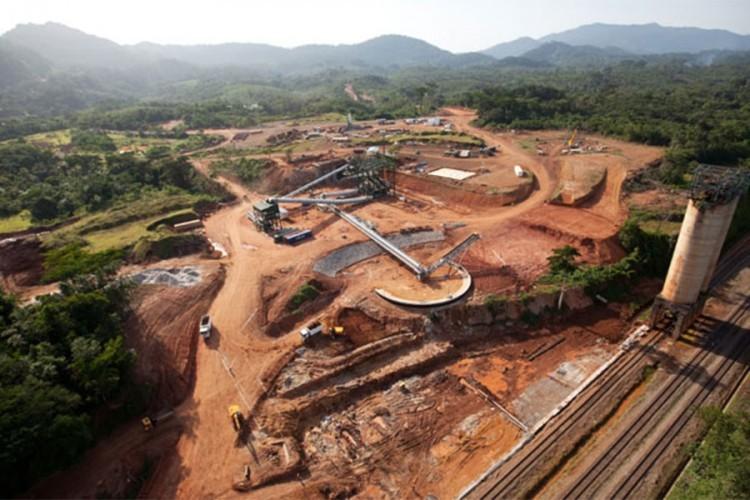
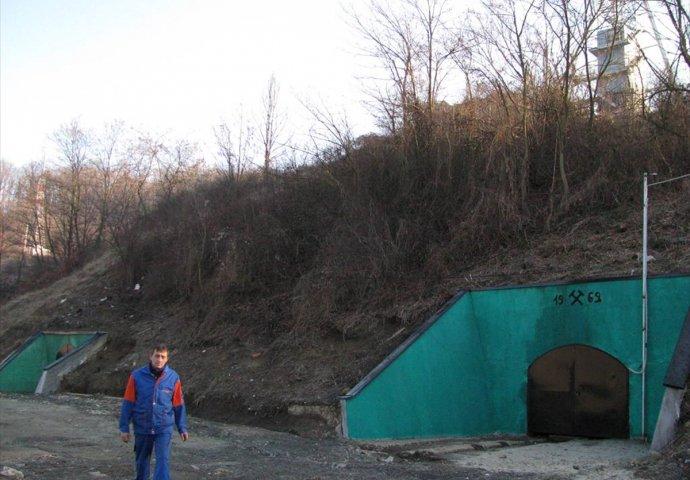
Mining in the territory of modern Bosnia and Herzegovina dates back to ancient times. The Romans extracted metals, while medieval mining settlements became known for silver, lead, copper and iron production.
Saxon miners were invited to the medieval Bosnian state because of their specialised knowledge. Their work contributed to the development of mining centres, trade routes and local economies.
During the Austro-Hungarian period, mining and industrial production expanded significantly. New railways connected mines with processing facilities and external markets. Coal, iron and salt became particularly important for the country’s industrialisation.
Large mines and factories continued to develop during the twentieth century, when Bosnia and Herzegovina became an important centre of the former Yugoslav mining, metallurgical and energy industries.
Coal and Lignite
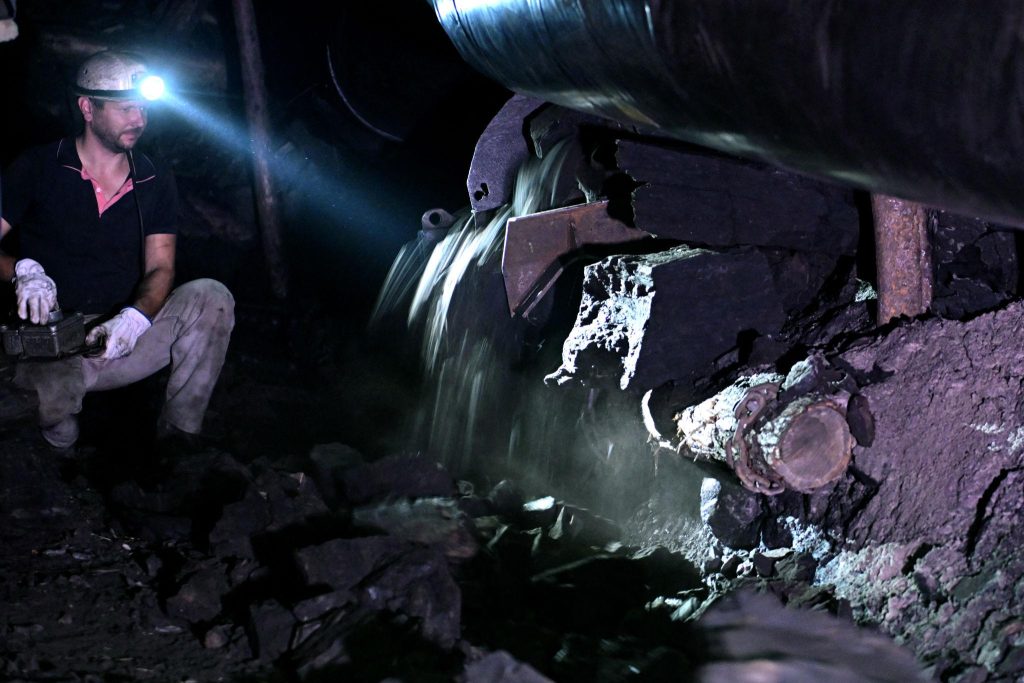
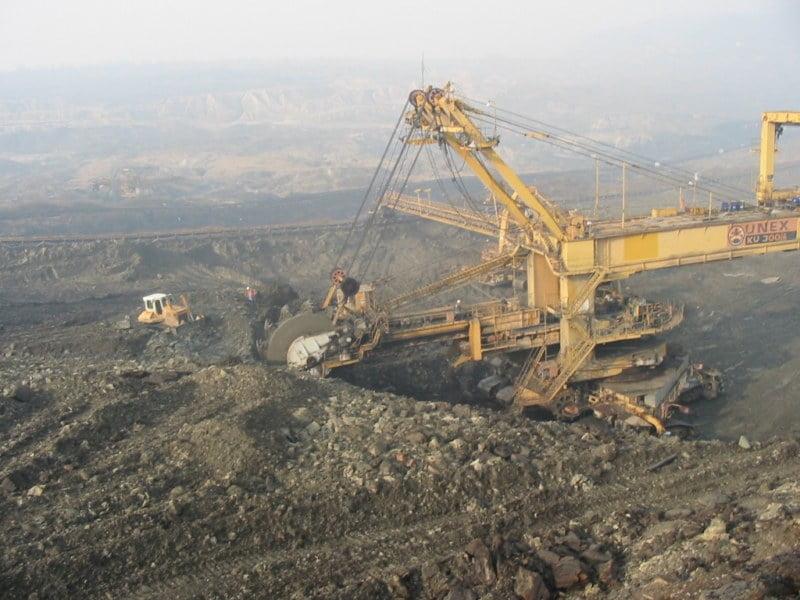
Coal is one of Bosnia and Herzegovina’s most significant mineral and energy resources. Deposits of lignite and brown coal have supported thermal power plants, industrial facilities and district-heating systems.
Important coal-mining areas include:
- Tuzla and the Kreka basin
- Banovići
- Kakanj
- Breza
- Zenica
- Đurđevik
- Gacko
- Ugljevik
- Stanari
Coal mining provides employment and supports other businesses in these communities. It has also contributed to domestic energy production and reduced dependence on imported electricity.
However, the sector faces serious challenges. Many mines require modernisation, productivity improvements and stronger occupational-safety measures. Coal combustion is a major source of greenhouse-gas emissions and air pollution, while mining can affect soil, groundwater and nearby settlements.
As Europe moves towards lower-carbon energy, Bosnia and Herzegovina will need to gradually transform coal-dependent regions. This process should include worker retraining, economic diversification, social protection and the environmental rehabilitation of former mining sites.
Iron Ore
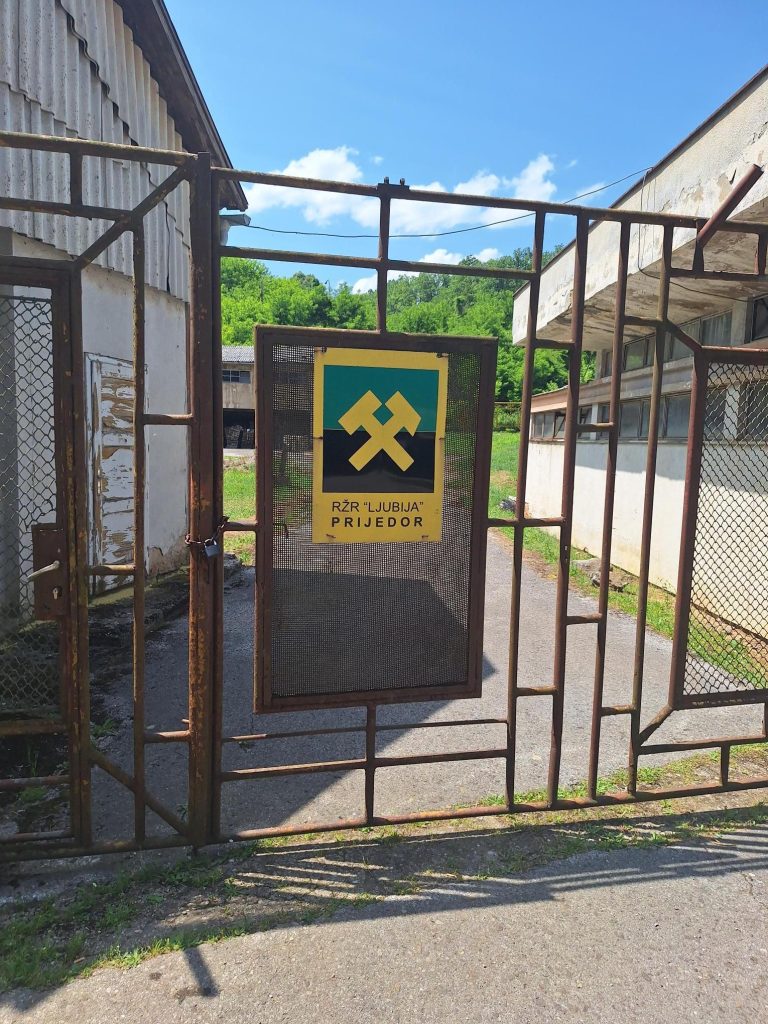
The area around Prijedor has historically been the centre of iron-ore extraction in Bosnia and Herzegovina.
Ljubija, Omarska and Tomašica are associated with a wider ore-bearing region that has supplied raw material for steel production. The Zenica steel industry was historically one of the principal users of domestically mined iron ore.
Iron ore supported the development of heavy industry, engineering, transport and construction. It also created employment in mining, processing and railway logistics.
The future of iron-ore production depends on commercially viable reserves, market conditions, investment and the relationship between domestic mines and metal-processing facilities.
Instead of exporting only raw ore, greater economic value can potentially be created through processing, manufacturing and the production of finished metal goods.
Bauxite and Aluminium
Bosnia and Herzegovina has deposits of bauxite, the principal ore used in aluminium production.
Bauxite resources are located primarily in western and southern parts of the country, including areas of Herzegovina and western Bosnia. Extraction has historically supported alumina and aluminium-related industries.
Aluminium is important for transport, construction, energy systems, packaging and modern manufacturing. Demand is also connected with renewable-energy infrastructure and electric vehicles.
Bauxite mining can nevertheless cause significant changes to the landscape. Open pits, access roads and waste material must be properly managed. Operators should restore mined land and protect groundwater, agricultural areas and natural habitats.
The long-term value of bauxite lies not only in extraction, but also in creating efficient and environmentally responsible processing and manufacturing chains.
Lead, Zinc and Silver
Deposits containing lead, zinc and silver occur in several parts of Bosnia and Herzegovina.
The Vareš region has a particularly long mining history and has attracted renewed interest in polymetallic deposits. Olovo is traditionally associated with lead, as reflected in the town’s name, while other deposits and historical workings are found across central and eastern parts of the country.
Lead and zinc have numerous industrial uses. Zinc protects steel from corrosion and is important for construction, vehicles and infrastructure. Lead is used in batteries and specialised industrial products, although its environmental and health risks require strict controls.
Silver may occur together with other metal ores and can improve the economic value of a deposit.
Modern polymetallic mining requires advanced processing, continuous water monitoring, secure tailings management and clear plans for closure and land rehabilitation.
Salt: The Resource That Shaped Tuzla
Tuzla owes much of its identity and historical development to salt.
The city’s name is connected with the Turkish word tuz, meaning salt. Saltwater deposits beneath the area were used from prehistoric times, and industrial production expanded during the Austro-Hungarian period.
Salt became the foundation for chemical and food-processing industries. It is used in food production, water treatment, pharmaceuticals, road maintenance and numerous industrial processes.
Historic extraction also contributed to ground subsidence in parts of Tuzla, demonstrating how resource exploitation can reshape an urban environment.
Today, the city presents its salt heritage through museums and the Pannonian Lakes. The lakes are an interesting example of transforming a former industrial and subsidence-affected area into a recreational and tourism resource.
Industrial Minerals
Bosnia and Herzegovina also possesses a wide variety of non-metallic and industrial minerals.
These include:
- Limestone
- Dolomite
- Gypsum
- Clay
- Kaolin
- Bentonite
- Quartz materials
- Decorative and construction stone
- Sand and gravel
Limestone is used in cement, lime, metallurgy and construction. Clay supports brick, tile and ceramic production, while gypsum is used in plaster and building materials.
Bentonite has applications in construction, drilling, foundries and environmental protection. Stone, sand and gravel are essential for roads, buildings and infrastructure.
Although individual industrial minerals may attract less public attention than metals or coal, they are vital to the construction sector and domestic manufacturing.
Extraction should follow spatial plans and environmental requirements, particularly when quarries are located near settlements, agricultural land, rivers or protected landscapes.
Potential Critical Minerals
Growing international demand for minerals used in batteries, renewable-energy technologies and digital equipment has increased exploration interest across Europe.
Parts of Bosnia and Herzegovina have attracted attention for potential lithium, boron and other mineralisation. However, exploration indications should not be presented as confirmed commercially recoverable reserves.
A mineral deposit becomes economically viable only after extensive geological research, resource estimation, technical studies, environmental assessment and financial analysis.
Projects involving potential critical minerals can create investment and employment, but they may also raise concerns about water, agricultural land, waste and community health.
Decisions should be based on transparent scientific evidence, public consultation and a clear assessment of long-term benefits and risks.
Mining and Metal Processing
The greatest economic value from mineral resources is created when extraction is connected with processing and manufacturing.
Bosnia and Herzegovina has experience in:
- Steel and ferroalloy production
- Aluminium processing
- Metal components
- Construction materials
- Cement and lime
- Soda and chemical products
- Engineering and machinery
- Export-oriented metal manufacturing
Processing raw materials domestically can create more skilled jobs, encourage technology transfer and increase export value.
Older facilities, however, may require modern environmental controls, improved energy efficiency and investment in cleaner production. Competitiveness will increasingly depend on carbon emissions, product traceability and compliance with European standards.
Employment and Regional Development
Mining operations are often located in areas with limited alternative employment. A mine can support not only direct workers but also transport companies, equipment suppliers, maintenance services, retailers and municipal revenue.
This makes mining economically important, but it can also create dependence on a single employer or resource.
Communities should use mining-related income to diversify their economies, improve education and support new businesses. Planning for mine closure should begin long before extraction ends.
Without advance planning, the closure of a mine can lead to unemployment, population decline and abandoned industrial land.
Environmental and Health Risks
Mining can create serious environmental consequences if it is not properly regulated and managed.
Potential risks include:
- Contamination of rivers and groundwater
- Dust and air pollution
- Soil degradation
- Deforestation and habitat loss
- Noise and heavy traffic
- Unstable waste deposits
- Tailings-dam failure
- Ground subsidence
- Abandoned pits and underground workings
- Long-term health risks for workers and residents
Environmental assessments must examine the complete life cycle of a project—from exploration and construction to operation, closure and rehabilitation.
Mining companies should provide financial guarantees for restoration so that environmental costs are not transferred to citizens after a project ends.
Modernising the Mining Sector
The future of mining in Bosnia and Herzegovina will depend on technology, transparency and responsible governance.
Modern equipment can improve productivity and worker safety. Digital geological modelling, automated monitoring and better ore-processing technology can reduce waste and energy consumption.
Publicly accessible information about concessions, ownership, production, environmental permits and payments can strengthen trust.
Effective inspections and consistent enforcement are equally important. Environmental rules have little value if violations are not detected or sanctioned.
Recycling and the Circular Economy
Future mineral supply will not depend only on opening new mines. Recycling metals from vehicles, machinery, buildings, batteries and electronic waste can reduce demand for primary raw materials.
Bosnia and Herzegovina has opportunities to develop businesses in:
- Metal recycling
- Electronic-waste processing
- Battery collection
- Recovery of construction materials
- Industrial by-product reuse
- Repair and remanufacturing
Mining waste and old industrial sites may also contain usable materials, although any recovery project requires detailed technical and environmental analysis.
A circular economy can create employment while reducing pressure on natural landscapes.
Balancing Wealth and Responsibility
The mineral wealth of Bosnia and Herzegovina has helped build cities, industries and energy systems. Coal, iron ore, bauxite, salt, lead, zinc and industrial minerals remain valuable economic resources.
Their presence alone, however, does not guarantee prosperity.
Long-term benefits depend on responsible extraction, domestic processing, safe working conditions, transparent public revenue and environmental restoration. Communities located near mines should participate in decisions and receive a fair share of the economic benefits.
Bosnia and Herzegovina has an opportunity to modernise its traditional mining sector while preparing for a cleaner and more diversified economy.
The true value of its mineral wealth will be measured not only by the quantity extracted, but also by the quality of jobs created, the environment preserved and the lasting benefits provided to future generations.
bauxite, Bosnia and Herzegovina, coal, iron ore, mineral resources, mining, salt, zinc