
Tourism in Bosnia and Herzegovina: Culture, Nature and Authentic Experiences
Bosnia and Herzegovina is one of Southeast Europe’s most diverse and rewarding destinations. Historic cities, mountain landscapes, clear rivers, waterfalls, traditional villages and a small Adriatic coastline provide visitors with a wide range of experiences within a relatively compact country.
Sarajevo and Mostar are its most internationally recognised destinations, but the country’s tourism offer extends far beyond them. Medieval fortresses, Ottoman bridges, Austro-Hungarian architecture, national parks, winter resorts, religious sites and regional cuisine create opportunities for cultural, adventure, rural and year-round tourism.
For travellers seeking authenticity, hospitality and destinations that still feel relatively undiscovered, Bosnia and Herzegovina has considerable appeal.
Sarajevo: A Meeting Point of Cultures
Sarajevo is the country’s capital and one of its most fascinating destinations. Ottoman, Austro-Hungarian, Yugoslav and contemporary influences can be experienced within a relatively small urban area.
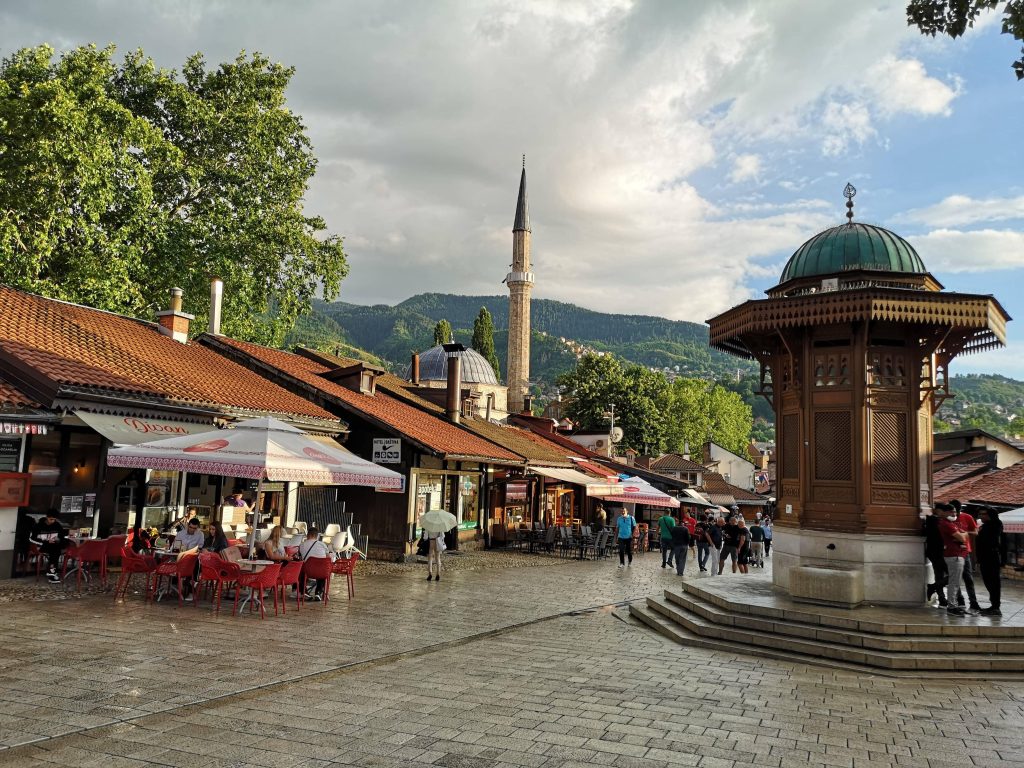
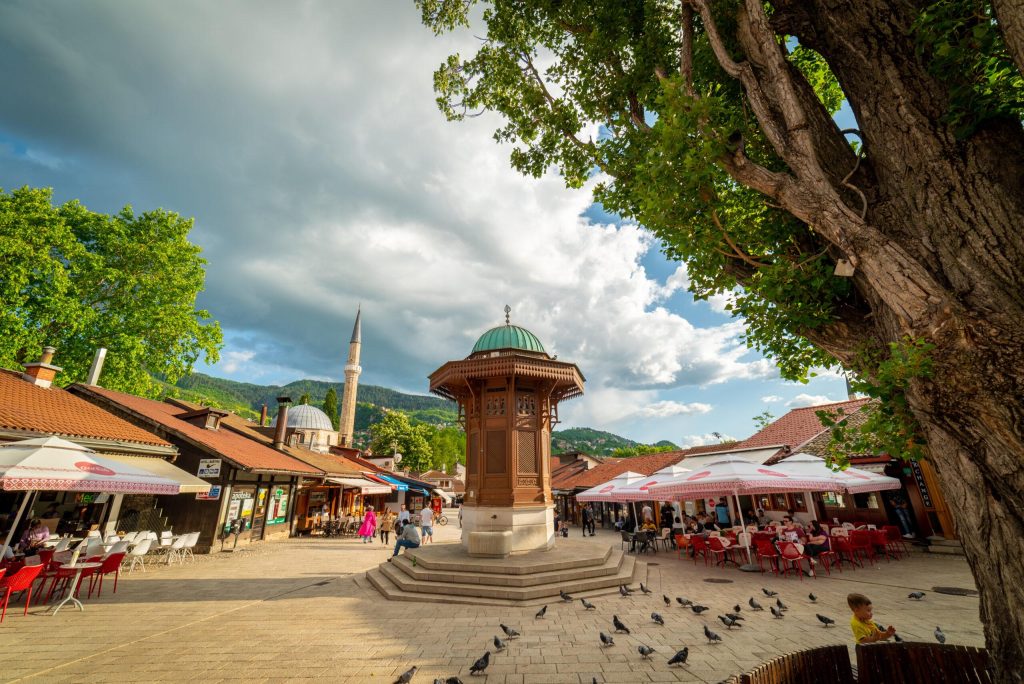
Baščaršija, Sarajevo’s historic bazaar, is the heart of the old city. Its cobbled streets contain traditional craft shops, cafés, restaurants, mosques and the famous Sebilj fountain. Nearby landmarks include the Gazi Husrev-beg Mosque, Latin Bridge, Sacred Heart Cathedral and the Old Orthodox Church.
Walking from Baščaršija towards the Austro-Hungarian part of the city reveals how different periods and cultures shaped Sarajevo’s architecture.
The city’s museums and memorial sites also preserve important stories about the twentieth century. The Sarajevo Tunnel Museum, Historical Museum and other institutions help visitors understand both the city’s resilience and its complex history.
Sarajevo is surrounded by mountains, allowing travellers to combine sightseeing with hiking, skiing and outdoor recreation.
Mostar and the Old Bridge
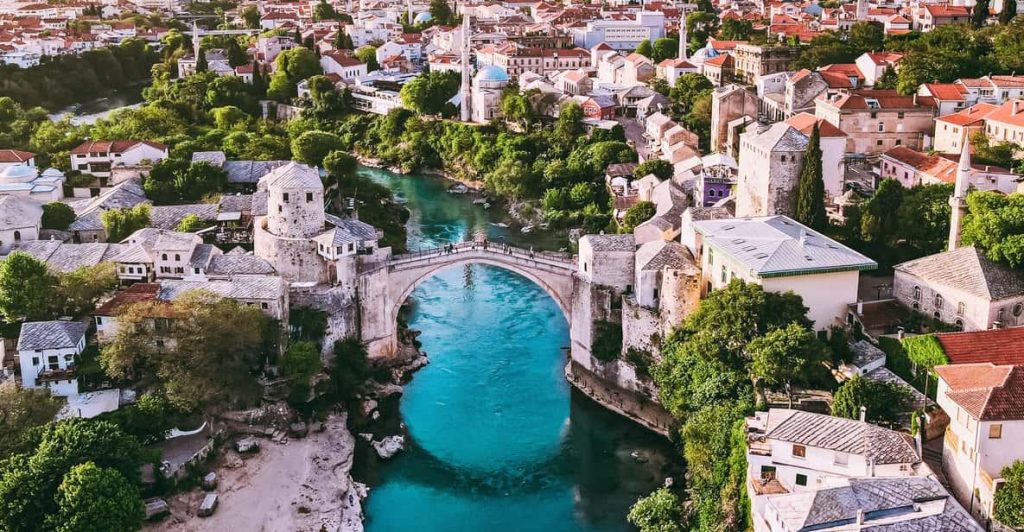
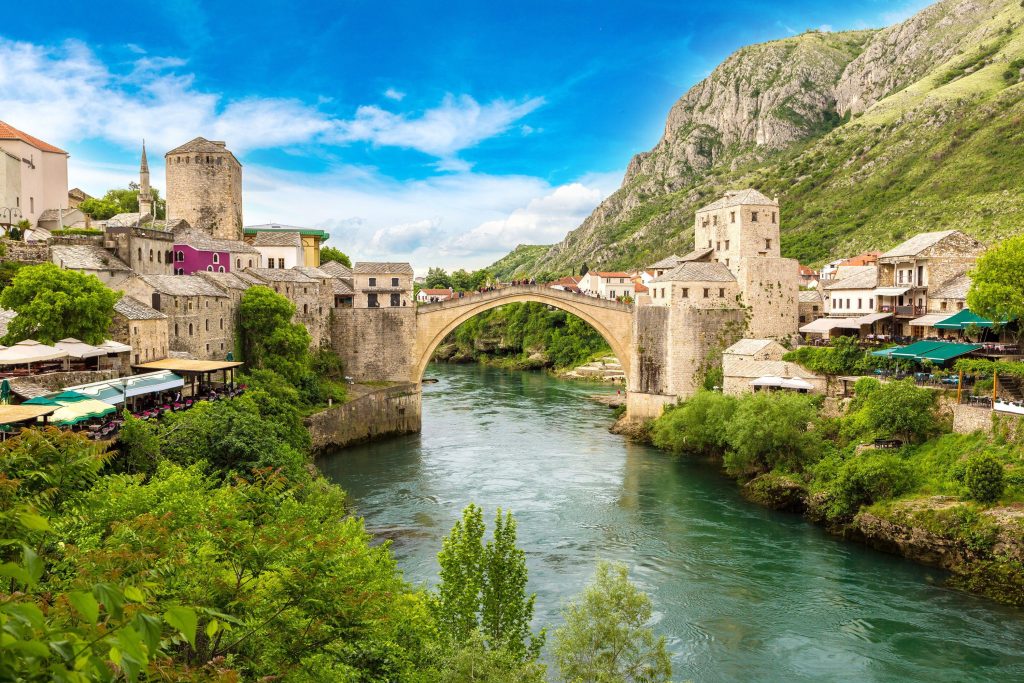
Mostar is famous for its Old Bridge, known locally as Stari Most. The elegant stone bridge crosses the Neretva River and connects the two sides of the city’s historic centre.
The Old Bridge Area of the Old City of Mostar is included on the UNESCO World Heritage List. Reconstructed after its destruction during the 1990s, the bridge has become an international symbol of reconciliation and renewed coexistence.
The surrounding old town contains stone houses, narrow streets, small shops, cafés and traditional restaurants. Visitors can explore both riverbanks, view the bridge from several panoramic locations and visit museums that explain its history.
Mostar also provides a good base for exploring Blagaj, Počitelj, Međugorje and the waterfalls of southern Herzegovina.
Blagaj and the Buna River
Blagaj is located near Mostar at the source of the Buna River. The river emerges beneath a high limestone cliff, creating one of the country’s most recognisable natural and cultural landscapes.
The historic Blagaj Tekke stands beside the water and reflects the spiritual and architectural heritage of the region. Riverside restaurants offer local dishes in a peaceful setting surrounded by rock, water and greenery.
Blagaj is ideal for a half-day visit, but its atmosphere, walking opportunities and surrounding countryside also make it suitable for a longer stay.
Počitelj: A Historic Stone Settlement
Počitelj is a fortified historic settlement overlooking the Neretva Valley. Its stone houses, mosque, clock tower and defensive structures rise along a steep hillside.
Visitors can walk through narrow paths and climb towards the fortress for views across the village and surrounding landscape. Počitelj’s combination of architecture and natural setting makes it particularly attractive to photographers and cultural travellers.
The settlement can easily be included in a route connecting Mostar with southern Herzegovina.
Waterfalls and Rivers
Water is one of Bosnia and Herzegovina’s greatest tourism assets. The country’s rivers and waterfalls support sightseeing, swimming, rafting, kayaking and nature tourism.
Kravica Waterfall is among the best-known attractions in Herzegovina. The Trebižat River descends over a broad natural formation, creating multiple cascades surrounded by vegetation.
In central Bosnia, Jajce is distinguished by a waterfall located close to the historic town centre. The Pliva Lakes and traditional watermills outside the town add to the area’s appeal.
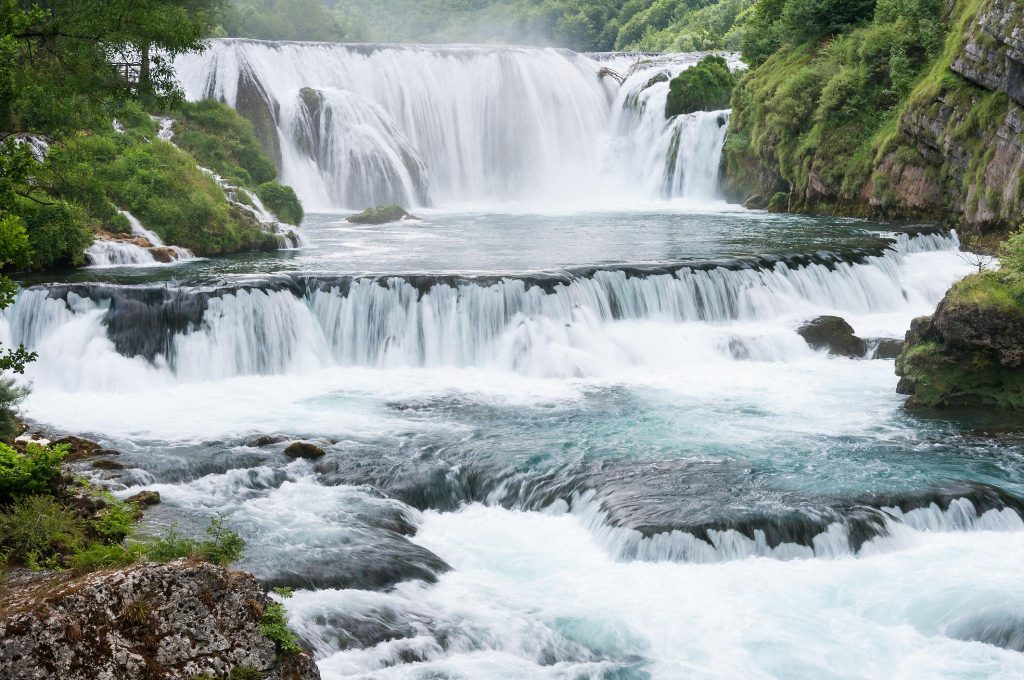
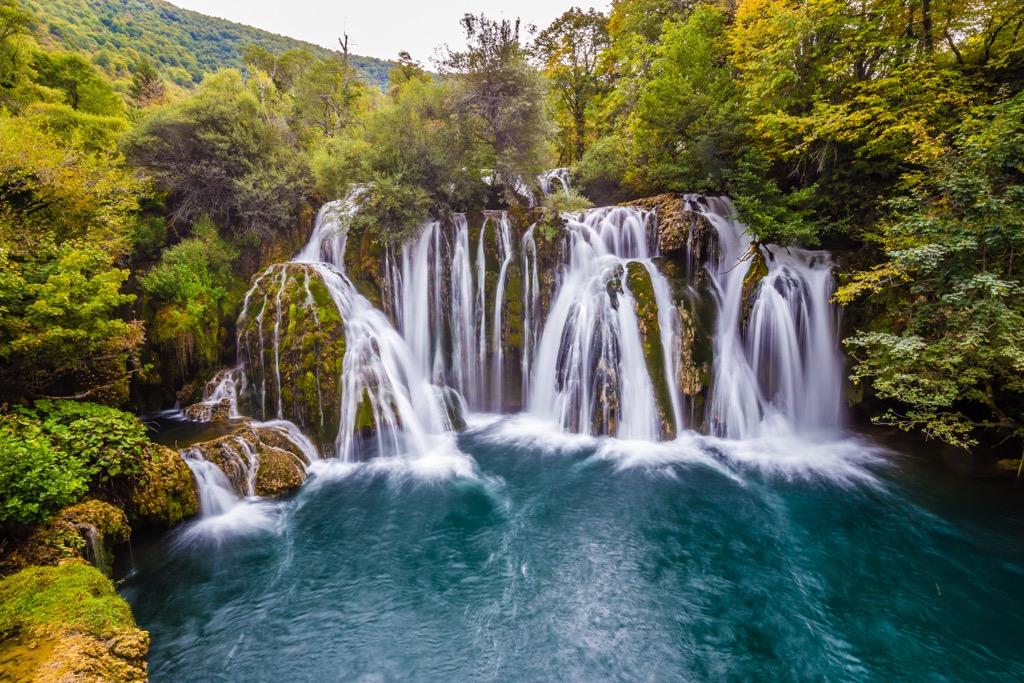
The Una River in western Bosnia and Herzegovina is known for its clear water, rapids and waterfalls. Una National Park protects some of its most impressive landscapes, including the area around Štrbački Buk.
The Neretva, Vrbas, Tara and Una rivers provide excellent conditions for rafting and other water-based adventures.
Una National Park
Una National Park is one of the country’s leading nature destinations. Located in the west, it protects river landscapes, waterfalls, forests and areas of significant biodiversity.
Visitors come for rafting, kayaking, hiking, cycling, photography and peaceful stays in nature. Štrbački Buk and Martin Brod are among the park’s best-known attractions.
The nearby town of Bihać provides accommodation and services for exploring the park. The wider region also has potential for rural tourism, local gastronomy and cross-border itineraries.
Mountains and Adventure Tourism
Bosnia and Herzegovina is largely mountainous, giving it excellent potential for outdoor and adventure tourism.
Popular activities include:
- Hiking and mountaineering
- Mountain biking
- Rafting and kayaking
- Rock climbing
- Paragliding
- Canyoning
- Camping
- Wildlife observation
- Winter sports
The mountains around Sarajevo are particularly accessible. Bjelašnica, Jahorina, Igman and Trebević offer outdoor activities during different seasons.
Other important mountain areas include Prenj, Zelengora, Maglić, Vlašić, Čvrsnica and the mountains of Sutjeska National Park.
Trails vary from easy walks to demanding alpine routes. Travellers entering remote mountain areas should use appropriate equipment, check weather conditions and consider hiring an experienced local guide.
Winter Tourism
The mountains that hosted events during the 1984 Winter Olympics remain central to the country’s winter tourism.
Jahorina and Bjelašnica are the best-known ski destinations, offering ski slopes, accommodation, restaurants and winter activities. Vlašić is another popular mountain resort, particularly among regional visitors and families.
Winter tourism supports hotels, restaurants, equipment rental, ski schools and transport services. Mountain destinations are also increasingly developing summer activities to create more balanced year-round demand.
National Parks and Protected Landscapes
Bosnia and Herzegovina contains several important protected areas.
Sutjeska National Park is home to Maglić, the country’s highest mountain, and Perućica, one of Europe’s remaining primeval forests. The park also includes mountain lakes, forests and the dramatic Sutjeska River canyon.
Kozara National Park combines forest landscapes, walking routes, recreation and important historical memorials. It is easily accessible from the northwestern part of the country.
Drina National Park protects landscapes along the Drina River in eastern Bosnia and Herzegovina, while Hutovo Blato Nature Park is an important wetland and bird habitat in Herzegovina.
These areas create opportunities for eco-tourism, education, wildlife observation and guided outdoor experiences.
UNESCO World Heritage
Bosnia and Herzegovina has several properties on the UNESCO World Heritage List.
The Old Bridge Area of Mostar and the Mehmed Paša Sokolović Bridge in Višegrad represent outstanding examples of historic bridge construction and cultural exchange.
The country also participates in the transnational listing of Stećci Medieval Tombstone Graveyards. These monumental stone tombstones, often decorated with symbolic carvings, can be found at numerous historic sites.
Vjetrenica Cave in Ravno was added to the World Heritage List in 2024 because of its exceptional underground biodiversity and karst features.
Bosnia and Herzegovina also forms part of UNESCO’s transnational property protecting ancient and primeval beech forests.
Together, these places demonstrate the variety of the country’s cultural and natural heritage.
Religious and Spiritual Tourism
The country’s religious diversity is visible in its mosques, churches, monasteries and pilgrimage destinations.
Međugorje attracts large numbers of Catholic pilgrims and religious visitors. Sarajevo, Mostar, Travnik and other towns contain important Islamic, Catholic, Orthodox and Jewish heritage sites.
Historic monasteries, including Tvrdoš near Trebinje and Žitomislić in Herzegovina, provide insight into Orthodox spiritual and cultural traditions.
Visitors should dress appropriately and behave respectfully when entering active places of worship.
Trebinje and Southern Herzegovina
Trebinje is one of the most attractive smaller cities in the country. It is known for its old town, stone architecture, plane trees, vineyards and relaxed Mediterranean atmosphere.
The Trebišnjica River passes through the city, while surrounding hills provide panoramic views. Nearby monasteries, wineries and villages make Trebinje an excellent base for exploring southern Herzegovina.
Its proximity to the Adriatic coast also gives the city potential as part of regional routes connecting Bosnia and Herzegovina, Montenegro and Croatia.
Jajce, Travnik and Central Bosnia
Jajce combines natural and historical attractions in one destination. In addition to its urban waterfall, visitors can explore the medieval fortress, catacombs, historic religious buildings and the nearby Pliva Lakes.
Travnik is known for its Ottoman-era fortress, colourful mosque, traditional neighbourhoods and literary history. The town also offers access to Vlašić Mountain.
Central Bosnia provides opportunities for cultural routes, rural accommodation, hiking and traditional food experiences.
Banja Luka and the Northwest
Banja Luka is the largest city in northwestern Bosnia and Herzegovina. It offers parks, cafés, cultural institutions, historic buildings and access to the Vrbas River.
The surrounding area is particularly attractive for rafting, kayaking, climbing and day trips. Kastel Fortress, located beside the river, is one of the city’s principal landmarks.
Banja Luka can serve as a gateway to Kozara National Park, the Krupa na Vrbasu waterfalls and other destinations in the northwest.
Neum and the Adriatic Coast
Bosnia and Herzegovina has a short coastline centred around the town of Neum. The destination offers seaside accommodation, swimming, boat trips and views across the Adriatic.
Neum is popular among regional visitors and can be combined with journeys through Herzegovina. Its position makes it a useful stop between Mostar, the Neretva Valley and the wider Adriatic region.
Traditional Food and Hospitality
Food is an essential part of the tourism experience in Bosnia and Herzegovina.
Popular dishes include ćevapi, burek and other filled pies, begova čorba, japrak, dolma and slow-cooked meat dishes. Herzegovina is known for wine, cheese, cured meats and Mediterranean-influenced produce.
Traditional desserts such as baklava, tufahija and hurmašica reflect Ottoman culinary influences. Bosnian coffee is served slowly and is closely connected with hospitality and conversation.
Regional differences give travellers a reason to explore beyond the most famous cities. Family restaurants, farms, wineries and rural households can provide some of the most authentic experiences.
Festivals and Cultural Events
Sarajevo hosts internationally recognised film, theatre, music and cultural events. Mostar, Banja Luka, Bihać, Trebinje and other cities also organise concerts, festivals and local celebrations.
Summer programmes often use fortresses, town squares and riverbanks as open-air venues. Food festivals, rafting events and traditional gatherings support tourism in smaller communities.
Visitors planning a trip around a specific event should confirm current dates and accommodation availability in advance.
Growing International Interest
Official tourism statistics show strong international interest in Bosnia and Herzegovina. In May 2026, foreign visitors accounted for 71% of all recorded overnight stays.
The country has considerable potential to develop longer stays by connecting Sarajevo and Mostar with natural attractions, rural communities and lesser-known historic towns.
Improved transport, digital information, professional guiding and coordinated destination promotion could make it easier for visitors to explore several regions during one journey.
A Destination of Remarkable Variety
Bosnia and Herzegovina’s greatest tourism strength is its combination of culture, nature and authentic local life.
Visitors can walk through Sarajevo’s historic bazaar, cross the Old Bridge in Mostar, stand beside the waterfalls of the Una River, raft through a canyon and enjoy traditional food in a family restaurant—all within the same trip.
By protecting its natural landscapes and cultural heritage while improving tourism services, Bosnia and Herzegovina can continue developing as one of Southeast Europe’s most distinctive destinations.
It is a country that rewards curiosity. Travellers who explore beyond its famous landmarks discover welcoming communities, dramatic scenery and a cultural heritage shaped by centuries of exchange.