
The Economic Potential of Bosnia and Herzegovina: Industries, Investment and Opportunities for Growth
Bosnia and Herzegovina has significant economic potential based on its industrial tradition, skilled workforce, natural resources, geographic position and access to regional and European markets.
The country has established capabilities in metal processing, automotive components, wood and furniture production, energy, agriculture, food processing, tourism and information technology. At the same time, growing interest in renewable energy, digital services and sustainable manufacturing is creating opportunities for economic diversification.
Bosnia and Herzegovina still faces structural and administrative challenges, but better infrastructure, investment, education and cooperation between institutions and businesses could unlock considerably stronger development.
A Strategic Position in Southeast Europe
Bosnia and Herzegovina is located between Central Europe, the Adriatic region and the markets of the Western Balkans. It borders Croatia, an EU member state, as well as Serbia and Montenegro.
This position gives companies access to important transport corridors and nearby consumer markets. Road connections lead towards Zagreb, Belgrade, the Adriatic ports and wider European logistics networks.
The country participates in the Central European Free Trade Agreement, which supports trade in goods and services across the region. Preferential trade arrangements and economic links with the European Union provide additional opportunities for export-oriented companies.
Bosnia and Herzegovina’s currency, the convertible mark, is fixed to the euro through a currency-board arrangement. This provides exchange-rate stability for businesses trading with European partners.
Manufacturing and Industrial Experience
Manufacturing is one of the strongest foundations of the economy.
The country inherited considerable industrial knowledge in engineering, metalworking, machinery, energy equipment, construction materials, chemicals, textiles and wood processing. Although parts of this capacity declined during the economic transition, many domestic companies successfully entered European supply chains.
Small and medium-sized manufacturers can often offer flexibility, specialised production and competitive operating costs.
Future development should focus on moving from basic subcontracting towards higher-value products, engineering services, original design and proprietary technology.
Metal Processing
The metal-processing sector is one of Bosnia and Herzegovina’s most established export-oriented industries.
Companies manufacture:
- Automotive components
- Metal structures
- Tools and machinery
- Aluminium and steel products
- Electrical equipment
- Industrial components
- Construction systems
- Furniture hardware
- Defence-related products
- Custom-engineered parts
The country’s tradition in mining, metallurgy and mechanical engineering provides a base of practical knowledge and trained workers.
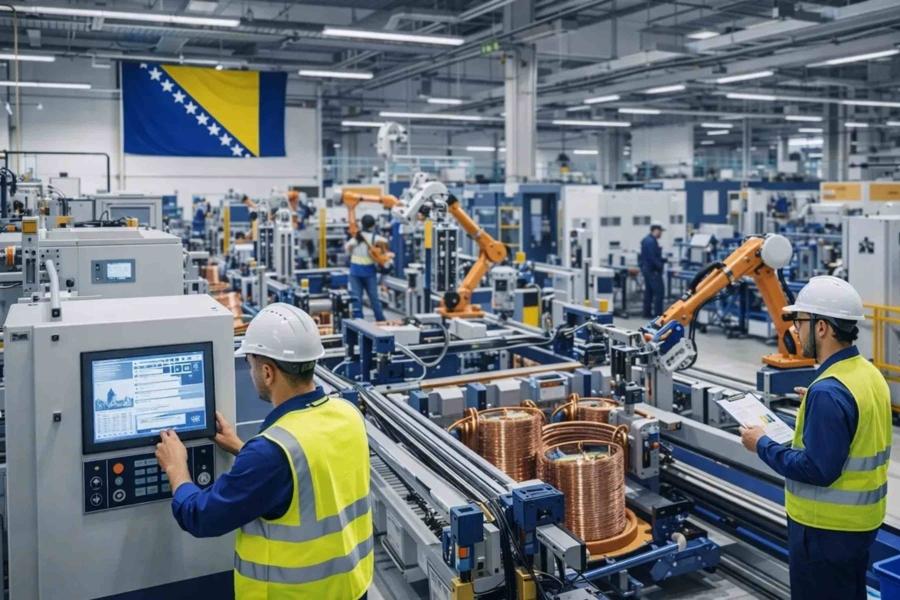
Further growth can come from modern machinery, automation, quality certification and closer cooperation between manufacturers, technical schools and universities.
Instead of exporting mainly raw materials or simple components, companies can create greater value by developing finished products and providing engineering, installation and maintenance services.
Automotive Supply Industry
Bosnia and Herzegovina has become part of the European automotive supply chain.
Domestic companies and foreign-owned manufacturers produce components such as metal parts, wiring systems, filters, interior elements, plastic products, precision components and specialised tools.
The country’s proximity to vehicle manufacturers and suppliers in Central Europe creates opportunities for just-in-time production and regional logistics.
The transition towards electric vehicles will require suppliers to adapt. Businesses capable of producing lightweight materials, electronic components, battery-system parts and precision-engineered products may benefit from new demand.
Quality control, reliable delivery and international certification remain essential for success in this industry.
Wood Processing and Furniture
Forests are among the country’s most valuable natural resources, and Bosnia and Herzegovina has a long tradition of wood processing and furniture production.
Companies manufacture solid-wood furniture, upholstered products, doors, windows, flooring, panels and construction elements. Many businesses already export to European markets.
The greatest opportunity is to create more value locally. Exporting finished furniture, branded products and custom interior solutions generates more income than exporting logs or minimally processed timber.
Sustainable forest management and certification are important for long-term competitiveness. International buyers increasingly require proof that wood comes from legally and responsibly managed sources.
Design, digital sales and stronger branding could help domestic furniture producers move into higher-value market segments.
Energy Resources and Renewable Power
Bosnia and Herzegovina has traditionally relied on coal and hydropower for electricity generation.
Coal remains important for energy production and employment, but ageing facilities, air pollution and climate obligations make gradual transition necessary.
The country has substantial opportunities in:
- Hydropower
- Solar energy
- Wind energy
- Biomass
- Energy efficiency
- District-heating modernisation
- Electricity networks
- Building renovation
Herzegovina has favourable solar conditions, while exposed mountain areas offer wind potential.
Renewable-energy investment can improve energy security and create employment in engineering, construction and maintenance. Projects must nevertheless respect rivers, forests, agricultural land and local communities.
Energy efficiency may provide some of the fastest economic benefits. Renovating homes, public buildings and industrial facilities can reduce energy consumption while supporting construction companies and skilled trades.
Agriculture and Food Processing
Bosnia and Herzegovina has diverse agricultural conditions, ranging from fertile northern plains to mountain pastures and the Mediterranean climate of Herzegovina.
Important activities include:
- Grain and vegetable production
- Fruit growing
- Dairy farming
- Cattle, sheep and poultry production
- Viticulture and winemaking
- Beekeeping
- Medicinal and aromatic plants
- Fish farming
- Organic agriculture
The country produces plums, apples, pears, berries, vegetables, milk, meat and traditional food products.
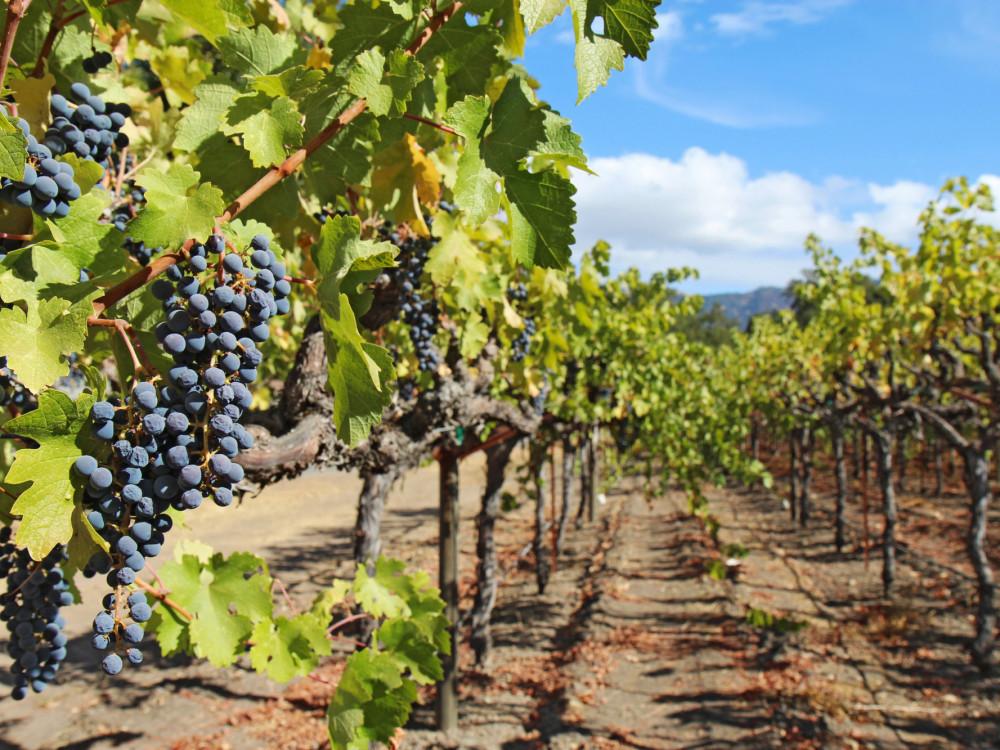
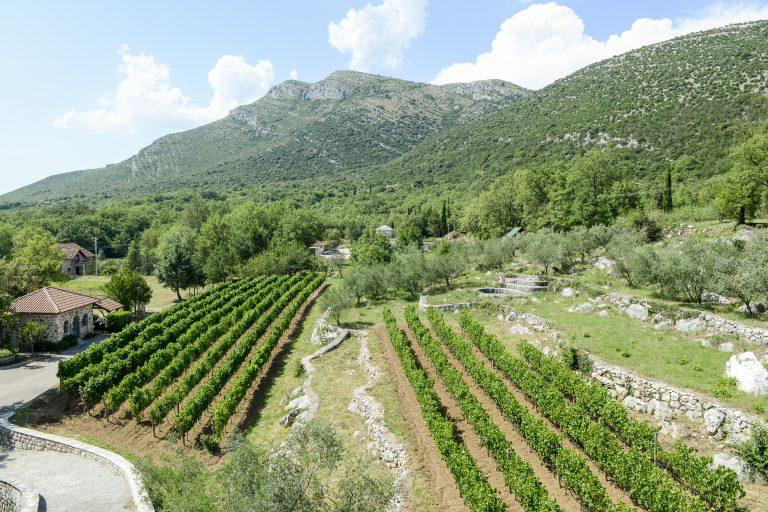
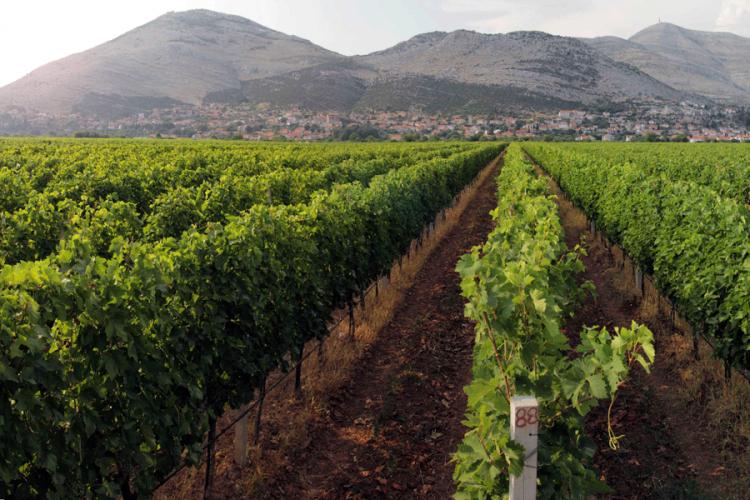
Herzegovina is particularly suitable for grapes, wine, herbs and Mediterranean crops. Local varieties such as Žilavka and Blatina provide opportunities for distinctive regional branding.
The greatest potential lies in processing agricultural products rather than exporting them in raw form. Modern cold storage, packaging, certification and food-safety systems can increase shelf life, quality and export value.
Traditional cheeses, cured meats, honey, preserves and beverages could reach premium markets through protected origin, consistent quality and professional marketing.
Tourism and Hospitality
Tourism is one of the country’s most promising service industries.
Sarajevo and Mostar attract international visitors, while Una and Sutjeska national parks, the mountains around Sarajevo, Međugorje, Trebinje, Jajce, Travnik, Banja Luka and the Neum coastline broaden the offer.
Growth opportunities include:
- Cultural tourism
- Adventure travel
- Winter tourism
- Rural accommodation
- Wellness and spa services
- Religious tourism
- Gastronomy and wine routes
- Conferences and business events
- Eco-tourism
- Regional travel packages
Tourism can stimulate many related businesses, including transport, food production, construction, property management and creative services.
Longer stays and better connections between destinations would increase the economic value of each visitor. Development should preserve historic towns, rivers and natural landscapes rather than weakening the assets that attract travellers.
Information Technology and Business Services
The technology sector has become an important source of skilled employment and export revenue.
Bosnia and Herzegovina has software developers, engineers, designers and digital professionals working for domestic companies, international employers and foreign clients.
Opportunities include:
- Software development
- Cybersecurity
- Data analysis
- Cloud services
- Digital marketing
- Graphic and product design
- Customer support
- Financial technology
- E-commerce
- Business-process outsourcing
Relatively small technology companies can reach global markets without large physical infrastructure. This makes digital services especially valuable for a country with limited domestic demand.
The principal challenge is retaining skilled workers. Competitive salaries, modern management, stronger universities and better links between education and business are necessary to reduce the loss of talent.
Construction and Real Estate
Housing, commercial development, tourism projects and public infrastructure support demand for construction services.
The sector creates opportunities for architects, engineers, tradespeople, material producers and equipment suppliers.
Energy-efficient renovation represents a particularly important market. Much of the existing building stock could benefit from insulation, modern windows, efficient heating and renewable-energy systems.
Real estate can attract investment, but growth should follow transparent planning rules. Uncontrolled construction can overload infrastructure and reduce the environmental and cultural value of a destination.
Transport and Logistics
Improved transport infrastructure is essential for economic growth.
Road and railway modernisation can reduce delivery times, connect industrial centres and improve access to European markets. More efficient border procedures would also help exporters.
Airports in Sarajevo, Banja Luka, Tuzla and Mostar support tourism, passenger mobility and selected cargo opportunities.
The country’s short coastline at Neum does not provide a major commercial port, so businesses depend heavily on road and rail access to regional ports.
Logistics centres, warehousing, cold-storage facilities and digital customs services could strengthen Bosnia and Herzegovina’s position within regional supply chains.
Small and Medium-Sized Enterprises
Small and medium-sized enterprises are central to employment and local development.
They operate across manufacturing, retail, tourism, construction, transport, agriculture and professional services. Many are family businesses with strong technical knowledge but limited access to finance, export markets and modern technology.
Support for digitalisation, quality standards, employee training and international promotion can improve their competitiveness.
Cooperation between smaller companies can also help them fulfil larger orders and enter complex supply chains.
Foreign Investment Opportunities
The Foreign Investment Promotion Agency identifies manufacturing, energy, information technology, tourism, agriculture, metal processing and infrastructure among the country’s principal investment sectors.
Foreign investment can provide:
- Capital
- Modern technology
- Access to new markets
- Management knowledge
- Professional training
- Integration into international supply chains
Production equipment that meets applicable conditions may qualify for exemptions from import duties, according to investment rules presented by FIPA.
Investors should nevertheless examine the specific legal, tax, labour and administrative requirements in the jurisdiction where a project will operate. Bosnia and Herzegovina has several levels of government, and procedures can vary between locations.
Professional legal, accounting and technical due diligence is essential.
Trade and Export Potential
Bosnia and Herzegovina’s domestic market is relatively small, making exports particularly important.
The country exported goods valued at approximately KM 16.97 billion in 2025, while imports were substantially higher. This trade deficit demonstrates both a challenge and an opportunity to replace selected imports with competitive domestic production.
Established export categories include metals, machinery, electrical equipment, furniture, wood products, textiles, footwear and food products.
Greater export value can be achieved through:
- More finished products
- Original brands
- International certification
- Improved packaging
- Digital sales
- Research and development
- Reliable logistics
- Stronger market intelligence
Companies should compete on quality, flexibility and specialised knowledge rather than relying only on lower costs.
Workforce and Education
The country has a tradition of technical, engineering and vocational education. Its workforce includes skilled metalworkers, technicians, engineers, craftspeople, medical professionals and technology specialists.
However, emigration and demographic decline have created shortages in some occupations.
Businesses increasingly need welders, electricians, machinists, software developers, drivers, construction workers, healthcare professionals and hospitality employees.
Education programmes should respond more quickly to labour-market demand. Apprenticeships, practical training and cooperation between employers and schools can help young people acquire relevant skills.
Improved working conditions and clearer career opportunities are essential for retaining talent.
The Diaspora as an Economic Resource
The Bosnian and Herzegovinian diaspora represents a major development opportunity.
People living abroad contribute through remittances, but their potential extends much further. They possess capital, international networks, technical knowledge and access to foreign markets.
Diaspora entrepreneurs can invest in domestic companies, create export partnerships, mentor local founders and transfer professional standards.
More transparent investment procedures and better communication with diaspora communities could transform personal connections into long-term business development.
Challenges to Faster Growth
Bosnia and Herzegovina’s economic potential is constrained by several persistent problems:
- Complex administration
- Slow procedures
- Legal uncertainty
- Fragmented regulations
- Political instability
- Corruption risks
- Weak transport infrastructure
- Skills shortages
- Emigration
- Limited research and development
- Environmental degradation
- A large informal economy
These challenges increase costs and discourage investment.
Reforms that simplify procedures, strengthen the rule of law and improve transparency would benefit domestic entrepreneurs as much as foreign investors.
The Green and Digital Transition
The transition towards cleaner production and digital business models could become a major source of growth.
Manufacturers will need to reduce energy use and document the environmental impact of their products to remain competitive in European markets.
Solar power, energy-efficient buildings, recycling, waste management and cleaner transport can create new industries and jobs.
Digital public services can reduce administrative costs, while automation and modern software can improve industrial productivity.
Companies that adapt early will be better positioned as European environmental and supply-chain requirements become stricter.
A Strong Foundation for Future Development
Bosnia and Herzegovina has the resources required for a more dynamic economy: industrial experience, natural wealth, skilled people, competitive companies and access to regional markets.
Its greatest opportunities lie in adding more value to what it already produces.
Wood can become branded furniture. Agricultural products can become premium food. Metal can become specialised equipment. Natural landscapes can support sustainable tourism, while engineering talent can create digital products for global clients.
The country’s economic potential will not be realised through one industry alone. Growth will depend on connecting manufacturing, energy, agriculture, tourism, technology, education and infrastructure.
With consistent reforms, responsible investment and stronger support for productive businesses, Bosnia and Herzegovina can build a more competitive, sustainable and export-oriented economy.