Tag: Bosnia and Herzegovina

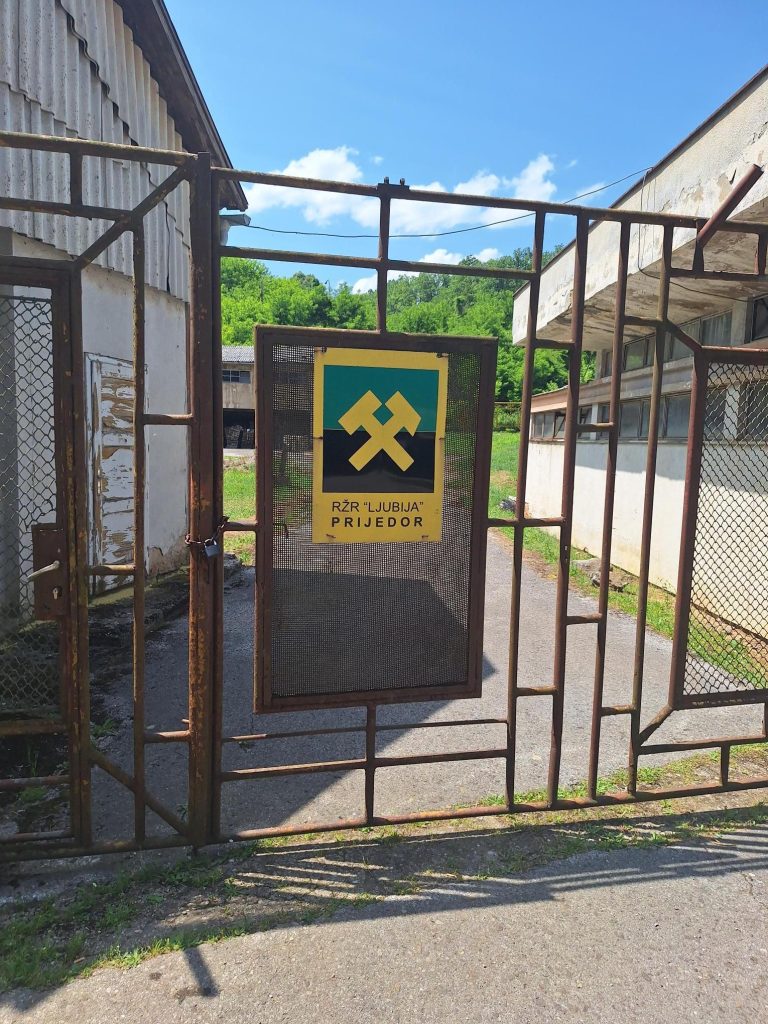
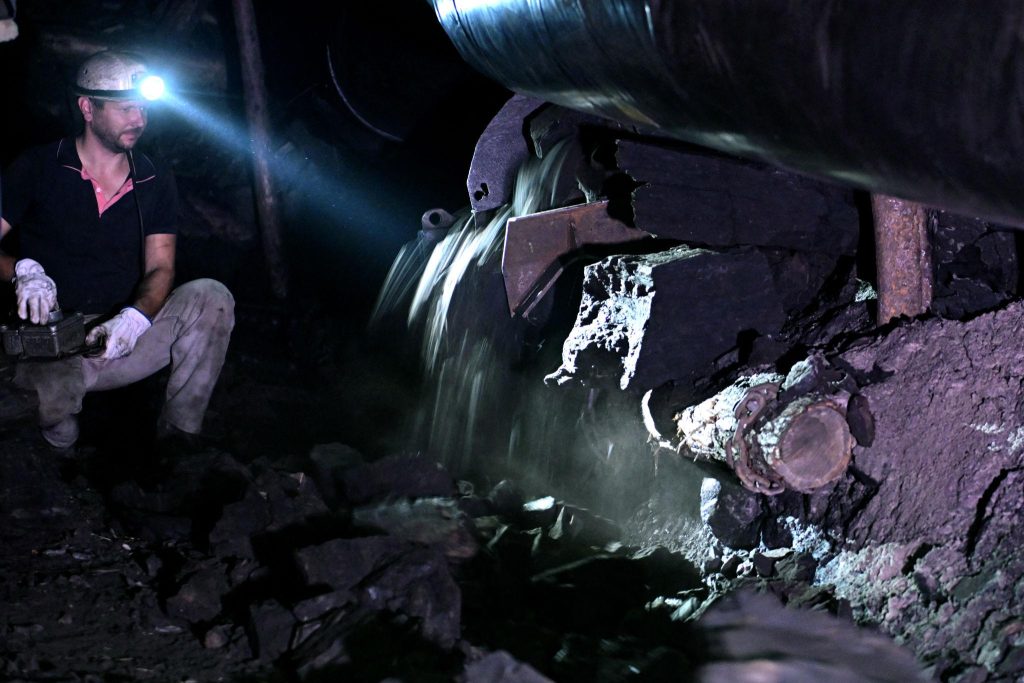
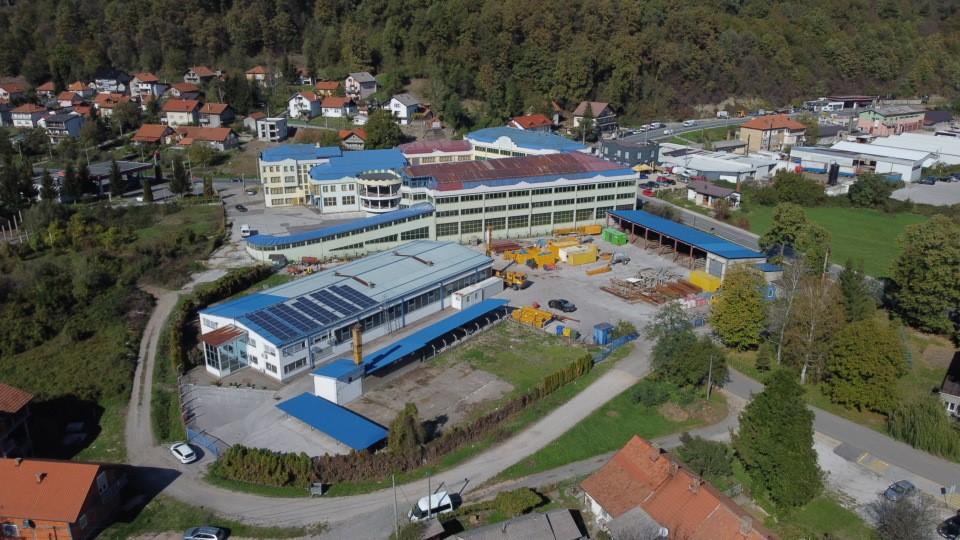
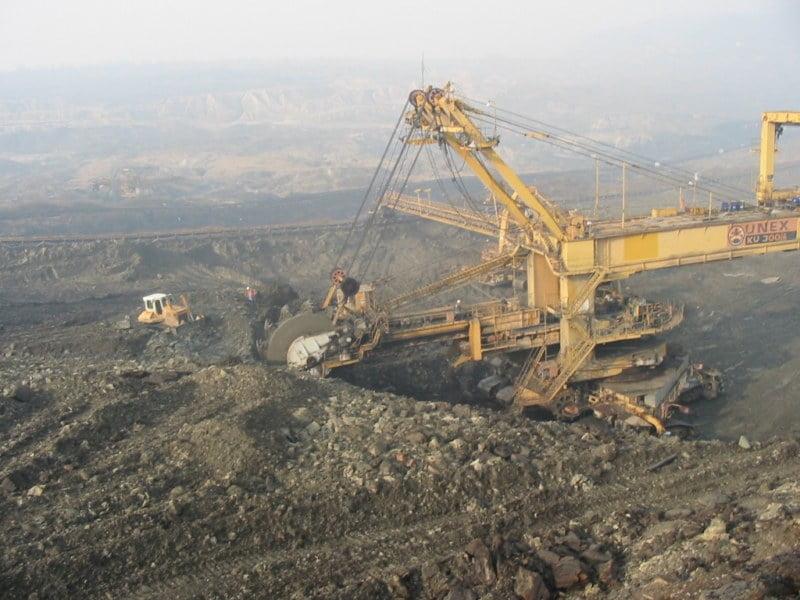
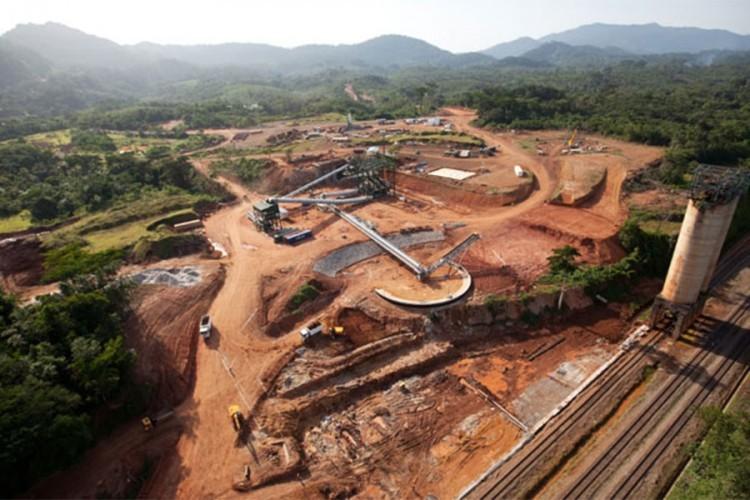
Open-pit iron-ore mine near Prijedor in Bosnia and Herzegovina

The Mineral Wealth of Bosnia and Herzegovina: Resources, Industry and Future Potential

Bosnia and Herzegovina has a long mining tradition supported by diverse geological formations and deposits of coal, iron ore, bauxite, lead, zinc, salt and various industrial minerals.

Mining contributed to the development of towns, railway networks, power generation, metal processing and manufacturing. Communities such as Tuzla, Zenica, Kakanj, Banovići, Prijedor, Gacko and Ugljevik have been closely connected with the extraction or processing of mineral resources.

According to the U.S. Geological Survey, minerals produced in Bosnia and Herzegovina in 2024 included coal, iron ore, bauxite, lead, zinc, silver, bentonite, gypsum, salt, kaolin, limestone, sand, gravel and construction stone.

These resources remain economically important, but their future must be considered alongside environmental standards, technological modernisation and the global transition towards cleaner energy and more responsible production.
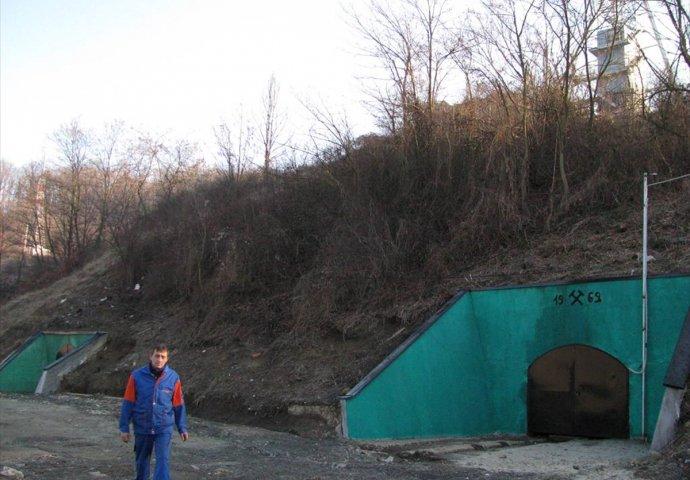
A Long Tradition of Mining

Mining in the territory of modern Bosnia and Herzegovina dates back to ancient times. The Romans extracted metals, while medieval mining settlements became known for silver, lead, copper and iron production.

Saxon miners were invited to the medieval Bosnian state because of their specialised knowledge. Their work contributed to the development of mining centres, trade routes and local economies.

During the Austro-Hungarian period, mining and industrial production expanded significantly. New railways connected mines with processing facilities and external markets. Coal, iron and salt became particularly important for the country’s industrialisation.

Large mines and factories continued to develop during the twentieth century, when Bosnia and Herzegovina became an important centre of the former Yugoslav mining, metallurgical and energy industries.

Coal and Lignite

Coal is one of Bosnia and Herzegovina’s most significant mineral and energy resources. Deposits of lignite and brown coal have supported thermal power plants, industrial facilities and district-heating systems.

Important coal-mining areas include:

  • Tuzla and the Kreka basin
  • Banovići
  • Kakanj
  • Breza
  • Zenica
  • Đurđevik
  • Gacko
  • Ugljevik
  • Stanari

Coal mining provides employment and supports other businesses in these communities. It has also contributed to domestic energy production and reduced dependence on imported electricity.

However, the sector faces serious challenges. Many mines require modernisation, productivity improvements and stronger occupational-safety measures. Coal combustion is a major source of greenhouse-gas emissions and air pollution, while mining can affect soil, groundwater and nearby settlements.

As Europe moves towards lower-carbon energy, Bosnia and Herzegovina will need to gradually transform coal-dependent regions. This process should include worker retraining, economic diversification, social protection and the environmental rehabilitation of former mining sites.

Iron Ore

The area around Prijedor has historically been the centre of iron-ore extraction in Bosnia and Herzegovina.

Ljubija, Omarska and Tomašica are associated with a wider ore-bearing region that has supplied raw material for steel production. The Zenica steel industry was historically one of the principal users of domestically mined iron ore.

Iron ore supported the development of heavy industry, engineering, transport and construction. It also created employment in mining, processing and railway logistics.

The future of iron-ore production depends on commercially viable reserves, market conditions, investment and the relationship between domestic mines and metal-processing facilities.

Instead of exporting only raw ore, greater economic value can potentially be created through processing, manufacturing and the production of finished metal goods.

Bauxite and Aluminium

Bosnia and Herzegovina has deposits of bauxite, the principal ore used in aluminium production.

Bauxite resources are located primarily in western and southern parts of the country, including areas of Herzegovina and western Bosnia. Extraction has historically supported alumina and aluminium-related industries.

Aluminium is important for transport, construction, energy systems, packaging and modern manufacturing. Demand is also connected with renewable-energy infrastructure and electric vehicles.

Bauxite mining can nevertheless cause significant changes to the landscape. Open pits, access roads and waste material must be properly managed. Operators should restore mined land and protect groundwater, agricultural areas and natural habitats.

The long-term value of bauxite lies not only in extraction, but also in creating efficient and environmentally responsible processing and manufacturing chains.

Lead, Zinc and Silver

Deposits containing lead, zinc and silver occur in several parts of Bosnia and Herzegovina.

The Vareš region has a particularly long mining history and has attracted renewed interest in polymetallic deposits. Olovo is traditionally associated with lead, as reflected in the town’s name, while other deposits and historical workings are found across central and eastern parts of the country.

Lead and zinc have numerous industrial uses. Zinc protects steel from corrosion and is important for construction, vehicles and infrastructure. Lead is used in batteries and specialised industrial products, although its environmental and health risks require strict controls.

Silver may occur together with other metal ores and can improve the economic value of a deposit.

Modern polymetallic mining requires advanced processing, continuous water monitoring, secure tailings management and clear plans for closure and land rehabilitation.

Salt: The Resource That Shaped Tuzla

Tuzla owes much of its identity and historical development to salt.

The city’s name is connected with the Turkish word tuz, meaning salt. Saltwater deposits beneath the area were used from prehistoric times, and industrial production expanded during the Austro-Hungarian period.

Salt became the foundation for chemical and food-processing industries. It is used in food production, water treatment, pharmaceuticals, road maintenance and numerous industrial processes.

Historic extraction also contributed to ground subsidence in parts of Tuzla, demonstrating how resource exploitation can reshape an urban environment.

Today, the city presents its salt heritage through museums and the Pannonian Lakes. The lakes are an interesting example of transforming a former industrial and subsidence-affected area into a recreational and tourism resource.

Industrial Minerals

Bosnia and Herzegovina also possesses a wide variety of non-metallic and industrial minerals.

These include:

  • Limestone
  • Dolomite
  • Gypsum
  • Clay
  • Kaolin
  • Bentonite
  • Quartz materials
  • Decorative and construction stone
  • Sand and gravel

Limestone is used in cement, lime, metallurgy and construction. Clay supports brick, tile and ceramic production, while gypsum is used in plaster and building materials.

Bentonite has applications in construction, drilling, foundries and environmental protection. Stone, sand and gravel are essential for roads, buildings and infrastructure.

Although individual industrial minerals may attract less public attention than metals or coal, they are vital to the construction sector and domestic manufacturing.

Extraction should follow spatial plans and environmental requirements, particularly when quarries are located near settlements, agricultural land, rivers or protected landscapes.

Potential Critical Minerals

Growing international demand for minerals used in batteries, renewable-energy technologies and digital equipment has increased exploration interest across Europe.

Parts of Bosnia and Herzegovina have attracted attention for potential lithium, boron and other mineralisation. However, exploration indications should not be presented as confirmed commercially recoverable reserves.

A mineral deposit becomes economically viable only after extensive geological research, resource estimation, technical studies, environmental assessment and financial analysis.

Projects involving potential critical minerals can create investment and employment, but they may also raise concerns about water, agricultural land, waste and community health.

Decisions should be based on transparent scientific evidence, public consultation and a clear assessment of long-term benefits and risks.

Mining and Metal Processing

The greatest economic value from mineral resources is created when extraction is connected with processing and manufacturing.

Bosnia and Herzegovina has experience in:

  • Steel and ferroalloy production
  • Aluminium processing
  • Metal components
  • Construction materials
  • Cement and lime
  • Soda and chemical products
  • Engineering and machinery
  • Export-oriented metal manufacturing

Processing raw materials domestically can create more skilled jobs, encourage technology transfer and increase export value.

Older facilities, however, may require modern environmental controls, improved energy efficiency and investment in cleaner production. Competitiveness will increasingly depend on carbon emissions, product traceability and compliance with European standards.

Employment and Regional Development

Mining operations are often located in areas with limited alternative employment. A mine can support not only direct workers but also transport companies, equipment suppliers, maintenance services, retailers and municipal revenue.

This makes mining economically important, but it can also create dependence on a single employer or resource.

Communities should use mining-related income to diversify their economies, improve education and support new businesses. Planning for mine closure should begin long before extraction ends.

Without advance planning, the closure of a mine can lead to unemployment, population decline and abandoned industrial land.

Environmental and Health Risks

Mining can create serious environmental consequences if it is not properly regulated and managed.

Potential risks include:

  • Contamination of rivers and groundwater
  • Dust and air pollution
  • Soil degradation
  • Deforestation and habitat loss
  • Noise and heavy traffic
  • Unstable waste deposits
  • Tailings-dam failure
  • Ground subsidence
  • Abandoned pits and underground workings
  • Long-term health risks for workers and residents

Environmental assessments must examine the complete life cycle of a project—from exploration and construction to operation, closure and rehabilitation.

Mining companies should provide financial guarantees for restoration so that environmental costs are not transferred to citizens after a project ends.

Modernising the Mining Sector

The future of mining in Bosnia and Herzegovina will depend on technology, transparency and responsible governance.

Modern equipment can improve productivity and worker safety. Digital geological modelling, automated monitoring and better ore-processing technology can reduce waste and energy consumption.

Publicly accessible information about concessions, ownership, production, environmental permits and payments can strengthen trust.

Effective inspections and consistent enforcement are equally important. Environmental rules have little value if violations are not detected or sanctioned.

Recycling and the Circular Economy

Future mineral supply will not depend only on opening new mines. Recycling metals from vehicles, machinery, buildings, batteries and electronic waste can reduce demand for primary raw materials.

Bosnia and Herzegovina has opportunities to develop businesses in:

  • Metal recycling
  • Electronic-waste processing
  • Battery collection
  • Recovery of construction materials
  • Industrial by-product reuse
  • Repair and remanufacturing

Mining waste and old industrial sites may also contain usable materials, although any recovery project requires detailed technical and environmental analysis.

A circular economy can create employment while reducing pressure on natural landscapes.

Balancing Wealth and Responsibility

The mineral wealth of Bosnia and Herzegovina has helped build cities, industries and energy systems. Coal, iron ore, bauxite, salt, lead, zinc and industrial minerals remain valuable economic resources.

Their presence alone, however, does not guarantee prosperity.

Long-term benefits depend on responsible extraction, domestic processing, safe working conditions, transparent public revenue and environmental restoration. Communities located near mines should participate in decisions and receive a fair share of the economic benefits.

Bosnia and Herzegovina has an opportunity to modernise its traditional mining sector while preparing for a cleaner and more diversified economy.

The true value of its mineral wealth will be measured not only by the quantity extracted, but also by the quality of jobs created, the environment preserved and the lasting benefits provided to future generations.

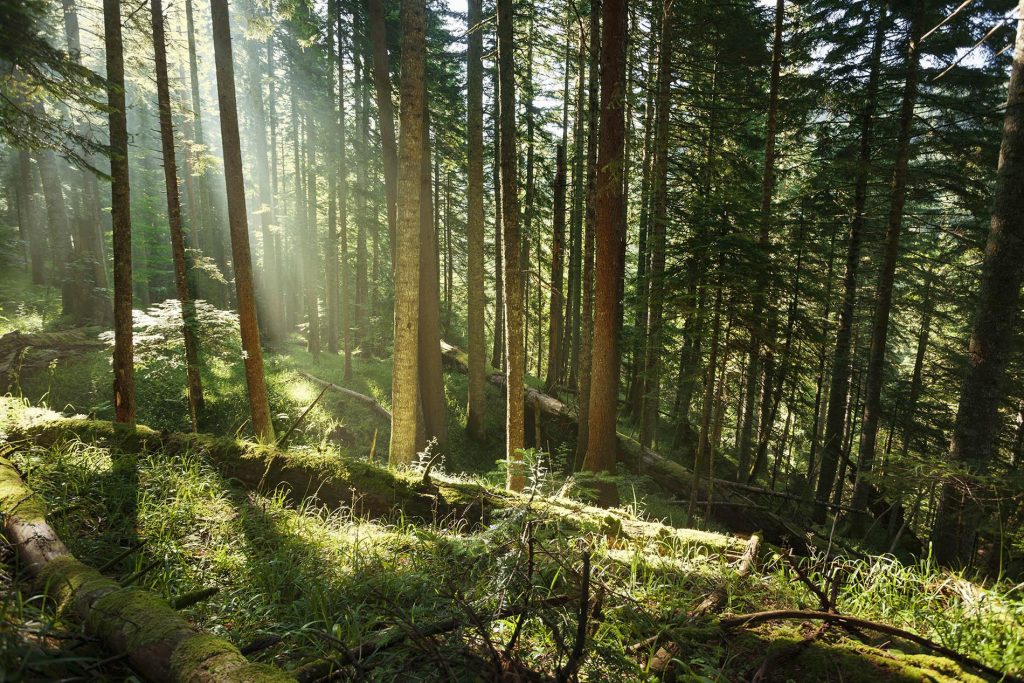
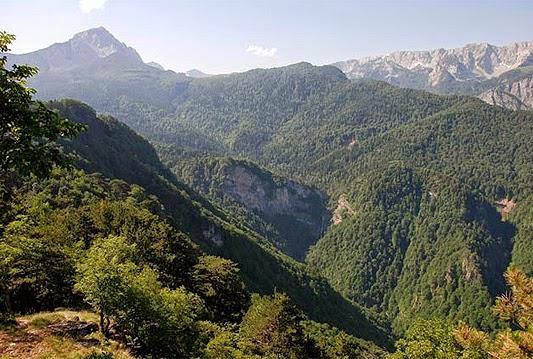
Dense forest landscape in Perućica Bosnia and Herzegovina

Natural Resources of Bosnia and Herzegovina: Potential, Economic Value and Sustainable Development

Bosnia and Herzegovina possesses a diverse collection of natural resources shaped by its mountains, forests, river systems, fertile valleys and complex geology.

Forests cover a substantial part of the country, while rivers provide drinking water, natural habitats and hydroelectric potential. Agricultural land supports crop production, livestock farming, fruit growing and viticulture. The country also has deposits of coal, iron ore, bauxite, lead, zinc, salt and industrial minerals.

These resources have supported communities and industries for generations. Their future value, however, will depend on responsible management, environmental protection and the ability to transform raw materials into sustainable economic opportunities.

Forests and Timber Resources

Forests are among Bosnia and Herzegovina’s most important natural assets. European Environment Agency data indicate that forests covered approximately 42.1% of the country’s land area in 2020.

The country’s varied altitude and climate support beech, oak, fir, spruce, pine and other tree species. Forests provide raw material for timber processing, furniture manufacturing, construction, paper production and biomass energy.

The wood-processing and furniture industries have considerable development potential because they can create more value than the export of unprocessed timber. Modern production, responsible certification and better design can help domestic companies compete in international markets.

Forests also perform essential environmental functions. They store carbon, protect soil from erosion, regulate water flows and provide habitats for wildlife.

Perućica, located within Sutjeska National Park, is one of Europe’s remaining primeval forests. Its old trees, waterfalls and largely undisturbed ecosystems demonstrate the ecological value of Bosnia and Herzegovina’s forest heritage.

Illegal logging, forest fires, pests and inadequate management can threaten this resource. Long-term forestry policies must therefore balance timber production with regeneration, biodiversity protection and the needs of local communities.

Rivers and Freshwater

Bosnia and Herzegovina has an extensive network of rivers, springs, lakes and underground water systems.

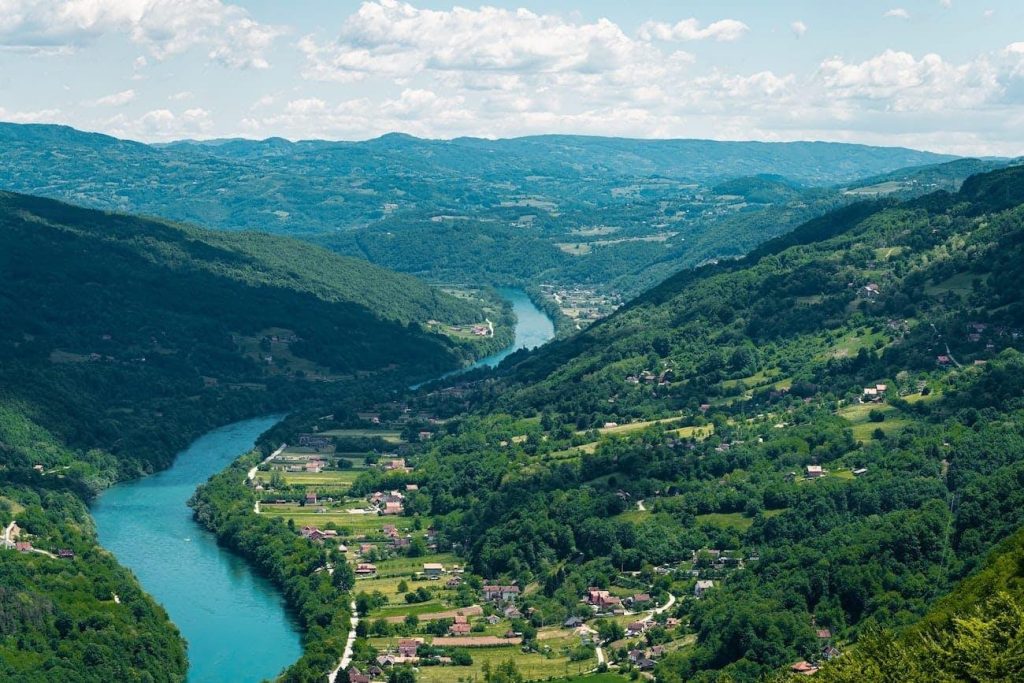
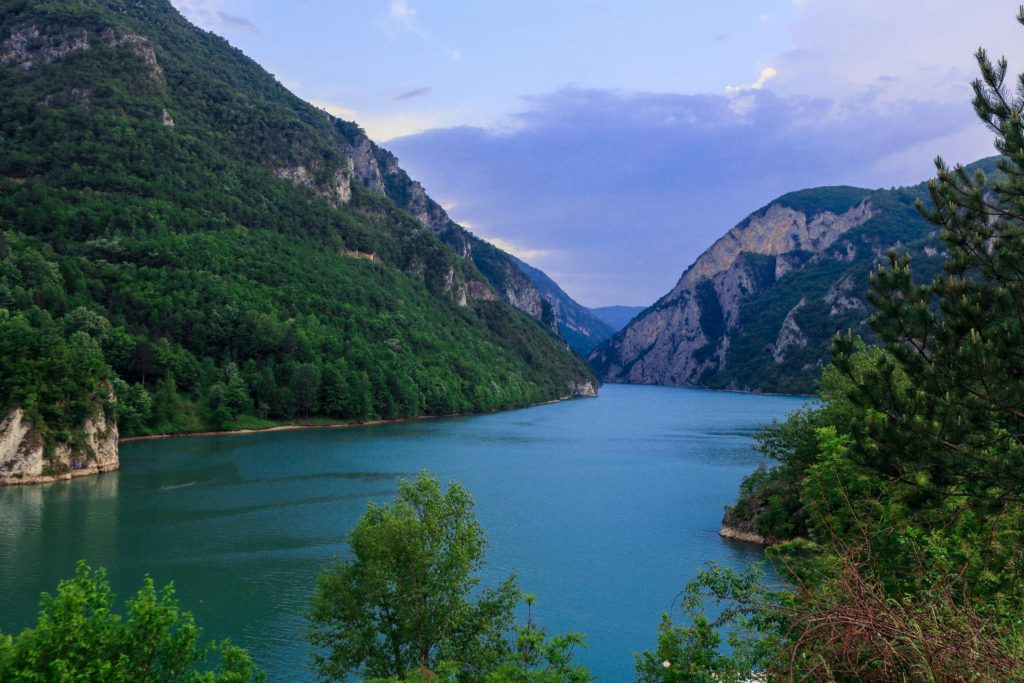
The Sava, Drina, Una, Vrbas, Bosna, Neretva and Trebišnjica are among its most important rivers. These waterways supply settlements and agriculture, support industry and provide habitats for fish, birds and other wildlife.

The Una is known for clear water, rapids and waterfalls. The Neretva flows through dramatic canyons and agricultural areas before reaching the Adriatic Sea. The Drina forms part of the country’s eastern border, while the Sava connects Bosnia and Herzegovina with the wider Danube basin.

Freshwater resources support:

  • Public water supply
  • Agriculture and irrigation
  • Electricity generation
  • Fisheries
  • Industry
  • Tourism and recreation
  • Biodiversity and natural habitats

Protecting water quality is essential. Untreated wastewater, industrial pollution, illegal landfills and plastic waste can damage rivers and affect communities far downstream.

Climate change also increases the risk of droughts, extreme rainfall and floods. Sustainable water management requires cooperation across municipalities, administrative boundaries and neighbouring countries.

Hydropower Potential

The country’s mountainous terrain and river systems provide significant hydropower potential.

Large hydroelectric plants already contribute to domestic electricity production, while additional projects have often been proposed for smaller rivers and tributaries.

Hydropower can provide renewable electricity, energy-system flexibility and reduced dependence on imported fuels. However, dams can also alter natural river flows, block fish migration, affect sediment movement and damage habitats.

Small hydropower plants have generated particular public concern in several communities. Although described as renewable-energy projects, their cumulative effects can be substantial when many facilities are constructed on ecologically sensitive rivers.

Future development should be based on transparent environmental assessments, protection of high-value river ecosystems and careful comparison with less damaging alternatives such as solar power, wind energy and energy efficiency.

Coal and the Energy Transition

Bosnia and Herzegovina has substantial reserves of lignite and brown coal. Coal mining has historically supported electricity generation, industry and employment in areas such as Tuzla, Kakanj, Zenica, Banovići, Ugljevik and Gacko.

Coal remains an important part of the country’s energy system, but it also creates serious environmental and economic challenges. Coal-fired electricity generation contributes to air pollution and greenhouse-gas emissions, while older mines and power plants require significant investment.

The global transition towards lower-carbon energy creates uncertainty for coal-dependent communities. Closing mines without a social and economic plan could affect thousands of workers and local businesses.

A just transition should therefore include:

  • Worker retraining
  • Environmental rehabilitation of former mines
  • Investment in replacement industries
  • Renewable-energy projects
  • Support for small businesses
  • Modernisation of affected municipalities
  • Social protection for workers and families

Former mining land may eventually be used for solar facilities, industry, recreation or other productive purposes, depending on local conditions and environmental remediation.

Solar, Wind and Geothermal Energy

Bosnia and Herzegovina has strong potential to increase electricity generation from solar and wind resources.

Herzegovina has particularly favourable solar conditions, while exposed mountain areas may be suitable for wind-energy projects. Existing wind farms demonstrate that commercial wind generation is possible, and interest in new solar facilities has grown.

Renewable-energy development can reduce emissions, diversify electricity production and create opportunities in construction, engineering, equipment maintenance and professional services.

However, renewable projects also require proper spatial planning. Large solar or wind facilities should not unnecessarily occupy valuable agricultural land, damage important habitats or create conflicts with local communities.

The country also has thermal and mineral springs that may support geothermal heating, healthcare, wellness tourism and local energy solutions.

Mineral Resources

Bosnia and Herzegovina has a long history of mining and metal processing.

Mineral commodities produced in the country include:

  • Coal and lignite
  • Iron ore
  • Bauxite
  • Lead and zinc
  • Silver
  • Bentonite
  • Gypsum
  • Salt
  • Kaolin
  • Limestone
  • Sand, gravel and construction stone

Iron ore and metal processing have played important roles in the industrial development of areas such as Prijedor and Zenica. Bauxite has supported aluminium-related production, while salt extraction is historically associated with Tuzla.

Limestone, clay, gypsum, sand and gravel are important for cement, brick, road and construction-material production.

Mineral resources can attract investment and create employment, but mining projects can also affect water, soil, forests and nearby settlements. Modern operations require environmental safeguards, worker protection, community consultation and clear plans for restoring land after extraction.

The economic objective should be to create greater domestic value through responsible processing and manufacturing rather than relying exclusively on raw-material exports.

Agricultural Land

Bosnia and Herzegovina’s agricultural resources vary considerably between regions.

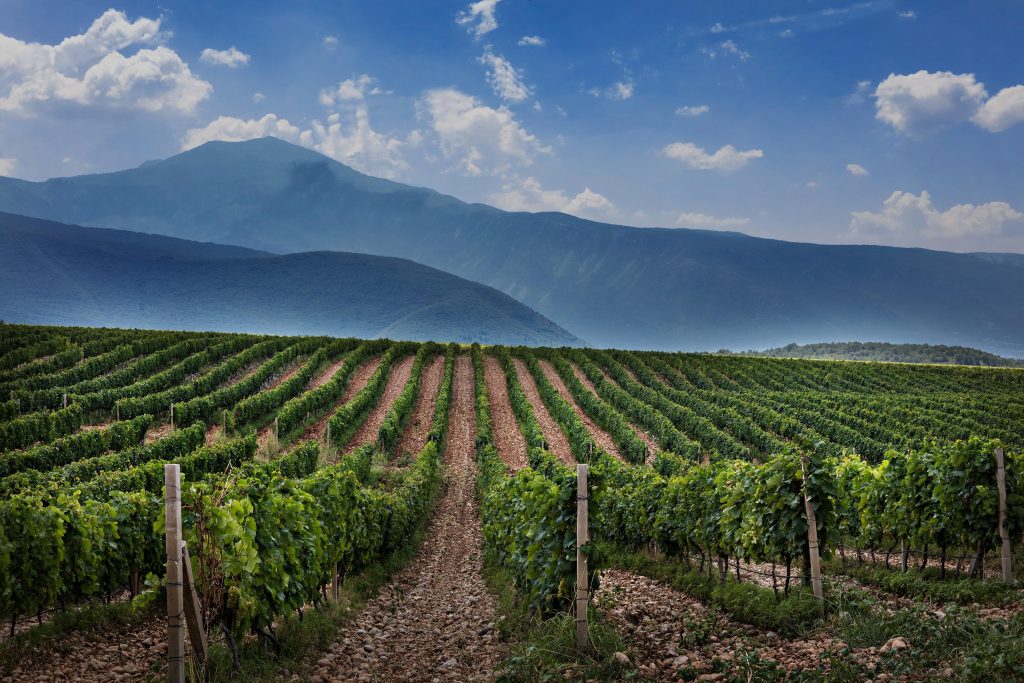
The plains and river valleys of the north are suitable for cereals, maize, vegetables and livestock production. Central regions support dairy farming, fruit production and mixed agriculture, while Herzegovina’s warmer climate favours grapes, Mediterranean herbs, vegetables and certain fruit crops.

Important agricultural activities include:

  • Cereal and vegetable production
  • Dairy farming
  • Cattle and sheep breeding
  • Poultry production
  • Fruit growing
  • Viticulture and winemaking
  • Beekeeping
  • Medicinal and aromatic plants
  • Fish farming

Plums, apples, pears, berries and other fruits have strong connections with traditional food production. Herzegovina has a long winemaking tradition, including regional grape varieties such as Žilavka and Blatina.

Small farms dominate many rural areas. Better irrigation, storage, processing, certification and access to markets could help them increase productivity and income.

At the same time, soil erosion, floods, drought, fragmented land ownership and abandoned farmland create serious challenges. According to the Food and Agriculture Organization, a substantial share of the country’s land is affected by degradation.

Biodiversity

Bosnia and Herzegovina lies at the meeting point of Mediterranean, continental and mountain ecosystems. This geographic position has created rich biological diversity and numerous endemic and rare species.

Its ecosystems include:

  • Mountain forests
  • Alpine meadows
  • Karst fields
  • Caves and underground waters
  • River canyons
  • Wetlands
  • Mediterranean landscapes
  • Agricultural habitats

Large mammals include brown bears, wolves and lynx, while rivers support important fish populations. Wetlands such as Hutovo Blato provide habitat for migratory and resident birds.

Vjetrenica Cave, recognised as a UNESCO World Heritage Site in 2024, is especially important for underground biodiversity and karst science.

Bosnia and Herzegovina has designated national parks, nature parks and other protected areas. Nevertheless, the total protected territory remains limited compared with the country’s ecological richness.

Expanding effective conservation and connecting protected habitats would benefit wildlife, water protection, tourism and climate resilience.

Medicinal Plants, Mushrooms and Wild Products

Forests and mountain meadows provide medicinal and aromatic plants, mushrooms, berries and other non-timber products.

Local communities have traditionally collected herbs, forest fruits and mushrooms for household use and sale. With responsible harvesting and quality control, these resources can support small businesses producing teas, essential oils, cosmetics, natural remedies and specialty foods.

Organic certification, professional packaging and reliable traceability could increase their market value.

Uncontrolled collection, however, can place pressure on sensitive species. Commercial harvesting should follow scientific guidance and applicable regulations.

Natural Resources and Tourism

Many of Bosnia and Herzegovina’s natural resources also form the basis of its growing tourism industry.

Rivers support rafting and kayaking. Forests and mountains attract hikers, cyclists and wildlife enthusiasts. Thermal springs contribute to spa tourism, while agricultural regions offer food, wine and rural experiences.

Una, Sutjeska, Kozara and Drina national parks demonstrate how protected landscapes can create economic value without being consumed as raw materials.

Well-managed tourism can provide alternative income for rural and former industrial communities. It can also create a direct economic reason to preserve forests, rivers and traditional landscapes.

Environmental Challenges

Despite its natural wealth, Bosnia and Herzegovina faces environmental pressures that reduce the long-term value of its resources.

Major concerns include:

  • Air pollution
  • Inadequate wastewater treatment
  • Illegal and poorly managed landfills
  • River pollution
  • Unsustainable forestry
  • Soil degradation
  • Abandoned industrial sites
  • Mining waste
  • Floods, droughts and forest fires
  • Habitat fragmentation
  • Climate change

Natural resources can generate short-term revenue, but environmental damage can create costs lasting for decades. Polluted water, degraded soil and cleared forests affect public health, agriculture, tourism and local development.

Effective monitoring, enforcement and transparent decision-making are essential for preventing irreversible damage.

Opportunities for Sustainable Development

Bosnia and Herzegovina can use its natural resources to support a more sustainable and competitive economy.

Promising directions include:

  • Certified forestry and higher-value wood products
  • Sustainable agriculture and food processing
  • Solar and wind energy
  • Energy-efficient buildings and industry
  • Ecotourism and rural tourism
  • Recycling and circular manufacturing
  • Sustainable water management
  • Rehabilitation of former mines
  • Organic products and regional branding
  • Scientific research and environmental technology

Investment should focus on creating value domestically while preserving the resource base for future generations.

A Foundation for the Future

The natural resources of Bosnia and Herzegovina are economically important, but their value extends beyond financial calculations.

Forests regulate water and protect biodiversity. Rivers provide energy, drinking water and recreation. Agricultural land supports food production and rural communities. Minerals supply industry, while solar and wind resources offer a path towards cleaner energy.

The country’s long-term opportunity lies in connecting development with conservation.

If managed transparently and responsibly, natural resources can support employment, energy security, sustainable tourism and regional development. If exploited without adequate protection, the same resources can be permanently degraded.

Bosnia and Herzegovina therefore faces an important choice: to treat nature as a short-term source of raw materials or as a lasting foundation for economic resilience and quality of life.