
Employment Opportunities in Bosnia and Herzegovina: Sectors, Skills and Job Search Guide
Bosnia and Herzegovina offers employment opportunities across a surprisingly diverse economy. Although salaries are generally lower than in Western Europe, the country has a skilled workforce, competitive operating costs and growing demand for qualified employees in industries such as information technology, manufacturing, construction, tourism, healthcare and business services.
The employment market varies considerably between cities and regions. Sarajevo has the largest concentration of corporate, administrative and international jobs, while Banja Luka is an important centre for technology, finance and manufacturing. Tuzla and Zenica retain strong industrial traditions, and Mostar and other parts of Herzegovina offer opportunities connected with tourism, construction, agriculture and trade.
For local professionals, members of the diaspora considering a return and foreign nationals interested in working in Southeast Europe, understanding these regional and sectoral differences is the first step towards finding suitable employment.
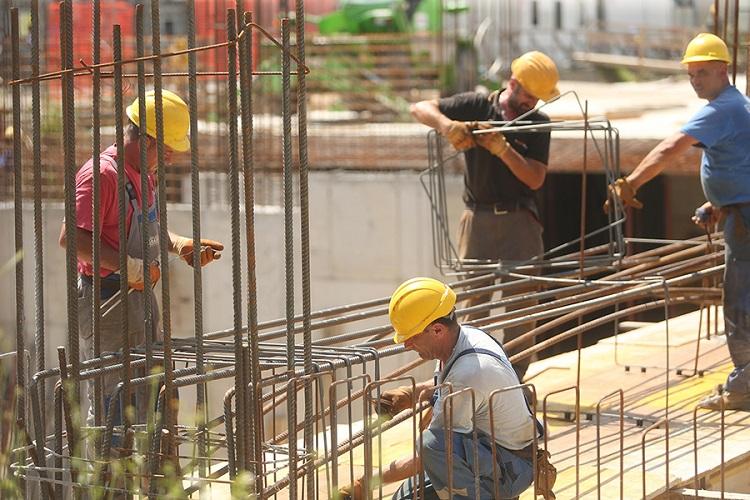
The Labour Market in Bosnia and Herzegovina
The labour market combines traditional industries with a growing number of technology-based and internationally oriented companies. Small and medium-sized enterprises are particularly important, while public institutions and large industrial employers also provide a significant share of formal employment.
According to the Agency for Statistics of Bosnia and Herzegovina, the average monthly net wage in the country was BAM 1,570 in 2025. In June 2026, the reported average reached BAM 1,706. Actual earnings, however, vary greatly according to profession, experience, location and employer.
Specialists in software development, engineering, finance, medicine and senior management can earn considerably more than the national average. Salaries in retail, hospitality, basic administration and certain labour-intensive industries are usually lower.
Candidates should remember that an advertised salary may be presented as either a net or gross amount. Before accepting an offer, it is important to confirm the take-home salary, taxes, social contributions and any additional benefits.
Information Technology and Digital Services
Information technology is one of the most internationally connected areas of the Bosnian economy. Software companies, outsourcing providers and independent development teams serve clients throughout Europe and North America.
Employment opportunities include:
- Software and web development
- Mobile application development
- Quality assurance and software testing
- Cybersecurity
- Cloud and systems administration
- Data analysis
- UI and UX design
- Technical support
- Digital marketing
- Project and product management
Sarajevo, Banja Luka, Mostar and Tuzla are the main technology centres, although remote work allows professionals to live in smaller communities.
English is usually essential for positions involving international customers. Knowledge of German can also be a major advantage because many local companies cooperate with employers and clients from German-speaking markets.
Manufacturing and Engineering
Bosnia and Herzegovina has a long industrial tradition and an established workforce in metal processing, automotive components, machinery, electrical equipment, wood processing and furniture production.
Factories frequently need:
- Mechanical and electrical engineers
- CNC machine operators
- Welders and metalworkers
- Electricians and maintenance technicians
- Production supervisors
- Quality-control specialists
- Logistics coordinators
- Machine operators
- Occupational safety professionals
Industrial employment is particularly important around Sarajevo, Zenica, Tuzla, Tešanj, Gračanica, Gradačac, Goražde, Prijedor, Banja Luka and other established production centres.
Technical education, practical experience and the ability to read plans or operate specialised equipment can significantly improve a candidate’s prospects.
Construction and Skilled Trades
Construction activity creates demand for both engineers and skilled workers. Residential buildings, commercial developments, roads, energy facilities and tourism projects support employment throughout the country.
Commonly requested occupations include:
- Civil engineers
- Architects
- Surveyors
- Site managers
- Electricians
- Plumbers
- Carpenters
- Bricklayers
- Steel fixers
- Heating and air-conditioning technicians
- Heavy-equipment operators
Experienced tradespeople can be difficult for employers to find, partly because many qualified workers have moved abroad. This gives reliable candidates with recognised skills and documented experience a stronger negotiating position.
Construction work can involve travel, seasonal fluctuations and extended working hours. Candidates should therefore clarify transport, accommodation, overtime payments and safety equipment before signing a contract.
Tourism and Hospitality
Bosnia and Herzegovina’s mountains, rivers, historic cities, religious heritage and cultural diversity support an expanding tourism industry.
Sarajevo and Mostar have year-round demand, while ski resorts such as Jahorina, Bjelašnica and Vlašić offer winter employment. Una National Park, Međugorje and rafting destinations generate additional seasonal opportunities.
Typical positions include:
- Hotel receptionists
- Waiters and bartenders
- Chefs and kitchen assistants
- Housekeeping staff
- Tour guides
- Drivers
- Travel consultants
- Event coordinators
- Outdoor activity instructors
- Hotel sales and marketing professionals
Language skills are especially valuable in this sector. In addition to Bosnian, Croatian or Serbian, employers may seek candidates who speak English, German, Italian, Turkish or Arabic.
Seasonal workers should request a written agreement specifying salary, working hours, days off, accommodation, meals and transport.
Healthcare and Social Services
Hospitals, clinics, pharmacies, care facilities and private medical practices need qualified healthcare professionals. Demand can be especially noticeable for experienced doctors, nurses, pharmacists, laboratory technicians, radiology specialists and caregivers.
Healthcare is a regulated field. Candidates educated abroad may need formal recognition of their qualifications, certified translations, professional examinations or registration with the relevant chamber.
Procedures may differ between the Federation of Bosnia and Herzegovina, Republika Srpska and Brčko District. Applicants should contact the relevant educational, healthcare and professional authorities before making relocation plans.
Business Services, Finance and Administration
Sarajevo has the widest selection of jobs in banking, insurance, accounting, consulting, telecommunications and international organisations. Opportunities are also available in Banja Luka, Mostar, Tuzla and other regional centres.
Employers recruit:
- Accountants and auditors
- Financial analysts
- Sales representatives
- Customer-support agents
- Human resources professionals
- Procurement specialists
- Office administrators
- Legal advisers
- Marketing professionals
- Project coordinators
International companies and service centres often value strong English or German skills. Familiarity with accounting software, customer relationship management platforms, data tools and international business standards can provide an additional advantage.
Agriculture and Food Production
Bosnia and Herzegovina has favourable conditions for fruit cultivation, vegetables, livestock farming, dairy production, beekeeping, wine and medicinal plants.
Employment and entrepreneurial opportunities exist in:
- Primary agricultural production
- Food processing
- Packaging and quality control
- Cold storage and distribution
- Veterinary services
- Agricultural technology
- Organic production
- Export and wholesale trade
Herzegovina is known for Mediterranean crops and wine production, while northern and central regions have strong potential in fruit, grain, dairy and meat production.
People with agricultural experience can also explore cooperatives, family businesses and small-scale processing rather than relying exclusively on conventional employment.
Transport, Logistics and Retail
The country’s position between Central Europe, the Adriatic region and the wider Balkans supports transport and distribution activities.
Truck drivers, warehouse employees, dispatchers, customs specialists, mechanics and supply-chain coordinators may find opportunities with domestic and international companies.
Retail remains a major source of employment, especially in cities and shopping centres. Available positions range from sales and warehouse work to purchasing, merchandising, branch management and e-commerce.
Driving and logistics positions may require specific licence categories, professional certificates and knowledge of international transport regulations.
Employment Opportunities by Region
Sarajevo
Sarajevo offers the broadest range of employment, including IT, telecommunications, finance, tourism, public administration, media, education and work with international organisations.
Banja Luka
Banja Luka is an important centre for technology, finance, retail, public services, construction and manufacturing. It also has an active entrepreneurial and start-up community.
Tuzla
Tuzla and the surrounding area offer opportunities in manufacturing, energy, healthcare, education, logistics and food production.
Zenica and Central Bosnia
Zenica has strong links with metalworking, construction and heavy industry. Other Central Bosnian communities provide employment in manufacturing, forestry, furniture production and tourism.
Mostar and Herzegovina
Mostar offers jobs in tourism, hospitality, trade, administration and education. The wider Herzegovina region also has opportunities in agriculture, wine production, construction and renewable energy.
Brčko District and Northern Bosnia
Brčko’s location makes it relevant for logistics, wholesale trade, agriculture and food processing. Other northern communities have important manufacturing and distribution businesses.
Remote Work and Self-Employment
Remote employment has created new possibilities for programmers, designers, translators, accountants, consultants, marketers and customer-support professionals.
The country’s relatively affordable living costs can make it an attractive base for people earning income from international clients. However, remote workers and freelancers still need to understand local rules concerning business registration, taxation, social contributions and residence.
Entrepreneurs can operate through several legal structures, but registration and tax rules are not identical across all parts of the country. Professional accounting and legal advice is recommended before establishing a company or independent activity.
Working in Bosnia and Herzegovina as a Foreigner
Foreign nationals normally need an appropriate legal basis for employment and temporary residence. Depending on the circumstances, this may involve a work permit issued through the competent employment authority and a residence application handled by the Service for Foreigners’ Affairs.
The procedure can depend on the worker’s citizenship, profession, employer and intended place of work. Certain exemptions may apply, but they should never be assumed.
A prospective foreign worker should:
- Obtain a detailed written offer from a registered employer.
- Confirm which authority is responsible for the work permit.
- Ask who will prepare and pay for the required documents.
- Check residence requirements with the Service for Foreigners’ Affairs.
- Verify whether a diploma or professional licence must be recognised.
- Avoid beginning work before the required approvals become valid.
Immigration and employment rules can change. Applicants should confirm the current procedure directly with the competent authorities before travelling or accepting employment.
How to Find a Job
Candidates can search through commercial employment portals, company career pages, LinkedIn, recruitment agencies and the relevant public employment services.
Networking remains important. Professional associations, conferences, job fairs, university career centres and recommendations from former colleagues can reveal opportunities that are not widely advertised.
A strong application should include:
- A concise and clearly structured CV
- Relevant qualifications and certificates
- A summary of technical and language skills
- Measurable professional achievements
- References, when requested
- A portfolio for creative or technical professions
Applications should normally be prepared in Bosnian, Croatian or Serbian unless the vacancy is advertised in English or another language.
Evaluating an Employment Offer
Before accepting a position, candidates should verify:
- The employer’s registered name and address
- Whether the salary is gross or net
- Working hours and overtime rules
- The probation period
- Annual leave and days off
- Social and health insurance registration
- Transport, meals or accommodation
- Contract duration and termination conditions
Job seekers should be cautious if someone requests a large advance payment, refuses to provide a written contract or uses a personal account to collect unexplained recruitment fees.
Building a Successful Career
Formal education remains valuable, but employers increasingly look for practical skills, reliability, communication ability and evidence that a candidate can solve real problems.
Technical certificates, digital skills, foreign languages and continuous training can improve employability. Internships and entry-level positions can also help younger candidates build experience and professional contacts.
The best opportunities often go to applicants who combine specialised knowledge with flexibility and the ability to work with international customers, technologies and standards.
Conclusion
Bosnia and Herzegovina’s labour market presents both opportunities and challenges. Competition remains strong in some administrative professions, while employers in technology, engineering, manufacturing, construction, healthcare and skilled trades can struggle to find suitable candidates.
Sarajevo provides the widest variety of professional jobs, but regional industrial centres and tourism destinations should not be overlooked. Remote work and entrepreneurship further expand the possibilities available to skilled professionals.
Successful job seekers should research the employer, compare salary and living costs, verify the legal requirements and insist on transparent employment conditions. With the right skills and a realistic understanding of the local market, Bosnia and Herzegovina can offer valuable opportunities for employment, professional development and business creation.
Disclaimer: This article provides general information and does not constitute legal, immigration, tax or employment advice. Requirements should be verified with the competent authorities or a qualified professional.